




How To Protect Cannabis Plants Outdoors

- 1. Why protect your plants?
- 2. What do we protect plants from?
- 3. How to protect your plants?
- 3. a. Greenhouse
- 3. b. Companion plants
- 3. c. Beneficial bugs
- 3. d. Wire fence
- 3. e. Diatomaceous earth
- 3. f. Beneficial microbes
- 4. Privacy is key
- 5. In conclusion
There are a lot of benefits to growing cannabis seeds outdoors in 2026, but you need to be careful. Too much rain, wind, or extreme temperatures can affect your plants. If you don’t want to have your harvest affected, you should protect your cannabis plants. Outdoor growers come across a lot of challenges compared to those who grow exclusively indoors. While indoor plants aren’t entirely protected from pests and diseases, outdoor growers are likely to encounter these challenges, alongside excessive rainfall, high winds, frosts, droughts, and heatwaves. Growing outdoors also exposes plants to other threats, including larger animals and even snooping neighbors. However, you shouldn’t let these factors put you off from growing outdoors. Cultivating weed outside also comes with a host of benefits, including natural sunlight, more space, and the ability to grow polycultures that aren’t as suitable indoors. Below, we’re going to walk you through how to protect your outdoor crop in order to ensure the best outcome possible. Let’s dive into it. Are you ready?
1. Why protect your plants?
Even if the weather looks good, things can change quickly, and your plants may get damaged before you notice.
When growing outdoors, our plants are exposed to the environment and, in nature, there are a lot of things that can affect our cannabis plants. Because your plants are exposed, bad weather can seriously affect your plants. Despite being able to check on the internet the expected weather for the next couple of weeks, a storm can come out of nowhere. Too much rain, excessive heat or cold, or frost can make our plants a perfect spot for pests and bugs to appear. Even if you check your plants every day, it’s a good idea to have protection for the days you won’t be home.
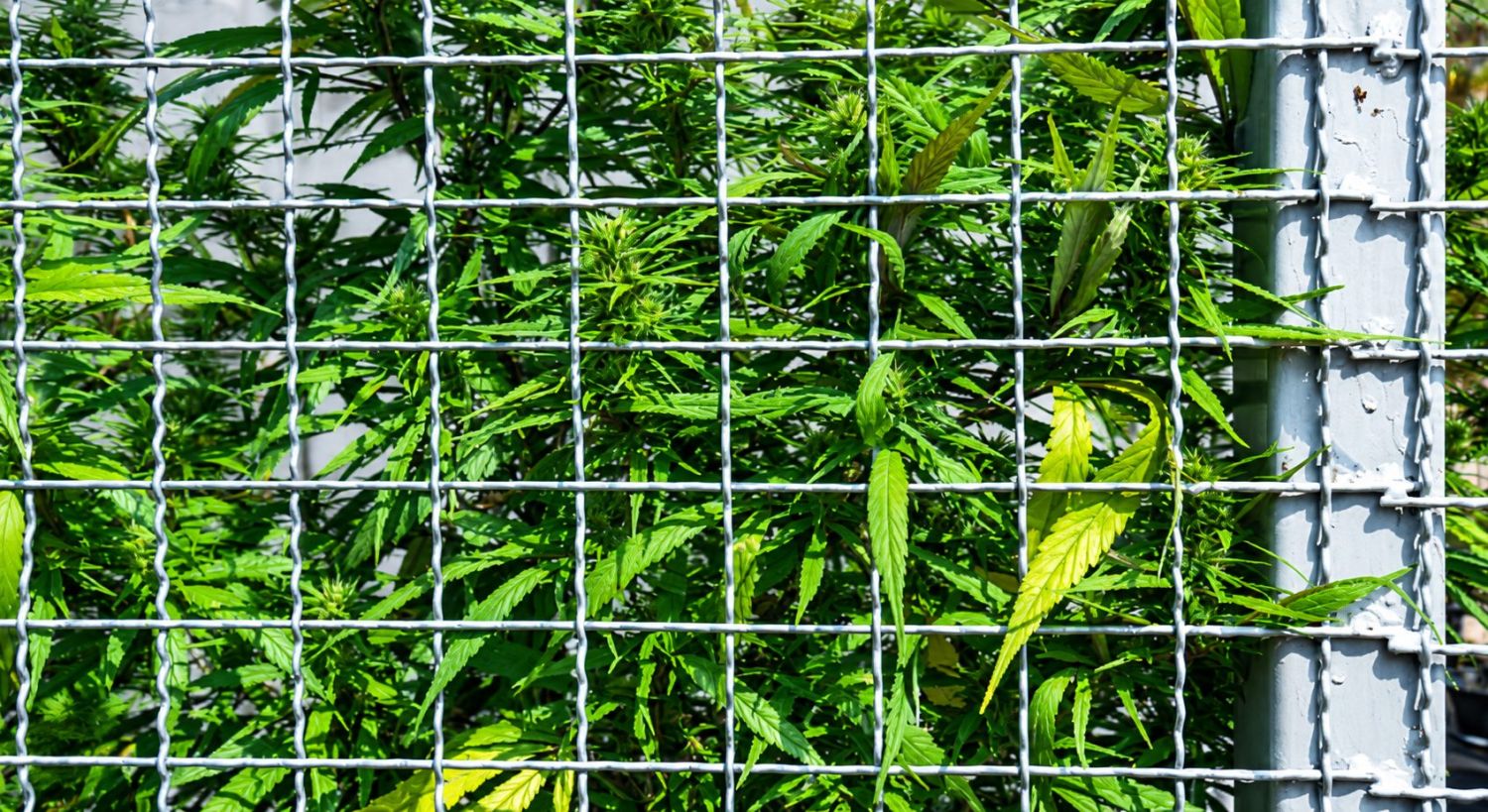
Protecting your plants outdoors is fairly easy. You don’t even need to spend much. With a little bit of work, you can build a small greenhouse to keep your plants safe from bad weather, have companion plants to protect them from pests, or place a wire cage against predators. Remember that your plants can get attacked by bigger animals also, like moles, gophers, cats, and dogs, so having the appropriate protection will save you from worrying at all. Ultimately, the goal of protecting your cannabis plants all comes down to the result. Damage inflicted upon your plants by pests, adverse weather, animals, and disease all impact growth and plant performance. This can slow down growth and, if the damage is bad enough, impact yields at the end of the growing cycle. Therefore, it’s in your interest to do everything you can to protect your plants against such threats. Succeeding in this area, you’ll end up with the biggest harvest possible and the highest quality flowers you can achieve with the genetics you’ve chosen and the environment you’re growing in.
2. What do we protect plants from?
As you may know, cannabis can easily get stressed in bad conditions. If this happens, your plant can slow down growth, start to show signs of stress, or even become a hermaphrodite, and all of these things can affect your harvest.

Keep in mind that these problems can happen at the same time, so you may have to protect your plants from more than one thing. For example, heavy rain followed by warm weather can make it easier for mold to appear. Knowing what usually happens in your area will help you decide what to watch out for.
Plants (not only cannabis) can and will get stressed if they get too cold, too hot, or get parts eaten by bugs or bigger animals, but the most common elements you should protect them from are also:
Heat or cold
Sudden temperature changes can also stress your plants, even if the heat or cold doesn’t last very long. Hot days can dry the soil faster, while cold nights can affect young and weaker plants. It’s a good idea to keep an eye on both daytime and nighttime temperatures.
Wind
A little wind is good, but if your plants are constantly being pushed around they can end up with damaged stems and branches. You should also make sure the branches aren’t rubbing against fences or other objects. If your area gets strong gusts, a sheltered spot can make a big difference.
Rain
Too much rain can also leave the soil soaked for days, making it harder for the roots to get the air they need. If the leaves stay wet for too long, mold can become a problem too. After a heavy storm, check that water isn’t collecting around your plants and that they can dry out properly.
Pests
There are a lot of bugs that feed on cannabis, some of them being easier to eliminate than others, but all will damage your plant. Not only this, but cannabis can also get mold, so keeping your plants safe is a must if you want a successful harvest. But remember, not all pests are visible. Keep in mind that not every bug you find is bad for your plants, so it’s important to know what you’re dealing with first. Look for holes in the leaves, sticky spots or unusual marks, as these can be signs that something is feeding on them. Checking regularly will help you spot a problem before it gets worse.
Also, many growers fall into the trap of thinking that all pests are present above the soil. However, this presumption misses out on the microscopic organisms that live below the soil line. Although many of these minute life forms are beneficial, some of them are classed as pathogens and can do great harm to cannabis plants under the right conditions.
Predators
When growing outdoors, you also have to worry about predators. Animals like gophers, moles, rabbits, or even cats and dogs love to eat cannabis plants, so you should take the appropriate safety measures.
3. How to protect your plants?
There are a lot of ways to protect your plants from these things, and they’re not expensive. They just require a bit of work. Obviously, you don’t need to have all of them, but prevention is essential when growing cannabis. The best way to use these things is to first know what things you think you’ll deal with and then use them in combination. For example, if you know your plants can get attacked by cats and you know the weather will be bad, you can build a greenhouse with a wire fence around to prevent animals from going in.
Greenhouse
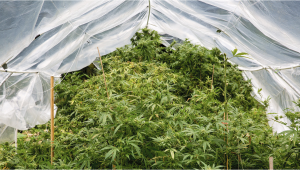
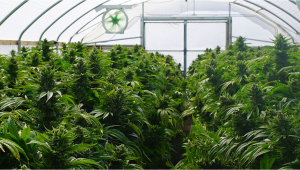
A greenhouse is fairly easy to build. By having a covered structure, you can protect your plants from rain, snow, wind, and harsh weather.

There are several ways to build a greenhouse, and it really doesn’t matter what it’s made of as long as it has the basic structure and it’s sturdy enough. This structure will allow you to cover your plants with a plastic sheet when you need to protect them from cold, rain, or snow, and it also gives you the option to cover them with a shade net for hotter days.
Companion plants
Companion planting basically consists of adding other plants to your cannabis garden. Plants like lavender, basil, and peppermint (and a lot of other plants) produce chemicals that can help keep bugs off.
The strong aroma some of these plants produce will make insects go look for other plants to feed on, although you have to be careful because some plants can spread super fast and can limit the space your cannabis plants have, so it’s better to have them in pots.
Beneficial bugs
Some bugs can attack your plants but others actually protect them, using beneficial bugs like companion plants and it’s a good natural way to get rid of pests.

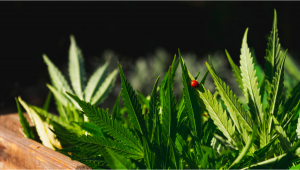
Some insects like the praying mantis, parasitic wasps, or ladybugs can help you keep bad insects away from your plants because they feed on caterpillars, crickets, and other bugs that may attack your crop.
Have in mind that beneficial bugs won’t eliminate a bug infestation if it already started, but they are a way to prevent an infestation because they will get rid of those bugs before they start to reproduce.
Wire fence
A wire fence is used to protect plants from bigger animals. Cats, dogs, and rabbits (among others) can eat your plants. A lot of animals are attracted to cannabis plants, and because of their size, they can kill your plant quite fast, so it’s essential to have a wire fence or wire cage around your plant and also underground, protecting the roots from animals that you can’t see, like gophers and moles.
Diatomaceous Earth
Diatomaceous earth (also sometimes referred to as kieselgur/kieselguhr) is a naturally occurring sedimentary rock that presents as a fine white powder. It consists almost entirely of diatoms, which are the fossilized remains of tiny marine organisms. When added to the soil mix, it offers a range of benefits - water retention, nutrient uptake, and pest control being the main three.

The fine, abrasive nature of diatomaceous earth makes it a great insecticide-free option. It works by slowly stripping away the exoskeleton of the pests, resulting in the bugs dehydrating and slowly dying. As it is chemical-free, the insects can not build any natural immunity as they sometimes do to chemical pesticides. There are 2 grades of diatomaceous earth - food and filter grade. It is also sourced from both freshwater and saltwater quarries. Make sure to buy freshwater, food-grade diatomaceous earth for use with any gardening. This organic pesticide has been proven to be effective against a range of insects such as :
- Spider mites
- Fungus gnats
- Earwigs
- Cockroaches
- Ants
- Aphids
- Snails
- Slugs
- Etc.
It is very budget-friendly and easy to use, so really everyone should be adding diatomaceous earth to every soil mix. Even though these tips are super effective and will surely prevent a lot of problems, remember it’s essential to check on your plants every day and make sure they’re fine. Some things can kill a plant really quickly, so checking on them every day is the best way to prevent problems. Keep in mind that diatomaceous earth works best when it’s dry, so rain or watering can make it less effective.
Beneficial Microbes
You can’t see the fungal pathogens that reside in the soil. To fight them, you need to get on their level. As a cannabis grower, you have a range of beneficial microbes at your disposal when it comes to waging this invisible war. Mycorrhizal fungi are one of the greatest allies when it comes to defending your plants against root disease. These species fuse with plant roots and act as symbionts. As well as giving plants nutrients and water in return for sugars, they help to fight off disease-causing microbes. Trichoderma species are also great at helping to fight off pathogenic fungi. You can inoculate plant roots with these microbes during transplanting in the seedling stage to protect them later on in the growing cycle.
4. Privacy is Key
Apart from keeping your plants out of sight, you should also think about keeping your growing area secure. This can help prevent unwanted visitors, theft, or damage to your equipment.
You can take all the precautions in the world to help ensure your plants don't suffer from infestation issues, problems brought on by inclement weather, and damage caused by wild animals - but if you don't keep your grow private and secure, all this hard work may be for absolutely nothing.
We all remember the movie “Fight Club,” right? If you haven't seen the film, it's about a secretive underground fight club that has a few rules. The first and second rules are: ” You do not talk about Fight Club”. That's exactly how you should approach cannabis cultivation. Of course, this is more important in places where the prohibition of cannabis hasn't yet been repealed or overturned, but even in legal areas, it is always recommended to keep your mouth firmly shut about any grow op you work on.
Police and law enforcement will always be an issue, but they're not the only thing you have to worry about. “Rippers” or weed thieves are constantly on the lookout for unsecured grows to raid, and this has become a huge problem in certain legal states. If everyone and their grandmothers are growing huge, sticky bushes of the good good in their own backyards, it makes finding and stealing cannabis grows super easy. So, remember to be very selective about exactly who you share info with, and keep that sharing to an absolute bare minimum.
5. In conclusion
Growing outdoors has a lot of benefits, but there are basic safety measures we should have so we don’t risk ending up without a harvest. Depending on your growing space, you can use some of these methods in combination to make sure your plants are safe at all times. If you grow outdoors and have more tips to help outdoor growers, please leave us a comment below!
FAQ
A greenhouse isn't always necessary, but it can be useful in areas with unpredictable weather. It provides extra protection from rain, wind, and cold temperatures while still allowing plants to receive natural sunlight. However, greenhouses need proper ventilation because excessive heat and humidity can create additional problems.
Common signs include yellowing leaves, small holes, unusual spots, sticky residue, and tiny insects crawling around the plant. You may also notice damaged leaves or fine webbing in some cases. Because certain pests are difficult to see, it's a good idea to inspect your plants closely rather than waiting for obvious damage.
Yes, companion plants such as lavender, basil, and peppermint are often used in outdoor gardens because their strong aromas may discourage certain insects. They can also attract pollinators and beneficial insects. However, companion planting isn't a guaranteed solution, so it works best as part of a broader approach to garden protection.
Ladybugs, lacewings, and certain parasitic wasps are examples of beneficial insects that feed on common garden pests. Encouraging these insects can help maintain a more balanced outdoor environment. Keep in mind that beneficial insects won't necessarily eliminate a large infestation, but they can help reduce pest populations naturally.
Animals such as rabbits, cats, dogs, and rodents can damage plants by digging around them, chewing leaves, or disturbing the soil. A wire fence or protective cage can provide a physical barrier. Depending on the animals in your area, underground barriers may also be useful for protecting roots from burrowing animals.
Mold is more likely to develop when humidity stays high and air circulation is poor. Avoiding overcrowded growing spaces, improving ventilation, and protecting plants from prolonged rainfall can help reduce the risk.
Good drainage prevents excess water from accumulating around the roots. When soil remains saturated for too long, roots may struggle to obtain enough oxygen, increasing the risk of root diseases. Well-draining soil and containers with drainage holes can help prevent waterlogging, especially during periods of heavy rainfall.
It's a good idea to inspect outdoor plants every day, especially during periods of extreme weather or increased pest activity. Look for changes in leaf color, insect damage, broken branches, and unusual growth.
In many cases, plants can recover from mild damage caused by wind, rain, or temperature changes. However, recovery depends on how severe the damage is and whether the growing conditions improve.
Privacy can help reduce unwanted attention, theft, and accidental damage from people entering the growing area, even in places where cannabis cultivation is permitted.

Comments