




Ultimate Guide on Why and How to use a pH Pen


- 1. Ways to measure ph
- 2. Ppm vs tds vs ph meter
- 3. Why use a ph pen?
- 4. When to measure ph?
- 5. How to use a ph meter step-by-step
- 5. a. Step 1: calibration
- 5. b. Step 2: measuring ph
- 5. c. Step 3: cleaning and storing
- 6. Cleaning and calibrating your ph pen
- 6. a. Ph pen maintenance
- 6. b. When to calibrate your ph pen
- 7. In conclusion
Anyone who starts growing cannabis seeds has to go through a learning process before getting comfortable and starting to grow high-grade buds. It doesn’t matter if you’re growing in soil, coco, or hydro. Measuring and adjusting the pH is a must for everyone who wants to step up their cultivation game. If you're new to cannabis growing and want to grow top-shelf flowers, measuring the pH is a must. When you first start out growing weed, you know that you have to take care of certain variables if you want your plants to survive and perform well. These, of course, include lighting, watering, and nutrition. However, the better you become at your craft, the more you’ll realize there are many other ways to make sure your plants are growing within an optimal environment geared toward peak productivity and potency.
Among these, you’ll discover that pH plays an important role in soil (and water, if you’re growing hydro) dynamics. The level of pH within your growing medium is important for numerous reasons. Firstly, different plants thrive at different pH zones, so getting it right with cannabis will obviously result in better outcomes. Plus, pH plays a role in nutrient absorption. When too high or low, it can prevent nutrients from getting into plants in the first place, causing a big drop in productivity.
With so many different options available, one thing worth remembering in 2026 is that a pH reading is only as useful as the meter behind it. Even a fancy-looking pen can give you misleading numbers if the probe is dirty, the calibration is old, or the storage cap has dried out. A few minutes of basic maintenance can save you a lot of head-scratching later.
1. Ways to measure pH
When looking for a way to measure pH, you may find two types of equipment: pH strips and pH pens (pH meter or pH tester). PH strips are pieces of paper that change color depending on the acidity or alkalinity of your solution. These papers are a cheap and effective way to measure pH, but when growing cannabis, you need to be more precise.

PH pens do exactly the same as pH strips but are way more precise. While pH pens give you a wide pH range (for example, 6.0-7.0), a good pH pen will give you a precise measurement ( with +/- 0.1 accuracy). This means that if your pH pen measures 5.85, it could be 5.75 or 5.95, but luckily, 0.1 won’t make a difference when growing cannabis.
There are also liquid indicator kits, which work by changing the color of a small water sample. They're handy as a backup when your pen's battery dies, but the color matching can be subjective, especially under tinted lighting.
2. PPM vs TDS vs pH meter
If you’re just getting into measuring the quality of your water source, you might be confused by all these letters. Even though all of them are used when growing cannabis, they are different things.
- pH pen
A pH pen is used to measure the acidity or alkalinity of a certain liquid solution.
- TDS meter
A TDS meter is the same thing as a PPM meter; this tool measures the amount of dissolved solids in parts per million.

- PPM meter
A PPM meter is another name given to a TDS meter. It also measures the stuff dissolved in your solution in PPM.
- EC meter
An EC meter is another way to measure TDS and PPM. It’s like comparing the metric and imperial systems; you’ll get the same info but presented in a different way. So, to make it simple, pH measures how acidic or basic a solution is, TDS and PPM measure how much stuff is in your solution, and EC is another way to measure TDS and PPM but is not used as much when growing cannabis.
One detail that trips people up is that PPM isn't a single universal reading. Different meters can convert the same EC measurement using different factors, so two devices may show different PPM values for the very same sample. If you're comparing results, note the conversion scale or compare EC readings directly. And remember: none of these tools can tell you exactly which individual minerals are dissolved in the water.
3. Why use a pH pen?
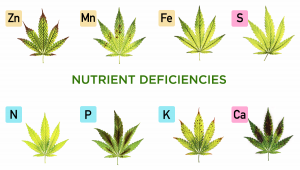
As you may know, plants need nitrogen, phosphorus, and potassium, which are macronutrients, and micronutrients such as calcium, magnesium, iron, and copper, among others, to grow properly. If your plants can’t absorb them, they will start showing signs of deficiencies. The reason why measuring pH is so important is because even if the nutrients are available, cannabis plants depend on certain pH levels to properly absorb minerals and other important elements.
4. When to measure pH?
A pH pen is a great way to take your harvests to the next level, but it’s not always necessary. Depending on the medium and type of nutrients you’re using, you can get away without using one.
Growing in soil
If you’re growing in organic soil, you probably won’t need a pH pen because (when done properly) the microorganisms will do the job for you. Now, if you are using synthetic nutrients or feeding organic throughout the growing cycle, you might need to check the pH a couple of times. This will ensure that the soil’s pH is good for the microorganisms to live in.

To measure your soil’s pH, you will need a different type of pH pen. This soil tester works just like pH pens, but instead of using it in a liquid solution, you’ll have to stick it in the soil to read its pH.
Hydroponics
When growing in hydro, the roots are directly exposed to the feeding solution so measuring the pH is a must when growing in this type of setup.
| Acceptable pH for different mediums | |
|---|---|
| Medium | pH range |
| Soil | 6.0-7.0 |
| Hydro and soilless (like coco or clay pellets) | 5.5-6.5 |
The water’s pH can change much quicker than in other mediums, so a pH meter allows you to anticipate changes and avoid problems before anything bad happens.
Coco fiber/perlite mixes
A pH meter isn’t necessary to measure the pH of the medium when growing in coco because it’s a sterile medium, although you should measure the pH of the solution coming in.

Measuring the pH in this type of medium is only necessary for growers who are trying to find the sweet spot for the specific nutrients they’re using or solve a problem related to pH.
5. How to use a pH meter step-by-step
Using a pH pen basically consists of three steps: calibration, measuring, and storing. Even though it might seem complicated, it’s actually pretty simple. You just have to make sure you do it properly.
Step 1: Calibration
Calibrating your pH meter is the most important part of owning a pH meter. To make sure it’s measuring accurately, you will need a pH solution that you can easily find in most grow shops.

PH solutions are usually found with a pH of 4.01 and 7.01, so if your meter is in a pH solution and it’s showing a different level, you’ll have to calibrate it, and depending on your pH pen, there are two ways.
Remember that fresh buffer solution is important. Pour out only what you need into a clean cup and avoid dipping a used probe into the original bottle. Once a small portion has been used, discard it rather than pouring it back. This helps protect the remaining buffer from contamination and keeps future calibration checks more trustworthy.
Manual calibration
- Check the manual
First of all, read the manual and check if you’ll need to calibrate your pH pen manually or automatically, and how to do it.
- Pour the pH solution
Pour a bit of 4.01 solution into a clean container so it doesn’t get contaminated.
- Test the solution
Turn your pH meter on and place the tip in the solution. If the reading is anything other than 4.01, manually turn the dial or press the buttons until it reads 4.01.
- Clean and repeat
Carefully clean the tip with a paper towel and repeat step 2 with a 7.01 solution.
- Calibrate every 7 days
Repeat this process every week to ensure your pH meter is working properly.

Automatic calibration
- Check the manual
Every brand has its meters set up differently so you should check the manual to see which sequence of buttons to press.
- Measure the pH solution
Just like when calibrating manually, you will have to dip your pH pen in both 4.01 and 7.01 pH solutions. Make sure you use different containers to avoid contamination and to be able to use the solutions again.
- Calibrate every 7 days
Repeat this process every week to ensure your pH meter is working properly.

Step 2: Measuring pH
This is when you get to use your pH meter. Remember that not all pens are waterproof, so you have to be careful to only get the tip wet.

- Turn it on
First, you have to take the cap off and turn your pH meter on.
- Place it in the solution
Place the tip of the meter in the liquid solution you want to test and leave it until it gives you an exact reading. Have in mind that some testers never stop at a single number but as long as it’s not oscillating more than 0.02, you can stop measuring. You can also move the pen lightly to speed up the measuring process. Just remember that not all pens are waterproof, so make sure you don’t get your pH meter wet.
If the reading keeps drifting, check for air bubbles, probe residue, insufficient immersion, or a worn-out electrode. Gently move the probe, let the reading settle, and test it in a calibration buffer if needed.
Step 3: Cleaning and storing
Once you’ve finished measuring, it’s now time to clean and store your pH pen. Remember that the electrode (the part that measures the pH) should never be dry!
- Clean it
Use a small amount of cleaning solution to rinse off the electrode. You can also use distilled water if you don’t have a cleaning solution available.

- Keep the electrode wet
As said above, the electrode should never be kept dry because dryness breaks them so you can keep your pH pen in a glass cup with a little bit of solution storage in it or simply put a small amount of storage solution in the cap, just make sure the solution completely covers the electrode.
Distilled water can be used for cleaning and storing but using the proper solutions will do a better job and ensure your pH pen lasts longer.
- Turn it off
Remember to turn off your pH pen. This tool uses watch batteries, and despite them not being super expensive, it’s better to make sure you turn it off so the batteries last longer.
Important: rinsing and storing are two different jobs. Distilled or deionized water is often suitable for a quick rinse, but most conventional glass-electrode pH pens should not be stored in it. Long-term storage usually calls for the manufacturer's electrode storage solution.

6. Cleaning and Calibrating your pH pen
As mentioned throughout the blog, for your pH pen to work properly, you should calibrate it and keep it in the right conditions, so here’s all you need to know to keep your pH pen in top shape.
PH Pen Maintenance
By taking good care of your pH pen, you’re extending its lifetime and ensuring it’s measuring the pH of the nutrient solution as accurately as possible. The prob at the tip of the pH pen is the most important part of the pH pen, as it’s the part that measures the pH, and it’s very fragile, so here are a couple of tips to help you take care of your pH pen.
Do not touch the probe
Do not touch the probe with your bare hands, as this can damage the probe and will cause the pH meter to read inaccurately. If needed, make sure to use tissues to handle the probe.
Rinse after use
Rinse the probe with demineralized water after every use. This is extremely important to clean the nutrient solution off the probe.
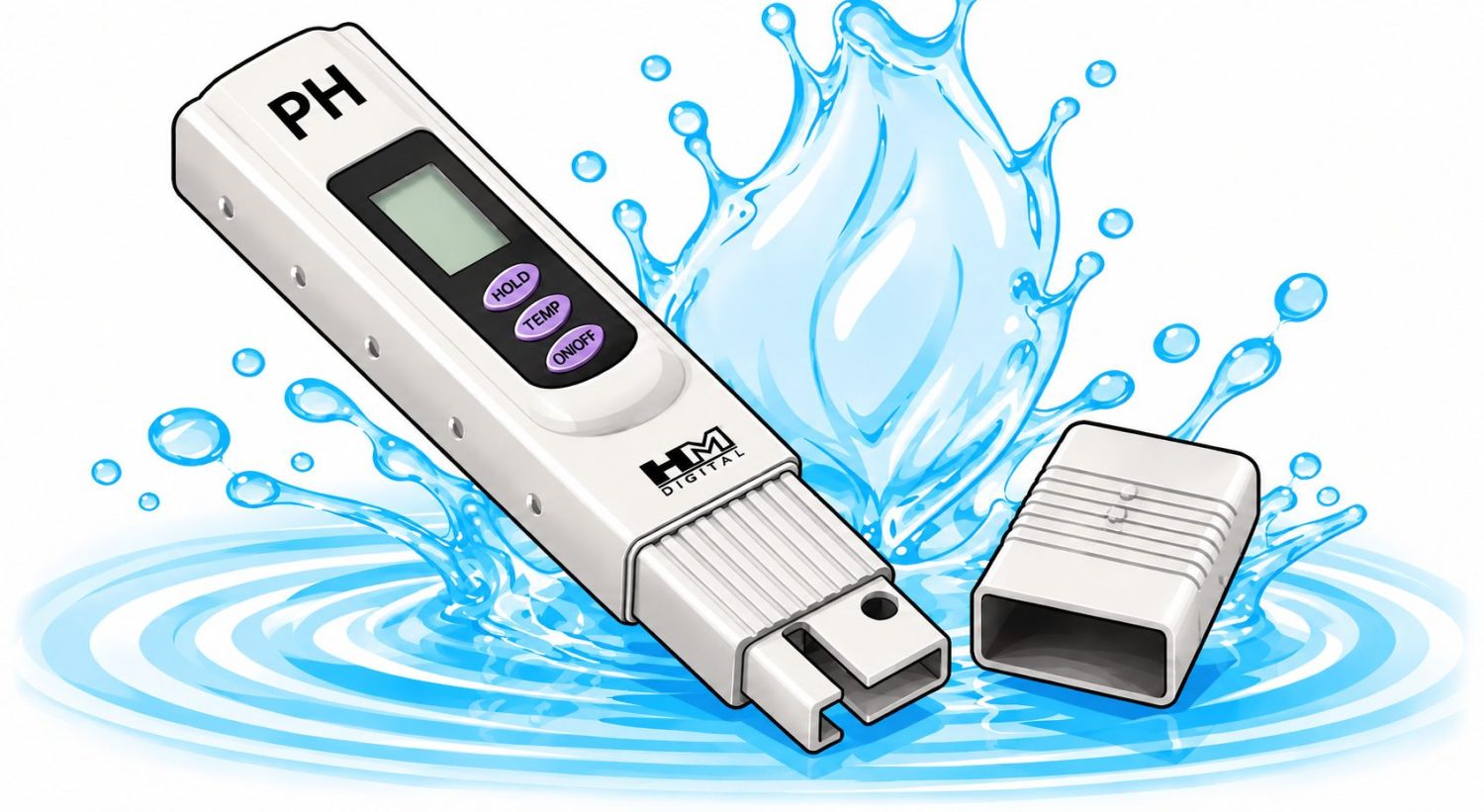
This will remove the nutrient residue, thus reducing the chances of damaging your pH pen.
Store properly
Always store the pH pen with the right solution in the cap, as this prevents contaminants from drying on the probe. Remember to never use demineralized or tap water for this.
Clean the probe
You should keep the probe clean at all times. To do so, make sure to follow the manufacturer’s instructions and use the cleaning kit you received along with your pH pen.
Calibrate your pH pen
Apart from everything mentioned above, you also have to make sure your pH pen is properly calibrated. You should always measure the pH of the calibration solutions that come with the pH pen, and if the pH comes off, it’s a sign that it’s time to calibrate it.
Another useful tip is to pay attention to how quickly your pen responds. A probe that used to settle in seconds but now takes much longer may need cleaning, reconditioning, or replacement. Some newer models have replaceable probes, which can be more economical than throwing away the entire meter when the sensor reaches the end of its life.
When to Calibrate Your pH Pen
Before learning how to calibrate your pH pen, you must know when you should calibrate it. So here are a couple of situations in which you should calibrate your pH pen:
- 30 days after the last calibration, when the ‘calibrate’ icon appears on the screen.
- The pH measurement is different from expected.
- After maintenance (cleaning, for example)
- After changing the batteries.
7. In conclusion
Even though it might seem complicated and a bit expensive, a pH pen is one of the most important steps to take your harvests to the next level. Have in mind that you can still grow good buds without one but measuring the pH can be the difference between growing good and great cannabis. If you’re an experienced grower and are having better results with a pH pen, feel free to help fellow growers. Leave a comment in the comment section below!
External References:
- pH, Temperature, and Light. - Pomeroy, Kimball & Reed, Michael. (2020).
- pH and Ions. - Welzel, Julia. (2020).
- Effect of pH and electrolytes on charge distribution in soils and relationship between pH, CEC and SAR. - Murtaza, Dr. Ghulam. (2020).
FAQ
Yes, especially when accuracy matters. While pH strips give you a rough idea, a good pH pen provides a more precise reading, making it easier to spot small changes.
It depends on how often you use it. Weekly calibration is a good starting point for regular users, but always follow the manufacturer's recommendations.
You can use tap water for a quick initial rinse if necessary, but distilled or deionized water is better for the final rinse. Just don't use either for long-term storage.
With proper care, a decent pH pen can last several years, although its electrode may wear out sooner. Regular cleaning and correct storage make a big difference.
A dirty, dry, or aging electrode is often the culprit. Low-conductivity liquids can also take longer to measure, so give the reading some time to stabilize.
Absolutely! Temperature can affect both the sample's pH and the electrode's response. That's why some modern pH pens come with automatic temperature compensation (ATC).
Not always. Standard pH pens are designed for liquids, while measuring soil directly usually requires a specialized probe. Some meters can test prepared soil-water samples, though.
It's better not to reuse solutions that have already been poured out for testing. Even small amounts of contamination can affect their pH and throw off your calibration.
If your pen takes forever to stabilize, won't calibrate, or keeps giving strange readings even after cleaning, the electrode may be reaching the end of its life.
Probably neglecting calibration and storage. Even the best pH pen won't give reliable results if the electrode is dirty, dried out, or hasn't been calibrated in ages.


Comments