










Creating new autoflowers hybrids
- 1. New f1 hybrids: cycle start
New F1 Hybrids: Cycle Start
Beginning of the Project
We have started the development of 11 new hybrid strains, and this will be a long-term project. Each of these crosses represents a new direction that requires careful work, observation, and strict selection.
At this stage, nothing is rushed. The goal is not just to create new combinations, but to fully understand how they behave, how stable they are, and whether they meet our standards over the entire cycle.
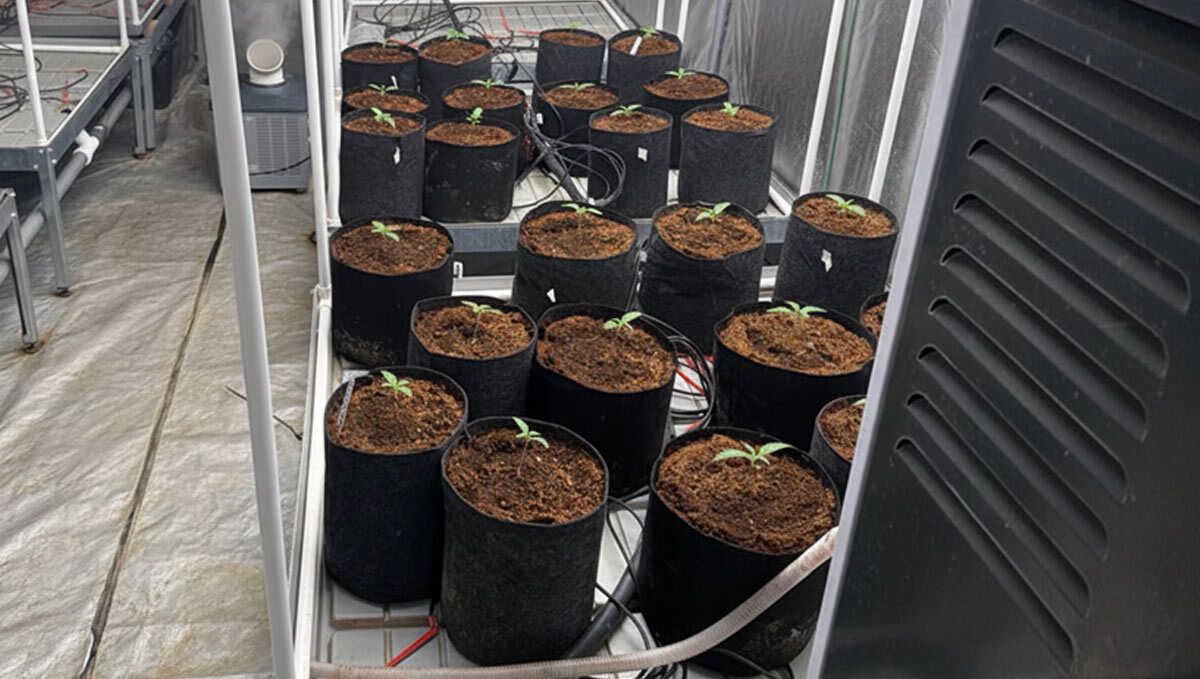
As always, we begin with the fathers. We plant more than needed at the start, knowing that in the end only one male will remain to cover the entire space. This approach allows us to compare multiple candidates and select the strongest, most stable, and most suitable individual for the job.
Introducing the Mothers
Next, we move into planting the mothers into coco. At this stage, the mothers are placed in the same environment as the fathers, where they begin their development together.
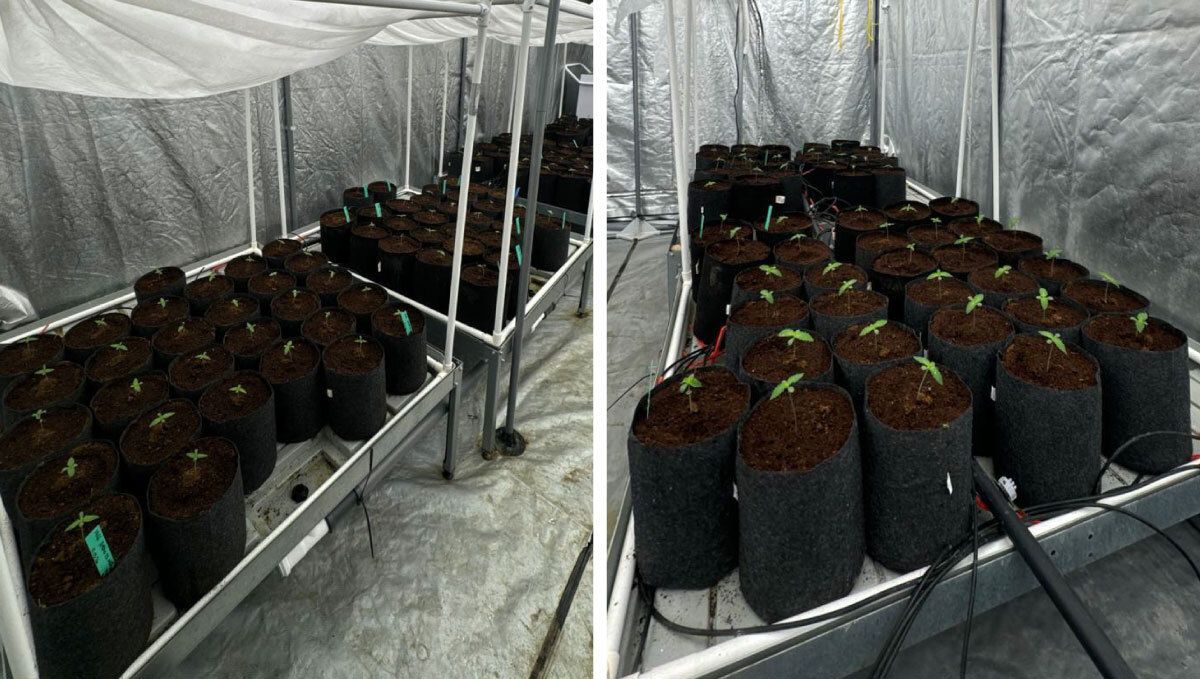
The plants are growing steadily, building structure, and adapting to the conditions. This phase is all about establishing balance between both sides of the cycle and ensuring proper synchronization for the stages ahead.
Early Growth and Structure
We take a close look at how the plants develop in the first few days after transplant, and then compare that to their condition one week later.
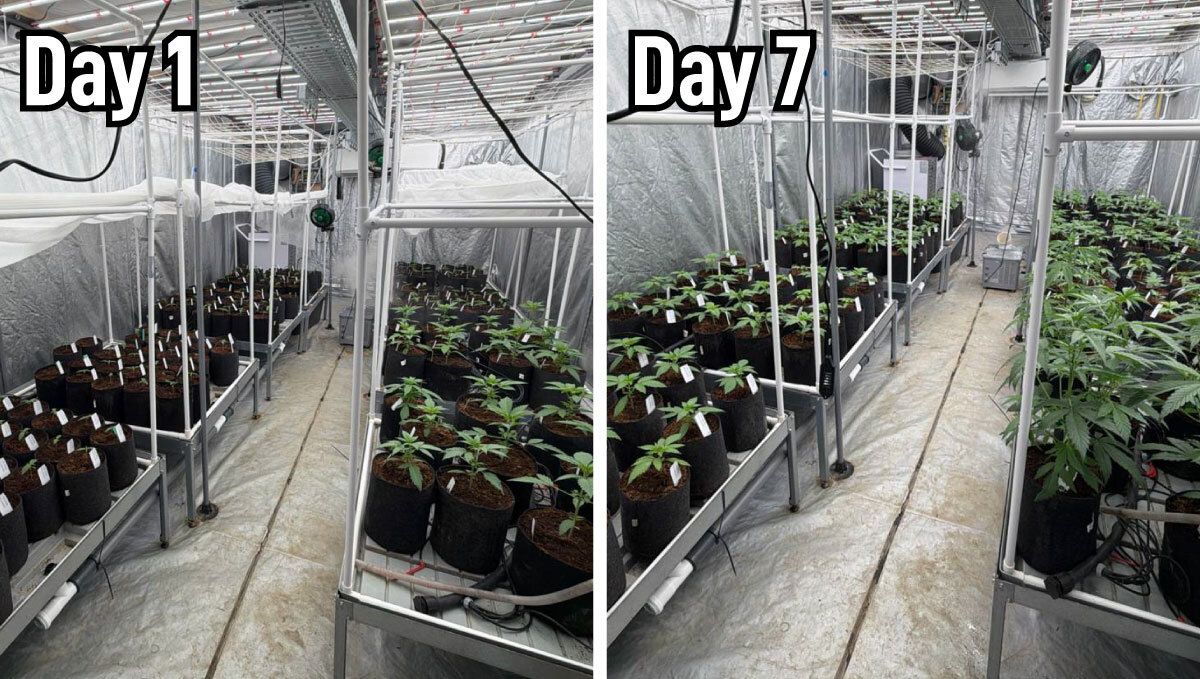
The differences are clearly visible. Plants are gaining structure, strengthening their stems, and showing consistent development across the population. Structural stability at this stage is a strong indicator that the cycle is progressing in the right direction.
Reversal Progress
While the plants are actively growing and moving toward pre-flower, the fathers have already undergone several STS applications and have successfully entered the reversal phase.
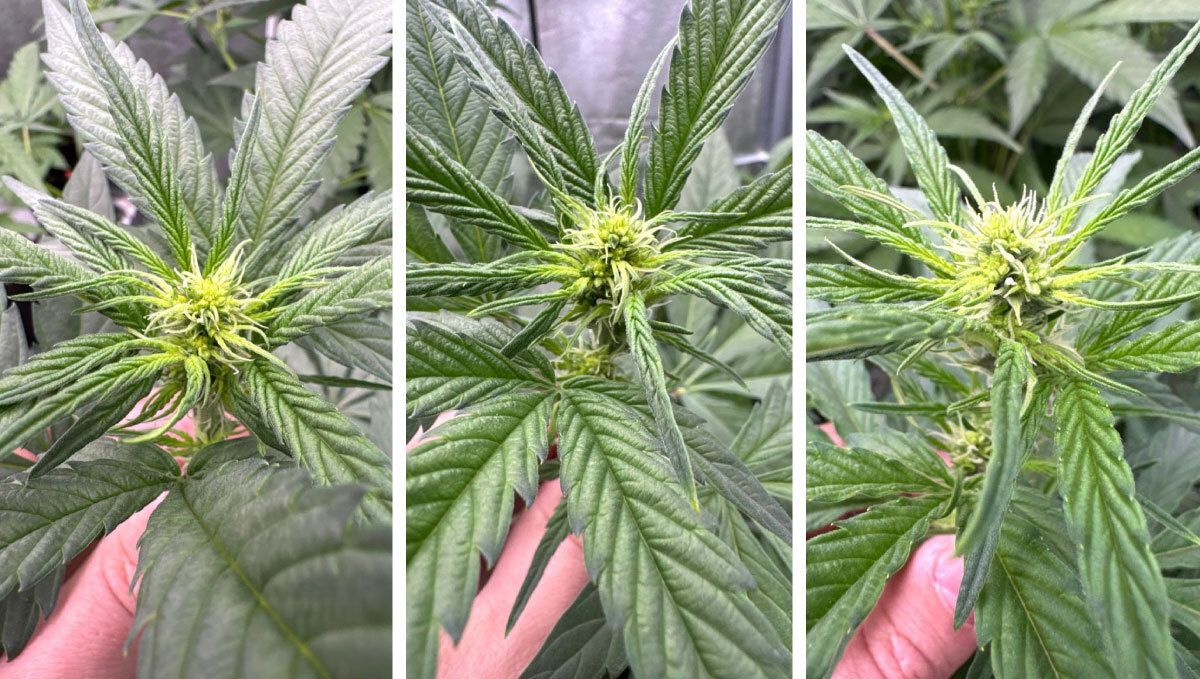
This ensures that by the time the mothers are ready, the male expression will be fully developed and capable of delivering pollen at the right moment. Timing here is critical, and everything is aligned to prepare for the next key phase.
Pre-Pollination Defoliation
Before pollination, we move into defoliation. This step is extremely important, as it directly affects the efficiency of the pollination process.
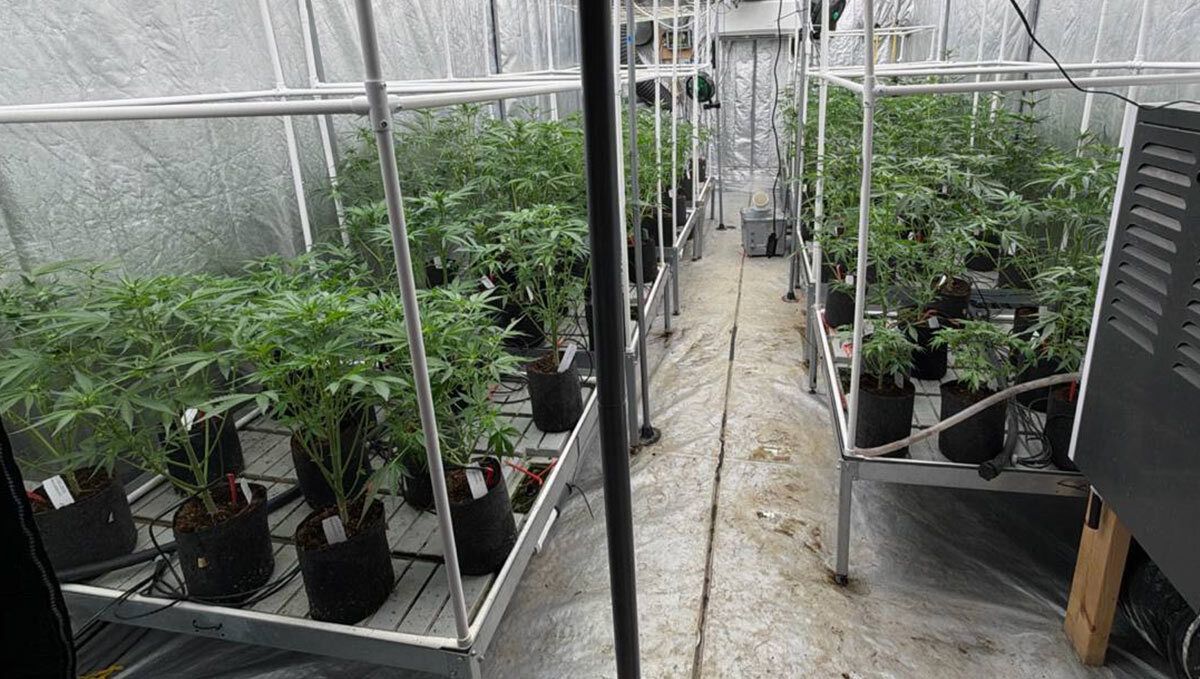
The main goal is to hit the timing correctly and ensure that all stigmas are accessible, especially the lower ones. Since we are working with only one selected father, it is essential to maximize pollen distribution across the entire population.
We remove the lower skirts and large fan leaves to open up the structure of the plants. This allows better airflow, improved light penetration, and most importantly, full exposure of all pollination sites.
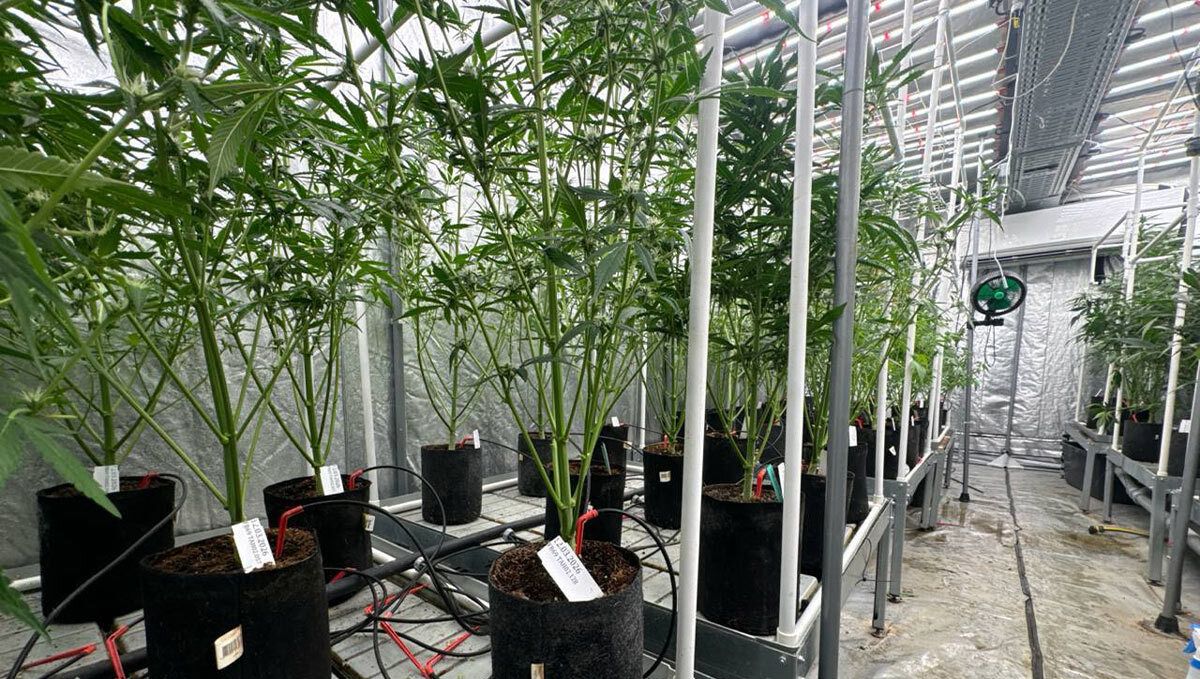
This preparation stage sets the foundation for an effective and uniform pollination process in the next phase.
Polination
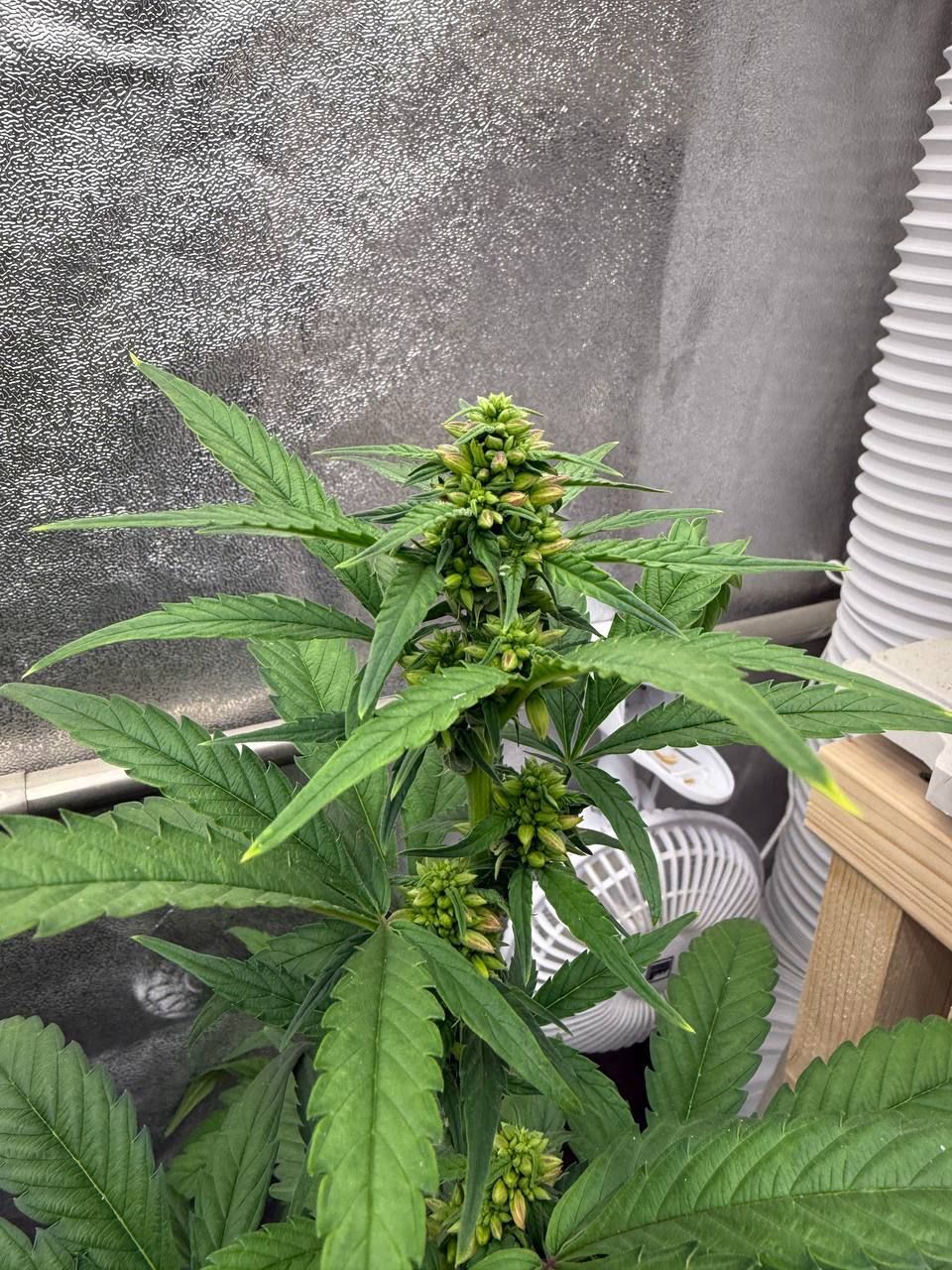
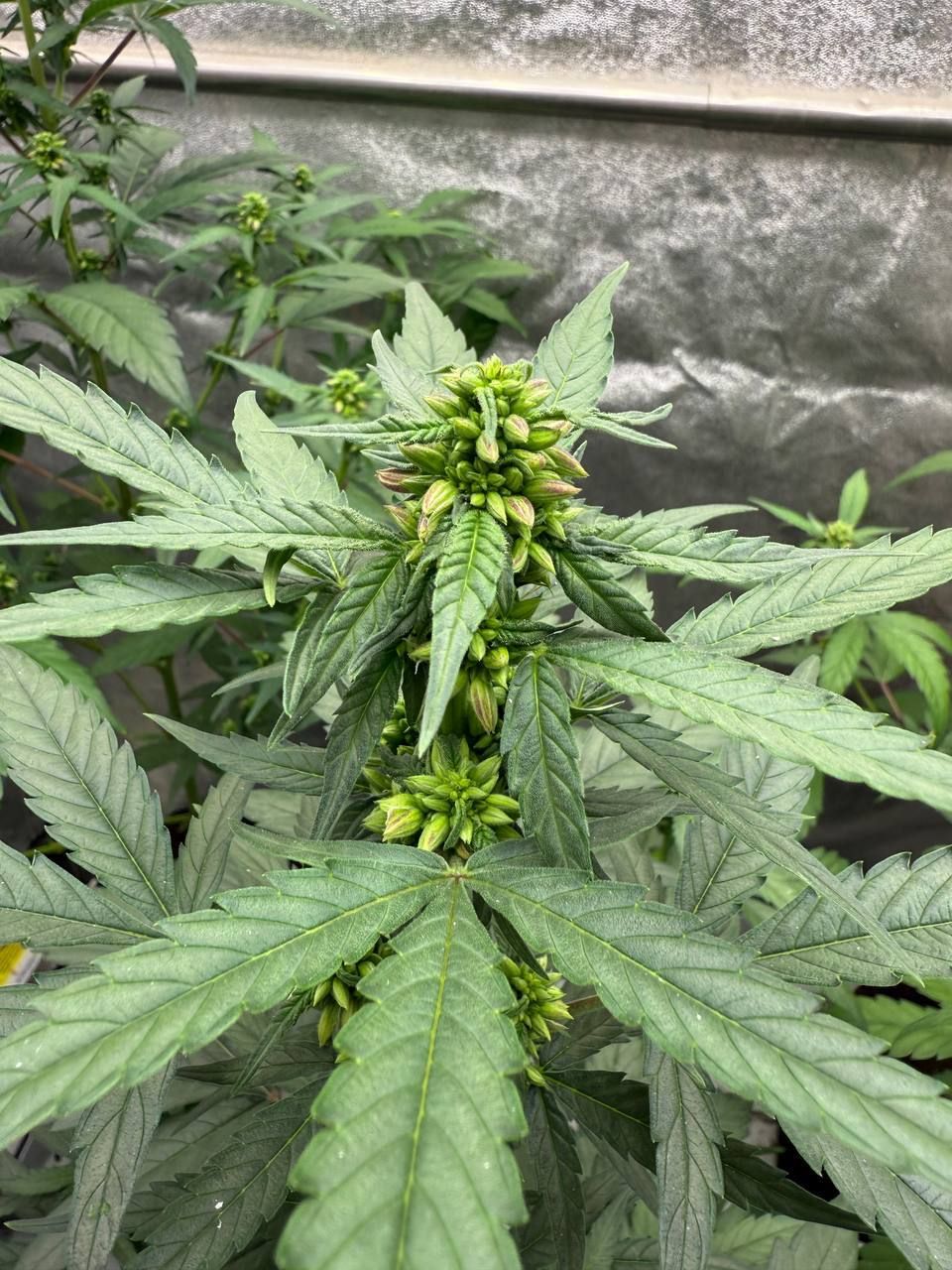
By the time the mothers are ready for pollination, they have already been fully defoliated, with excess foliage removed, organized by cultivar, and carefully selected during the pre-pollination screening process.
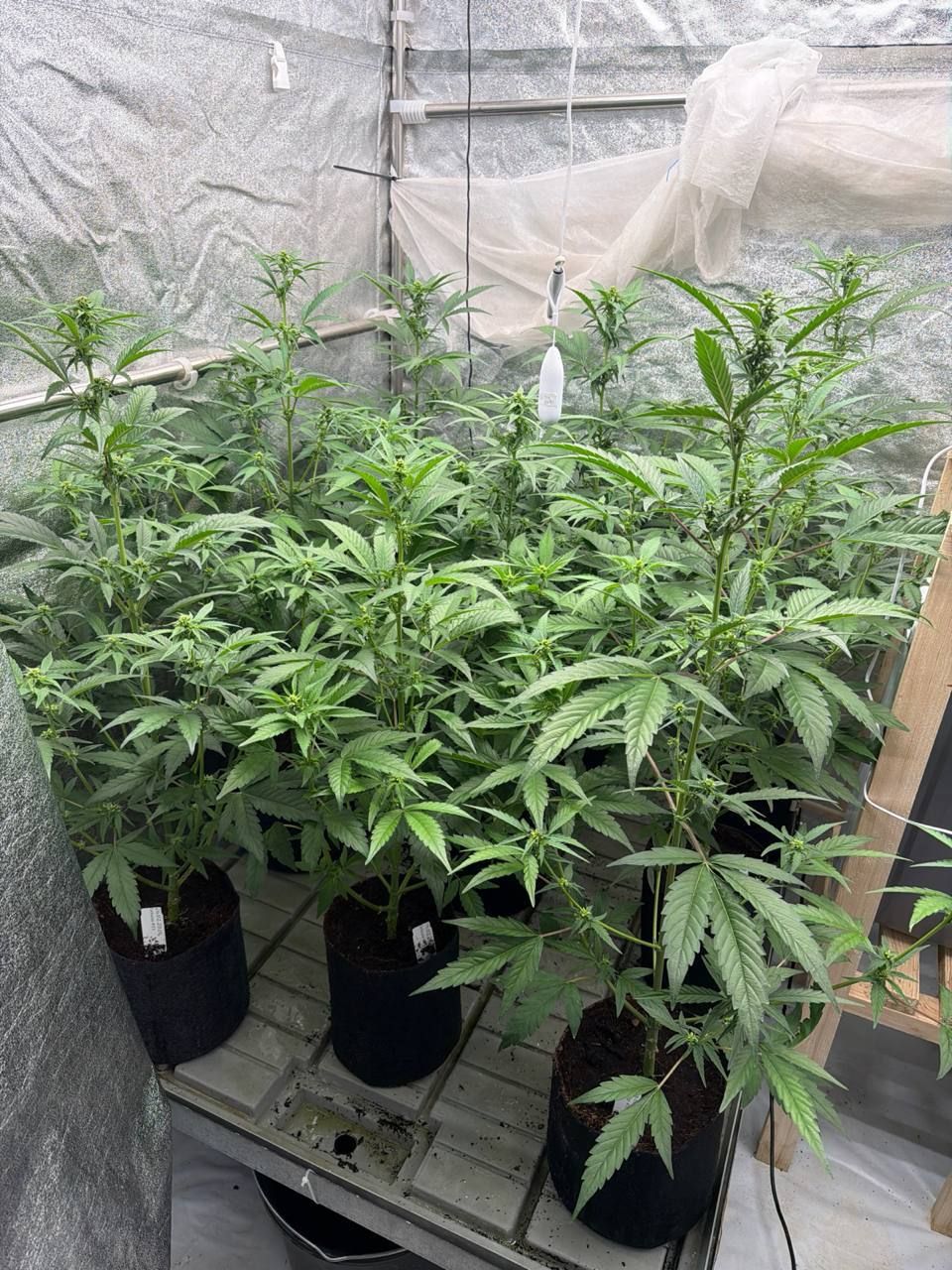
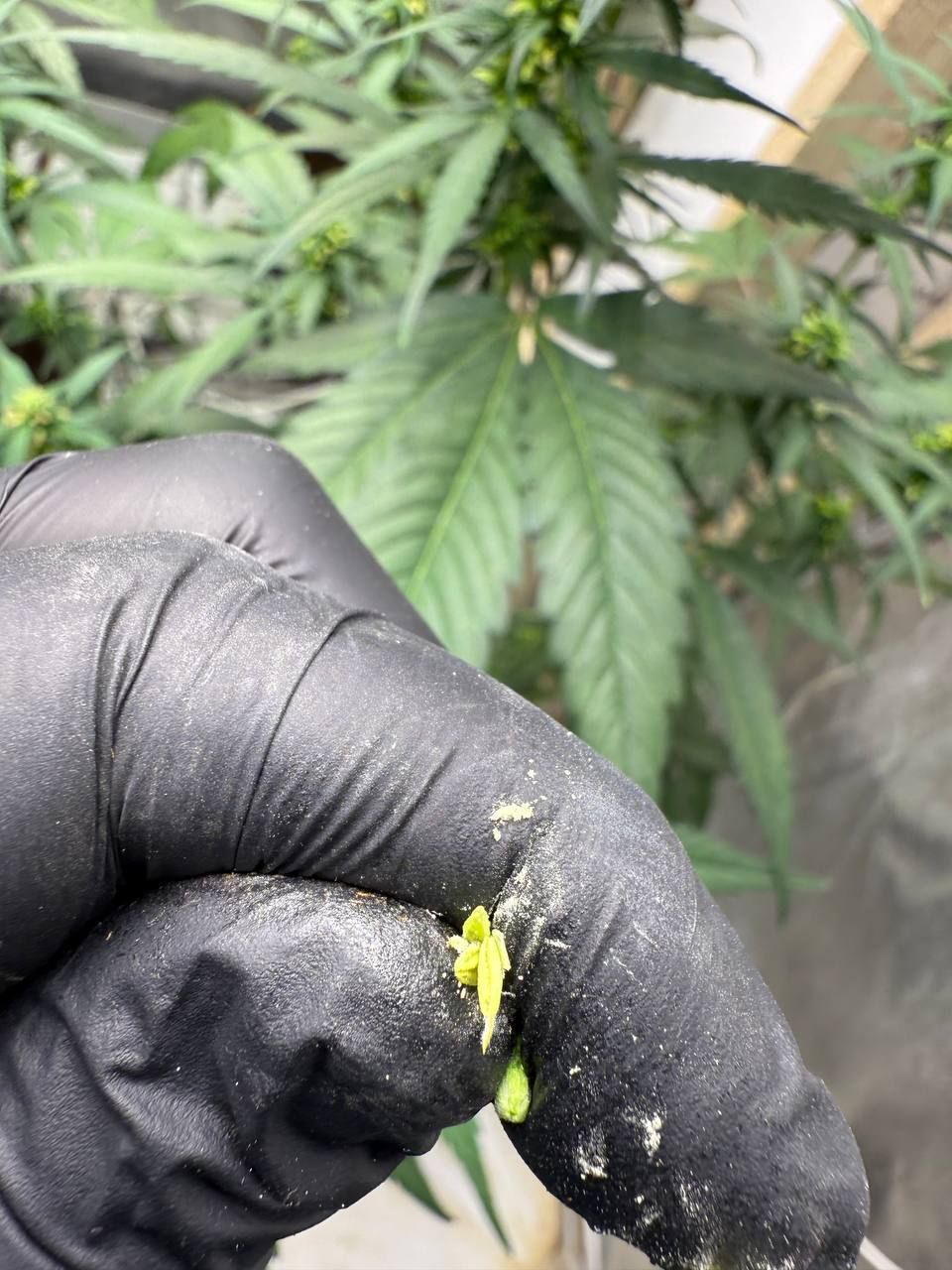
At the same time, the selected males for this cross have already begun producing pollen. However, only one male, the individual that meets all of our selection criteria - is ultimately brought into the room with the mothers.
This single selected father will be responsible for pollinating the entire population, allowing us to create the new cross from one carefully chosen male and the selected mothers.
Post-Pollination Selection
Once pollination has been successful and the first signs of seed development become visible within the developing flowers, the male has completed his role in the process.
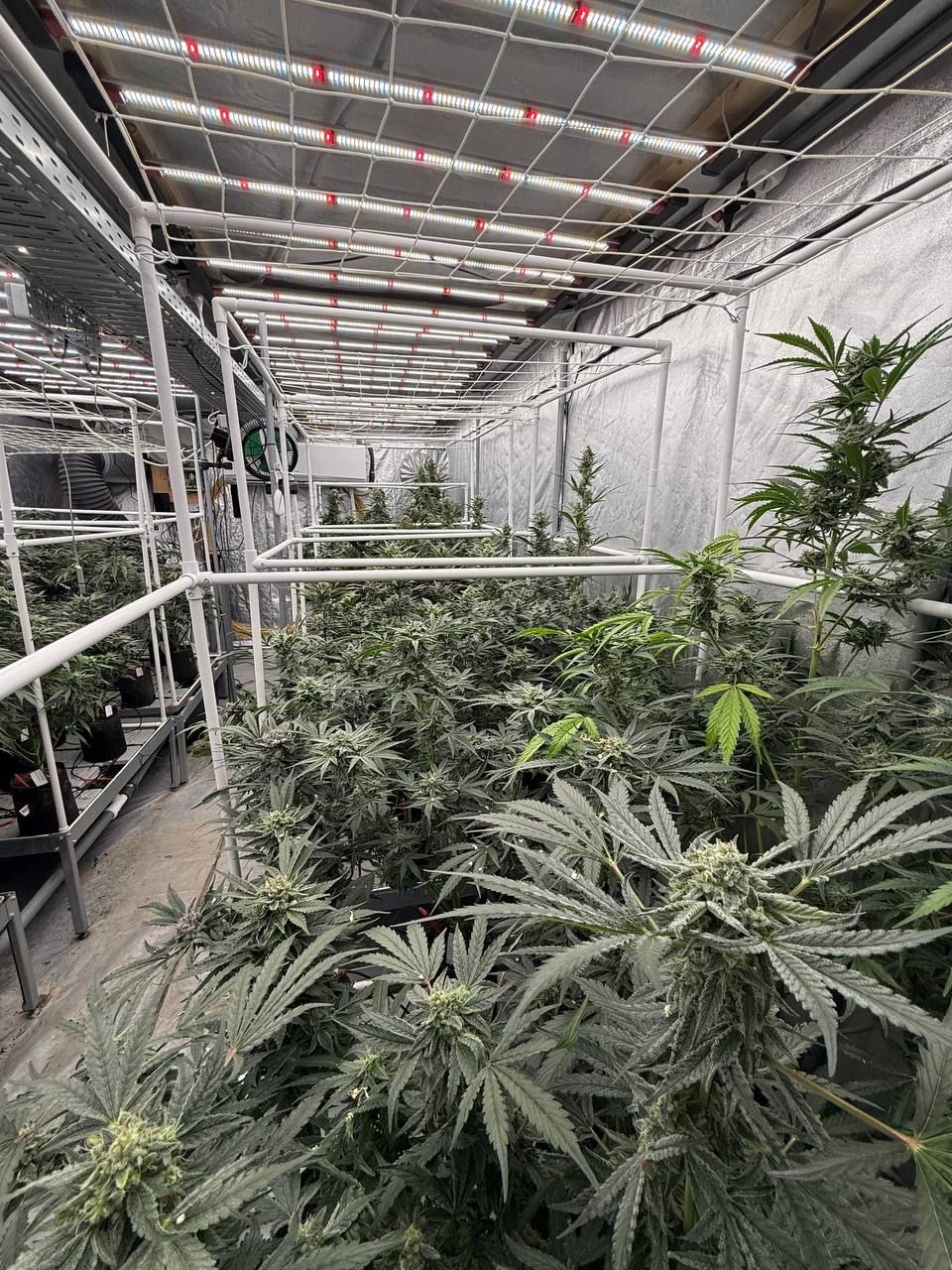
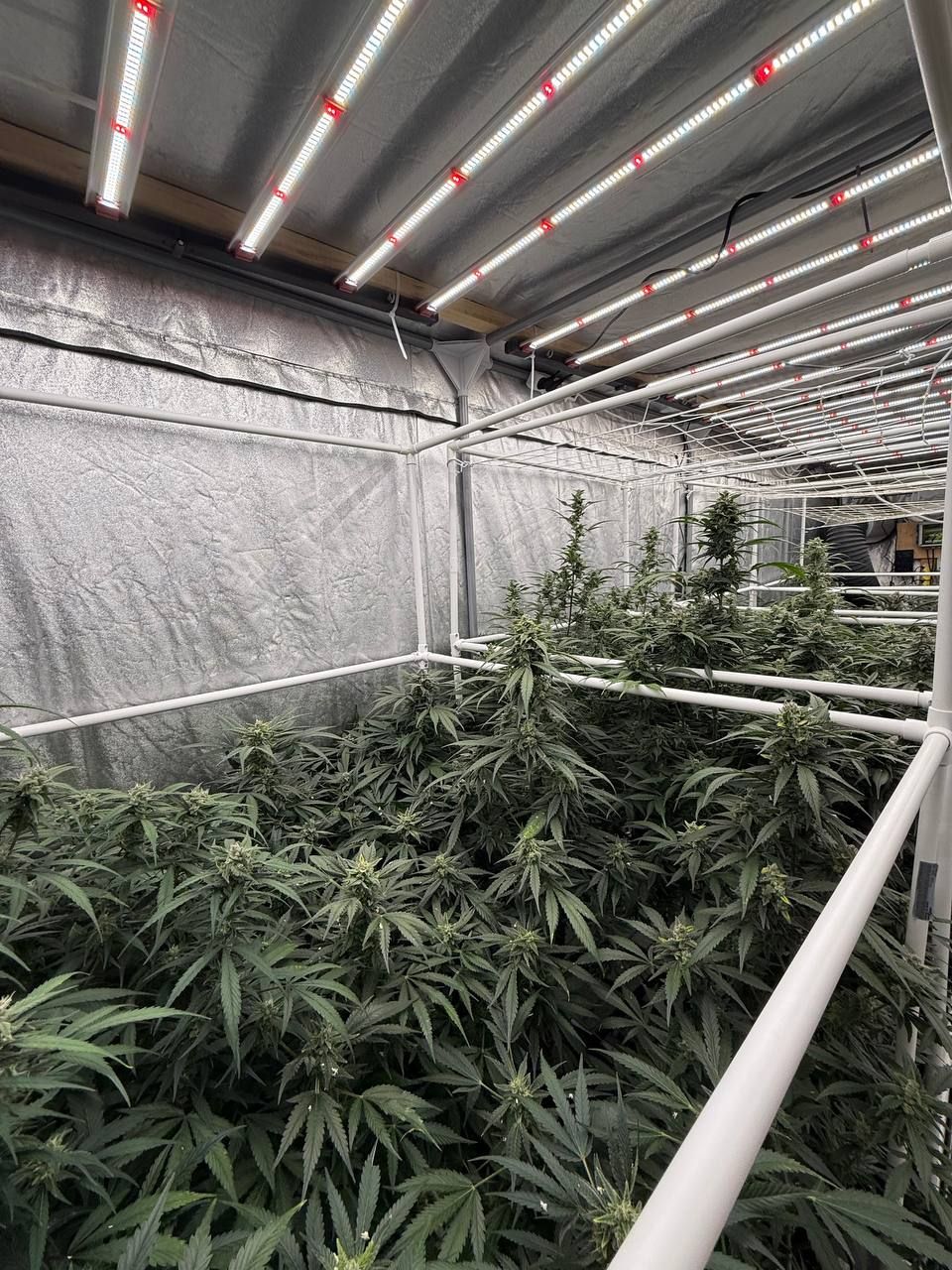
At this point, we remove the father from the population. His job is done, and there is no longer a reason to keep him alongside the mothers.
We then move into the next stage of selection, focusing on the mothers and their late-stage traits. From this point forward, we closely monitor how each flower develops, paying attention to structure, development, and other characteristics that become visible as the plants mature.
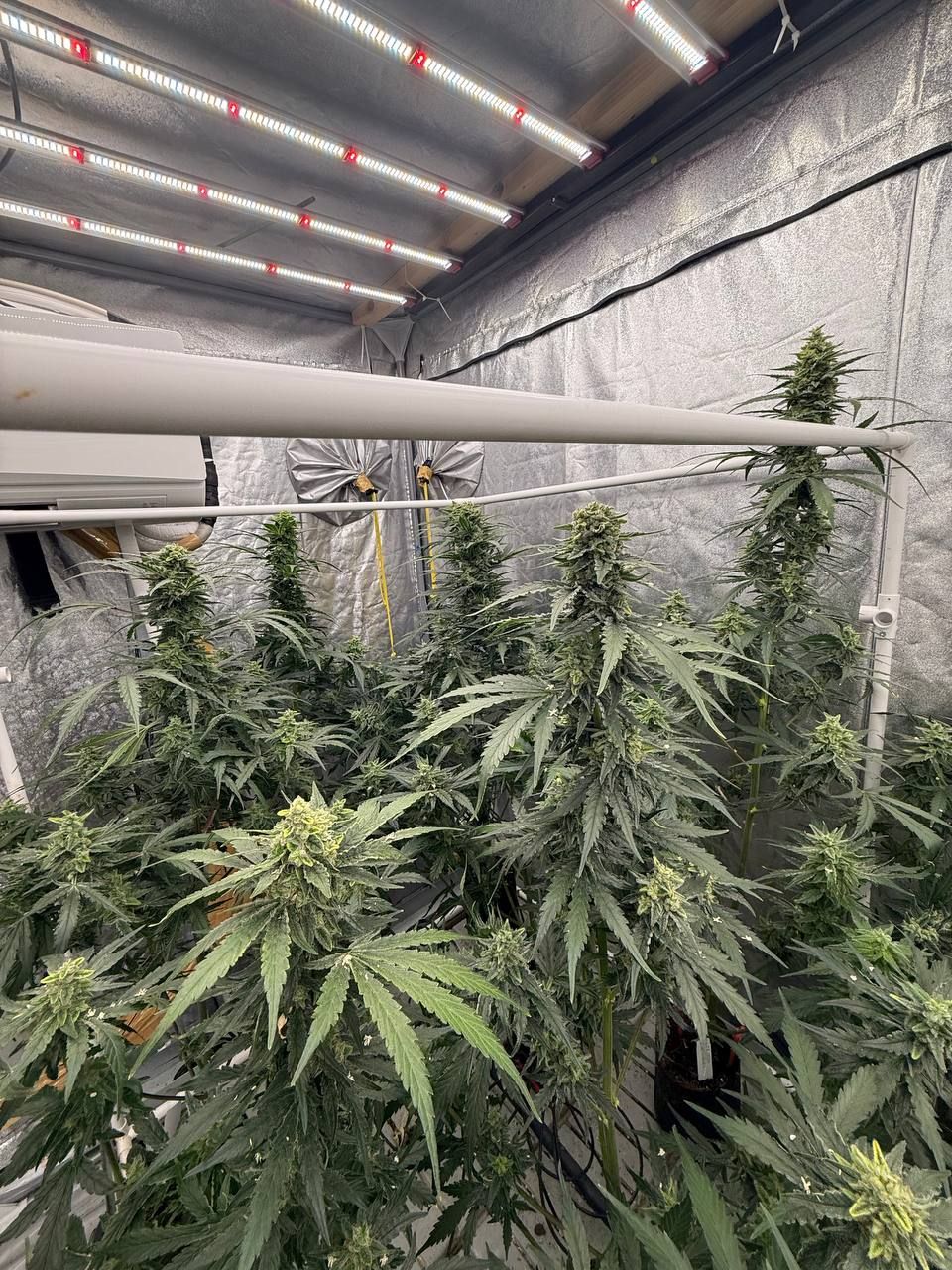
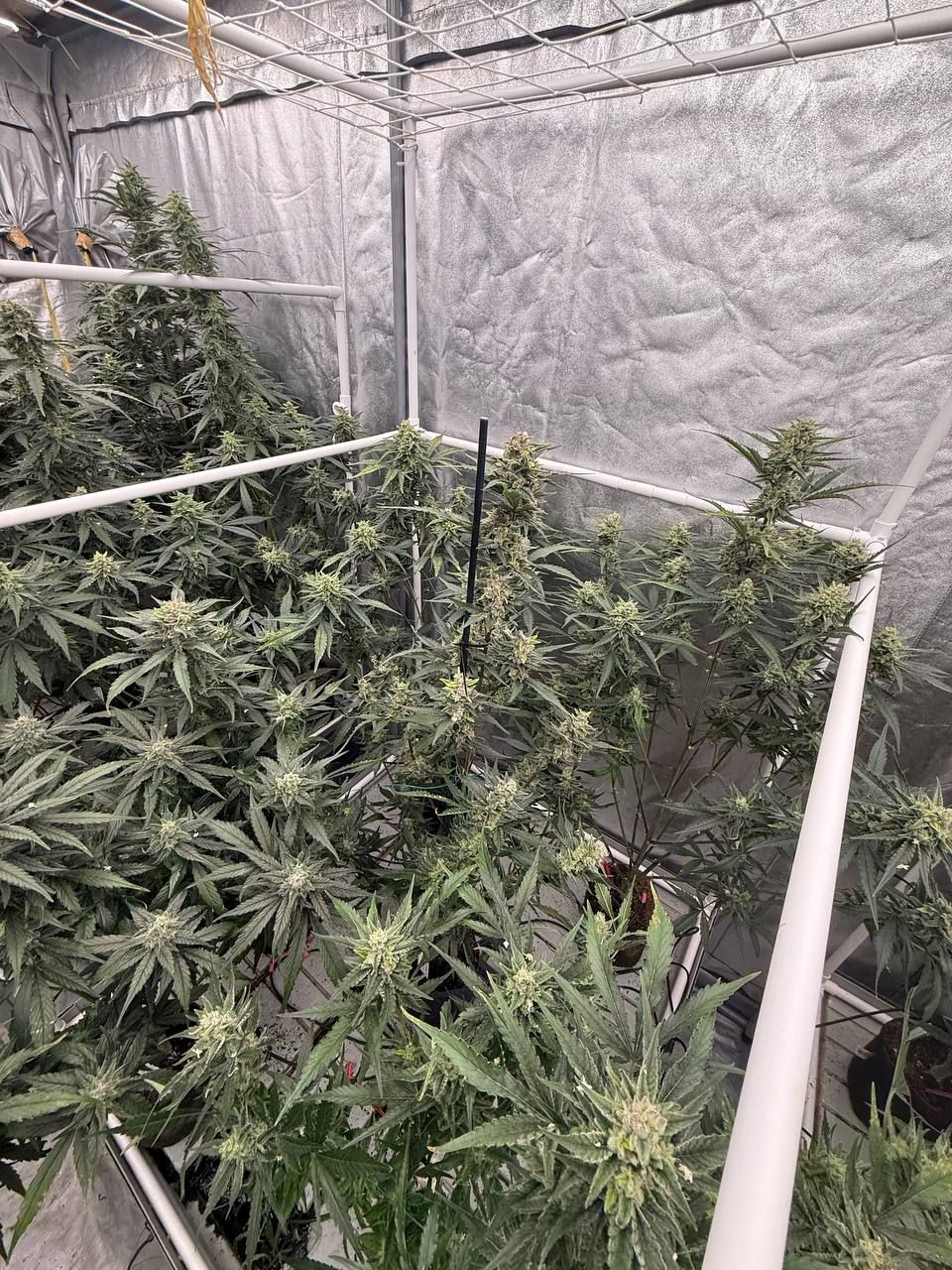
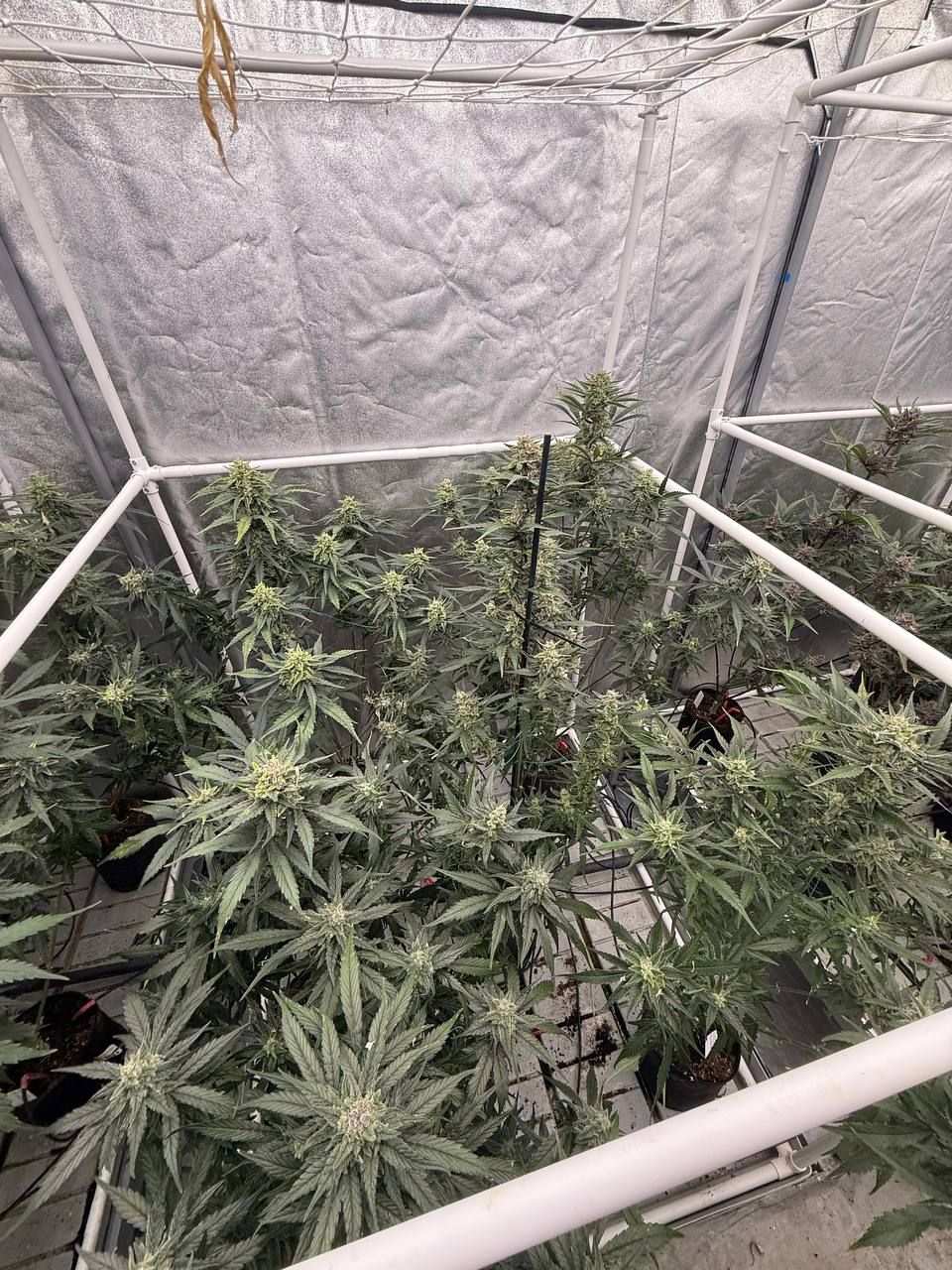
This late selection is just as important as the initial screening. The goal is to make sure that the seeds we carry forward come only from the best-performing mothers and the one carefully selected father.
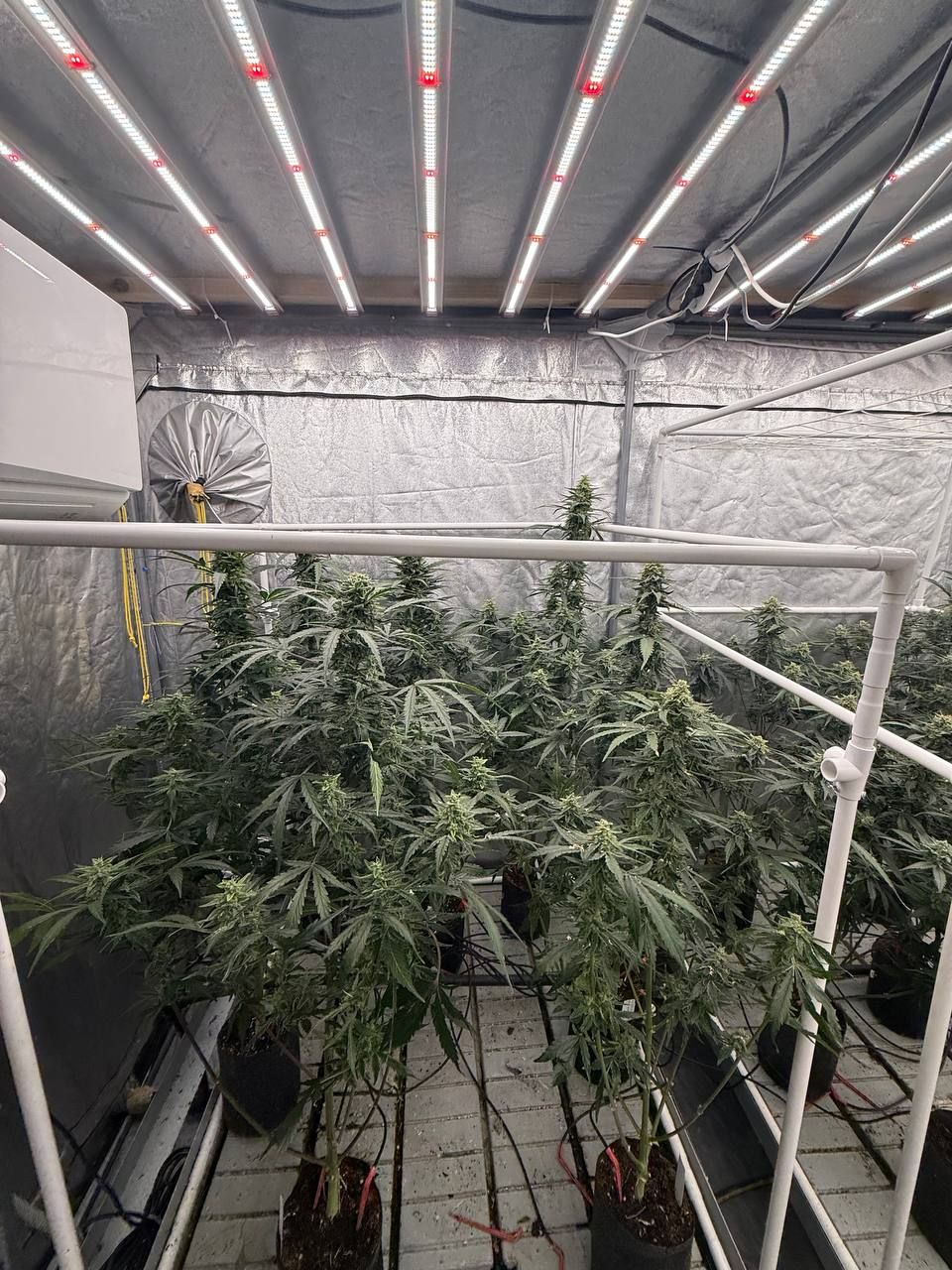
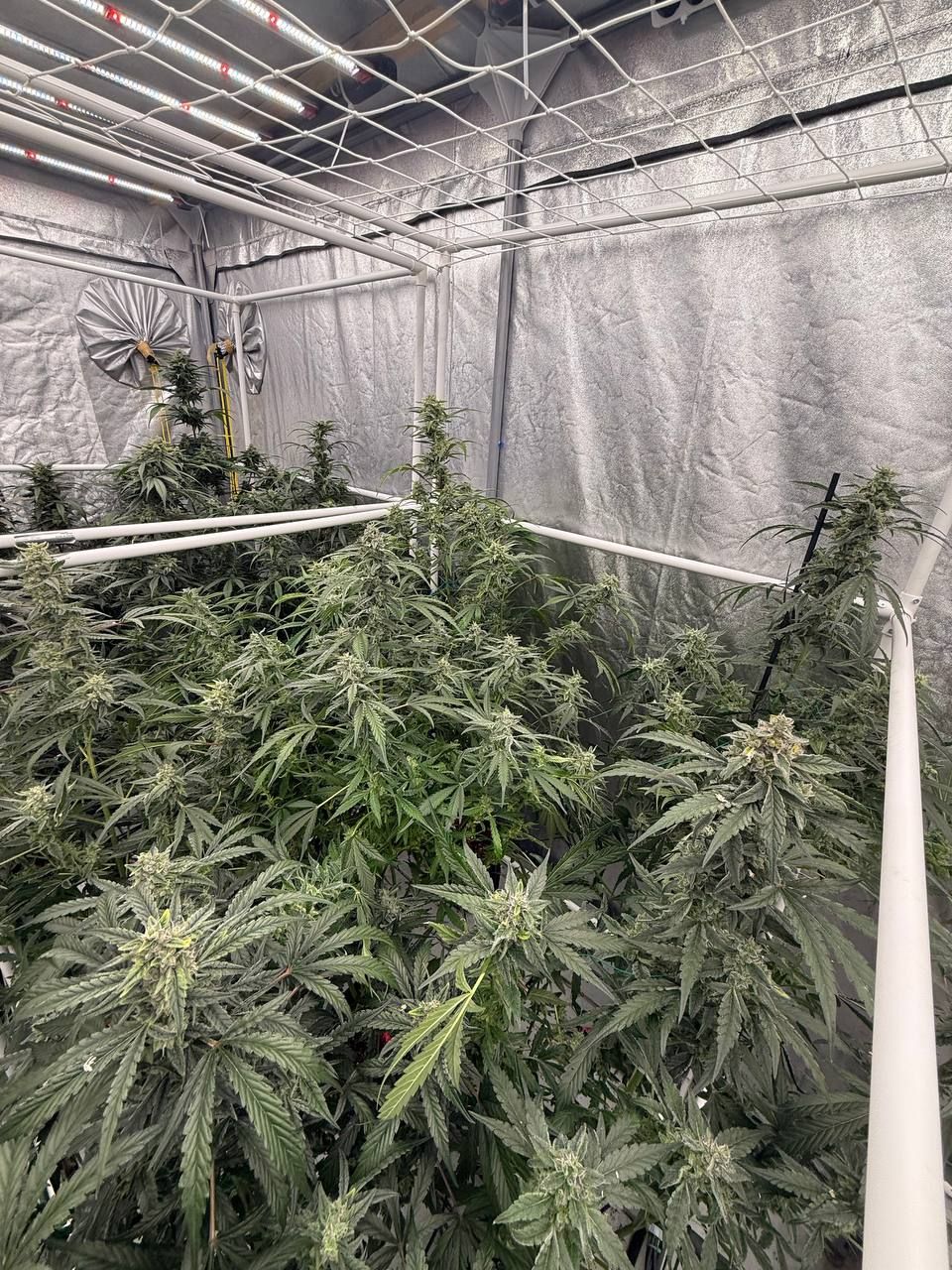
By combining the strongest late-stage females with the already selected male, we can keep the next generation focused on the traits we actually want to preserve.
The Following Weeks
Over the following weeks, our work becomes primarily focused on maintaining stable conditions and allowing the plants to continue developing naturally.
At this stage, we monitor overall growth, temperature, humidity, CO₂ levels, and all the other small details that are part of the daily routine.
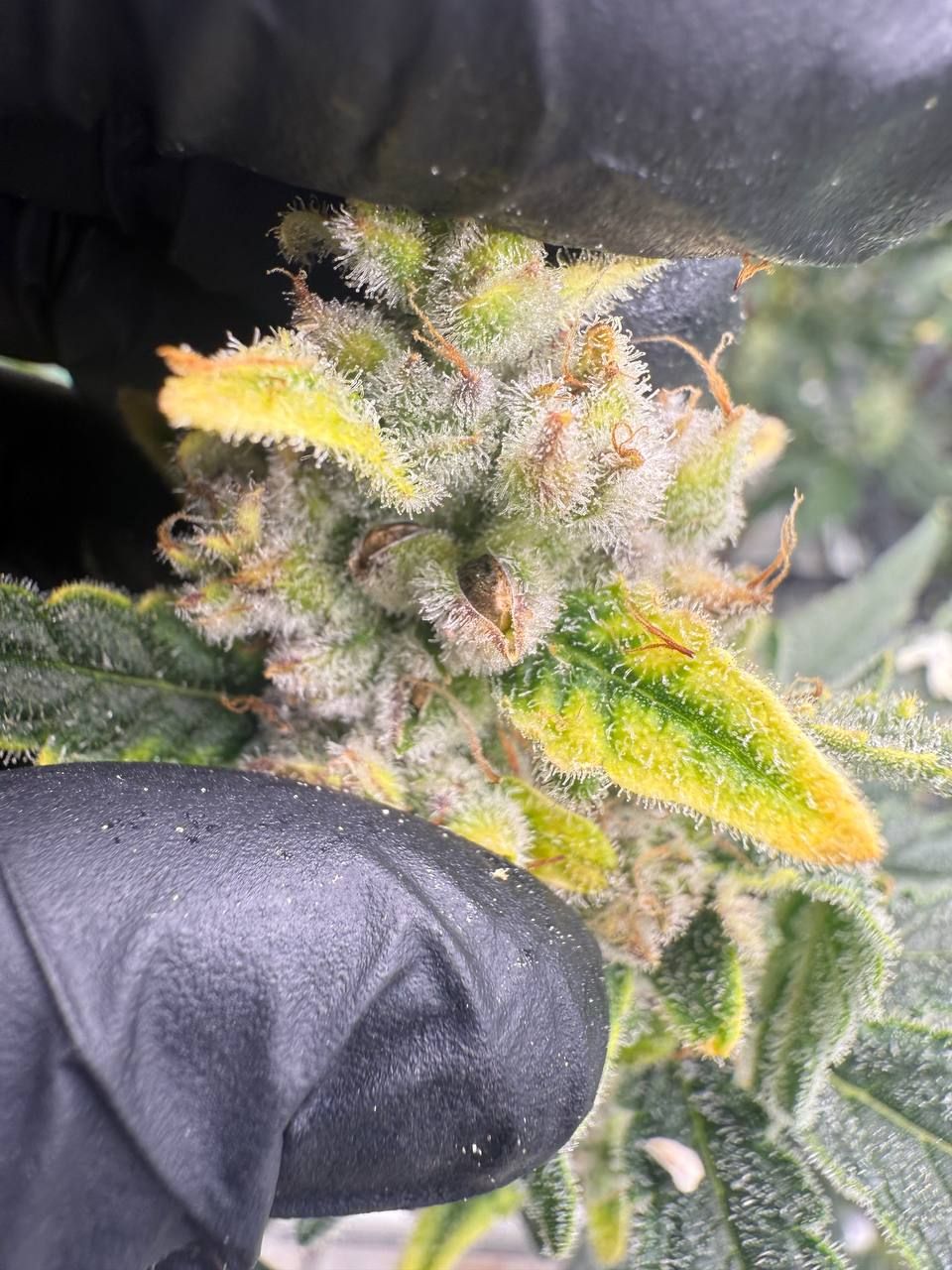
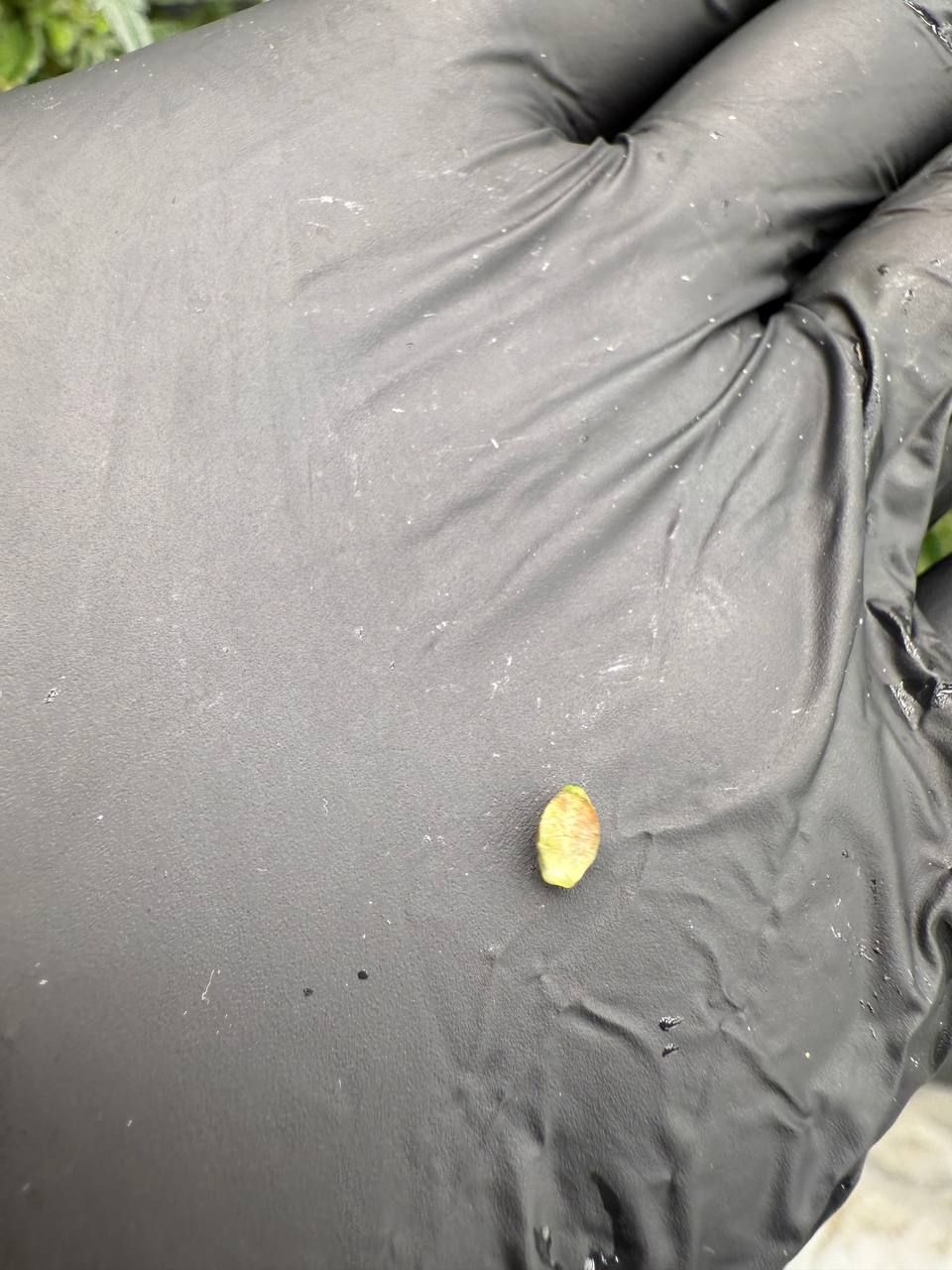
At the same time, we regularly check the developing seeds and monitor their level of maturity. We continue this process throughout the remaining cycle, waiting until approximately 95% of the plants are showing fully mature seeds, with no remaining green coloration or immature seeds visible.
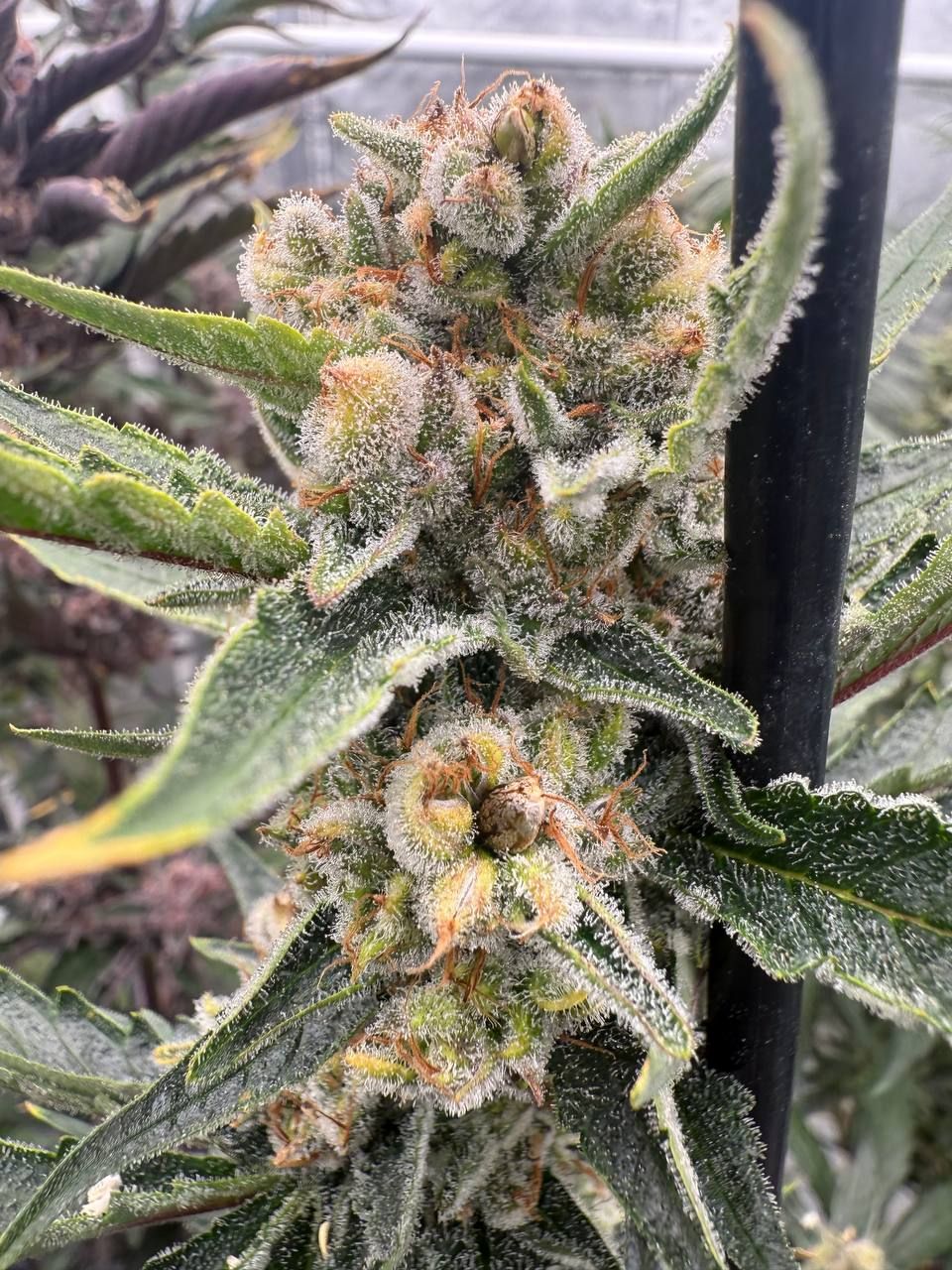
Harvest and Seed Collection
Once the time has come and the majority of the seeds have reached full maturity, all mature mother plants are ready for harvest.
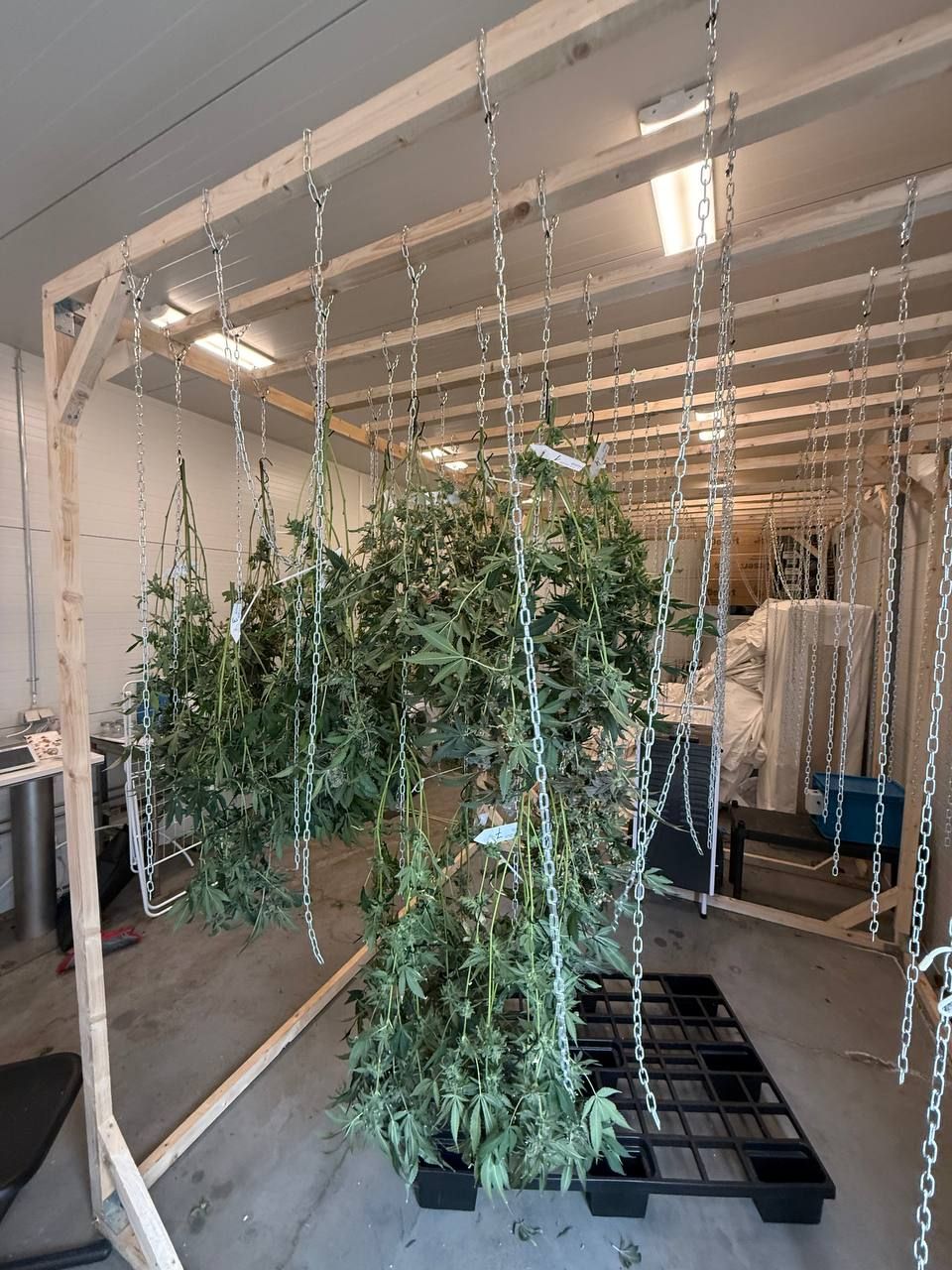
The plants are moved into the drying room, where they will remain until they are completely dried. Once the drying process is finished, we can extract the seeds from the flowers and prepare them for proper storage under favorable conditions.
This marks the end of the breeding and seed-production stage of this project.
In the next blog, we will move on to the next important phase: testing the seeds produced from this cross and seeing what this new generation has to offer.
FAQ
FAQ
1. How many new F1 hybrids are being developed in this project?
We have started the development of 11 new hybrid strains. Each cross is treated as a separate long-term project with its own selection and evaluation process.
2. Why are more male plants started than are ultimately needed?
Starting with more males gives us the opportunity to compare multiple candidates and select the strongest, most stable, and most suitable male for the final cross.
3. How is the final male selected for the cross?
The males are evaluated throughout their development, and only one individual that meets all of our selection criteria is chosen to pollinate the selected mothers.
4. Why are the mothers and fathers grown in the same environment?
Keeping both sides of the project under the same conditions helps maintain synchronization and allows the plants to develop together before the pollination stage.
5. Why is defoliation performed before pollination?
Pre-pollination defoliation opens up the plant structure, improves airflow and light penetration, and makes the pollination sites, including lower stigmas, more accessible.
6. Why is only one male used for the entire population?
Using one carefully selected father allows us to keep the paternal genetics consistent across the population while focusing the cross on the traits of the selected male and mothers.
7. What happens after successful pollination?
Once the first signs of seed development appear, the selected male has completed his role and is removed. The mothers then continue through the remaining cycle while being evaluated for late-stage traits.
8. How are the best mother plants selected?
The mothers are evaluated again during the later stages of development. We observe flower structure, development, and other characteristics that become more apparent as the plants mature.
9. How do you determine when the seeds are ready for harvest?
The developing seeds are regularly monitored throughout the remaining cycle. Harvest takes place once approximately 95% of the plants show fully mature seeds without visible green or immature seeds.
10. What happens to the seeds after harvest?
After the mature plants are harvested, they are moved to the drying room. Once the plants are completely dry, the seeds are extracted from the flowers and prepared for proper storage under favorable conditions.
Comments