



Growing Cannabis: Hydroponics vs Aeroponics

- 1. Aeroponics
- 1. a. Pros of aeroponics
- 1. b. Cons of aeroponics
- 2. Hydroponics
- 2. a. Pros of hydroponics
- 2. b. Cons of hydroponics
- 3. Aeroponics vs hydroponics
- 4. What to know before setting up your hydro or aero setup
- 5. Aquaponics - the third option
- 6. In conclusion
Hydro and soil are two great ways to grow cannabis that work better in different setups. Despite their differences, you can have great results in both of them. There are a lot of ways to grow high-quality cannabis in 2026. After a certain amount of time growing, you will find the one that suits you the best and allows you to achieve what you are looking for, based on your budget, experience, or availability. Aeroponics and hydroponics are methods that have been used for growing vegetables for a long time now, but just for a couple of years, they have been implemented in the cultivation of cannabis seeds. These methods consist of growing without soil and exposing the roots directly to the nutrient solution. You can achieve quicker growth and better quality buds if done properly.
Although both methods are often grouped, the main difference is how water and nutrients reach the roots. Hydroponics covers several types of soilless growing systems, while aeroponics is a more specific technique that keeps the roots suspended in air. Understanding this distinction is important because each system has different equipment requirements, maintenance needs, and running costs.
1. Aeroponics
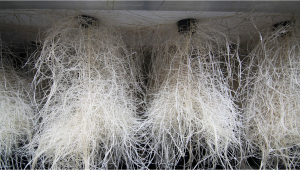
Aeroponics is a way of growing where the roots are held mid-air by a special net or pot. Rather than being surrounded by soil, the roots are surrounded by oxygen and CO2 and are misted directly with a nutrient solution that coats the whole roots every 3-5 minutes.
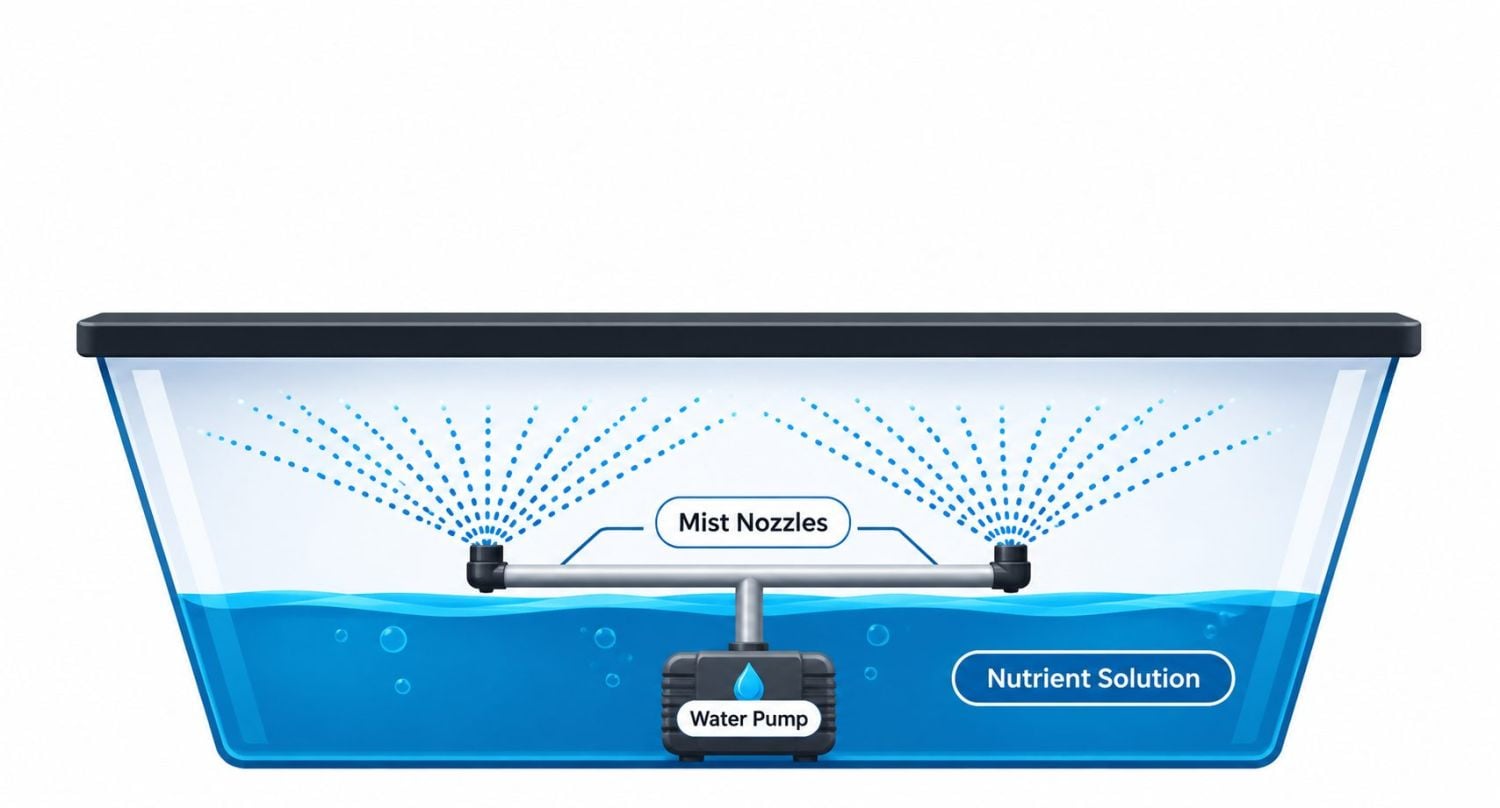
This technique is done indoors as it protects the plants from external elements and allows the grower to have complete control over the environment. One important thing to understand is that not all aeroponic systems work in the same way. Low-pressure and high-pressure aeroponics use different equipment to deliver the nutrient solution, which affects the complexity, cost, and maintenance requirements of each system. Aeroponics is also used in scientific research because the exposed root system makes it easier to observe root development without disturbing the plant.
Pros of Aeroponics
Higher Yields
Different from other techniques where plants have to “fight” for nutrients, in aeroponics the nutrient solution is delivered directly to the roots. This translates into bigger yields and faster growth.
Better Nutrient Absorption
The lack of medium means there will be higher nutrient absorption. Because the nutrients are misted on the roots, there will also be less or zero waste of water and nutrients. Another advantage is that aeroponic systems can use water very efficiently, particularly when the nutrient solution is collected and recirculated.
Easy Transplanting
If you happen to have to move the plants, there will be almost no risk of damaging the roots. You can just lift the pot and transfer it to another reservoir. Because there is no medium, the plants won’t even feel it.

Cons of Aeroponics
High Maintenance
Aeroponics is a system that is super sensitive and requires high maintenance. Because the roots are openly exposed, everything has to work at the correct time. If the power goes out for a couple of hours, they will not get hydrated and will die. The systems also need to be cleaned bi-weekly and checked 24/7.
Clogged nozzles, pump failures, and mineral buildup are some of the most common technical problems associated with aeroponics. Since the system relies on mechanical components, equipment reliability plays a major role in its overall performance. This is one reason why aeroponics is generally considered more technically demanding than simpler hydroponic systems.
High Cost
Because an aeroponic system depends on quite a lot of equipment and uninterrupted electricity and water, the initial costs are high compared to other methods of growing. Although there are some things that you can do yourself at home, some you will need to buy. Don't cheap out on them. They will be responsible for your plant’s growth.
The purchase price is not the only expense to consider. Electricity consumption, replacement components, cleaning supplies, and ongoing maintenance can also contribute to the total cost of ownership. More sophisticated systems may offer additional monitoring features, but they usually come with a higher initial investment.

2. Hydroponics
Hydroponics is actually an umbrella term for several different systems, including Deep Water Culture (DWC), Nutrient Film Technique (NFT), ebb and flow, and drip irrigation. Not all of them keep the roots permanently submerged in water. Some use a growing medium, while others expose the roots to a circulating nutrient solution. This variety is one of the main reasons hydroponics is widely used in commercial horticulture.
Hydroponics is what gave birth to aeroponics and can be used with other types of medium (like coco fiber, clay pebbles, or rock wool, among others). By eliminating soil, we reduce the chances of getting pests that rely on soil in their life cycle.
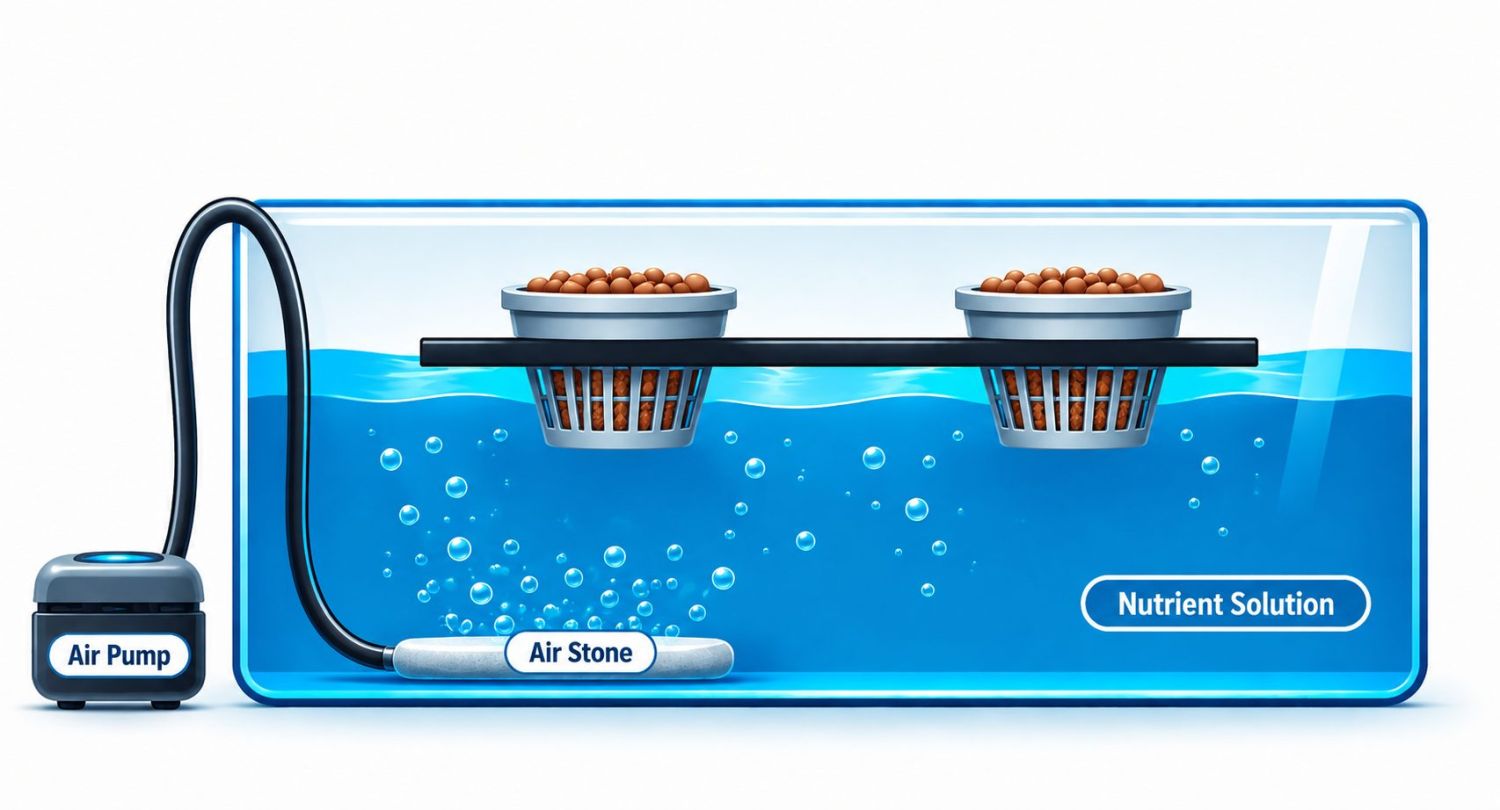
This method consists of submerging the roots in a nutrient solution. This way, they can feed the amount they need when they need it. The oxygen is delivered either by oxygenating the water with air rocks or draining all the solution every 10 minutes or so.
Pros of Hydroponics
Water efficiency
Almost all growers who grow in soil or other mediums grow in a drain-to-waste system. This means the runoff water goes to waste. In hydroponics, this can be avoided by recycling the nutrient water. Because the water doesn’t go through any type of medium, it comes out fairly clean and can be reused several times.
Recirculating hydroponic systems can significantly reduce water consumption compared to conventional irrigation, although the exact savings depend on the crop, climate, and system design. They can also reduce nutrient-rich wastewater, which is an important environmental consideration because excessive nutrient discharge can contribute to water pollution.
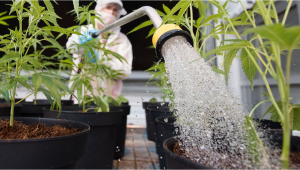
More Control Over The Nutrients
In hydroponics, we provide a solution in which plants can feed the amount they need when they want to. Because of this, we have more control over the speed and growth of our plants.
Relatively Affordable
Although this is a relatively new method of growing cannabis, it is cheaper than aeroponics. The initial cost can seem expensive compared to growing in soil, but in an individual hydroponic system, you can grow a large number of plants, which can even yield more and better quality. The extra money spent (compared to soil) will come back in the form of better quality buds and higher yields.

Cons of Hydroponics
Diseases Spread Easier
Because the plants are all in the same reservoir, if one gets a disease, it will quickly spread to others. That is one of the worst things about growing in hydroponics if you aren’t very experienced. This risk is particularly relevant in recirculating systems, where several plants share the same water supply. Waterborne pathogens can move through connected equipment, although not every hydroponic system uses a shared reservoir. Disease transmission therefore depends on the system's design, sanitation, and water management.
Low Oxygenation
In hydroponic systems, you will need to oxygenate the solution that feeds your plants. This means spending an extra couple of bucks on air stones, and you will need to check on them every day. If one of them fails, be sure to have a replacement ready. If your plants are submerged in a solution without oxygen, they will drown and die.
3. Aeroponics vs Hydroponics
Both methods of growing work kind of the same. It solely depends on the experience of the grower, but a general rule would be: A hydroponic system slightly sacrifices quality to get more quantity, while in aeroponics, you slightly sacrifice quantity to obtain better quality.
However, there is no universal rule that aeroponics produces better quality while hydroponics produces greater quantity. Research comparing soilless cultivation methods shows that results depend on the crop, environmental conditions, and specific system being used. Neither method guarantees superior plant quality simply because of how nutrients are delivered.
Both systems need quite a bit of experience and need monitoring almost 24/7, especially measuring and adjusting pH and temperatures. So the task of choosing the best system is your decision, and it will be influenced by the quality and yield you desire, budget, experience, and mainly what you can do in the space you have available.
Another important difference is the level of technical complexity. Aeroponics generally depends on more specialized equipment, while hydroponics offers a wider range of systems, from relatively simple designs to highly automated commercial installations. Both can be water-efficient, but neither is automatically more sustainable without considering electricity consumption, equipment lifespan, and wastewater management.
4. What to know before setting up your hydro or aero setup
If reading the pros and cons got you excited to start your own hydroponics or aeroponics cannabis setups, read along to know everything you should keep in mind before starting.
Space
Before even thinking about what to do, it’s essential you measure the area available, as this will dictate how many plants you’ll be able to grow at once. Keep in mind that even the smallest hydro setups need a water pump, lights, water reservoir, etc. So know exactly how much space you have before anything else.
Automation
Both hydroponic and aeroponic setups are automated, as doing so guarantees you’ll have a smooth grow cycle without any major issues, but remember that automating your setup doesn’t mean you get to sit and wait.
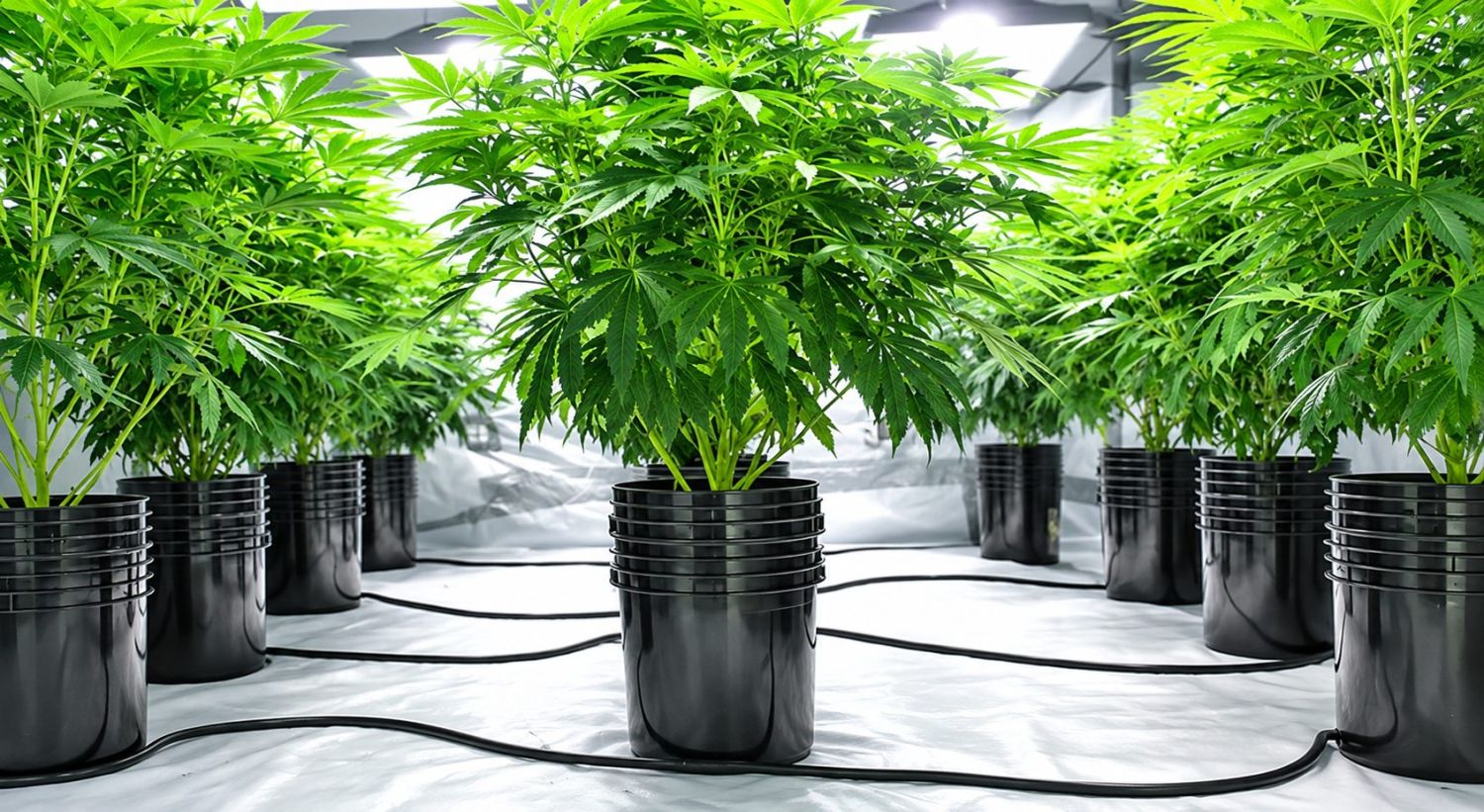
You’ll still have to check water levels and temperatures and make sure everything is working correctly.
Upgrading
If you’re a beginner, it’s always recommended to start with small setups but keep in mind that certain hydro setups are not expandable or customizable so consider buying a system that will allow you to upgrade it when you’re ready to do so.
Price
The last but most important factor is the price. For beginners, it’s better to go for pre-built hydroponic or aeroponic systems, but there’s also the option to build your own DIY setups. In terms of price, pre-built setups tend to be more expensive than DIY setups, but they’re more reliable. This means that pre-built setups will ensure a smooth grow cycle and are highly recommended if you’re a beginner. Once you get enough experience, you’ll be able to apply it to building your own setup to your liking.
It's also worth distinguishing between the initial investment and long-term operating costs. A cheaper system is not necessarily more economical over several years, especially when electricity, replacement parts, water consumption, and maintenance are taken into account. The availability of spare parts and manufacturer support can also make a significant difference to the overall cost.
5. Aquaponics - The Third Option
So, there it is. Everything you need to know to make an informed decision about which non-organic cultivation route to go down. Hold up, though. What if we told you that there is a third option, and one that you can run fully organically, that can offer all of the benefits of hydroponics? It takes some work to set up and is just slightly more labor-intensive once you get it up and running - but it's still very doable and is something that you should be seriously considering. We are talking about Aquaponics, the third and least explored option for cannabis cultivation.
Aquaponics Explained
Aquaponics systems typically consist of two key components: a hydroponic system and an aquaculture tank. The hydroponics part of the system provides the plants with a nutrient-rich solution from the aquaculture tank, which is essentially an ecosystem of fish.
The process works by cycling water through both components; the fish waste in the fish tank acts as a natural fertilizer for the plants, and in turn, the clean water from the hydroponic system is cycled back into the fish tank. The result is a symbiotic relationship between the two components, resulting in faster-growing and healthier plants and fish.
The Benefits of Aquaponics
- Aquaponics systems are incredibly efficient - they use up to 90% less water than traditional soil-based cultivation methods and about half of a hydro setup. This means that you can save a lot of money and resources in the long run.
- Aquaponics systems also offer a high degree of control over your plants' environment, allowing you to adjust the water temperature, pH levels, lighting, etc., to create ideal growing conditions for your plants. This makes it easier to identify problems with your system quickly and take action quickly.
- While you do have the initial cost outlay of the fish and their tank, they provide all of the nutritional needs of the plants, making them a much cheaper option in the long run. They also provide totally organic nutrients, which come with the bonus of producing better-tasting and smelling buds. Plus, the act of raising and breeding the fish is very satisfying.
- Finally, aquaponics systems are far and away more sustainable than traditional methods because everything is kept within a closed-loop system, meaning that there is no need for external inputs or outputs.
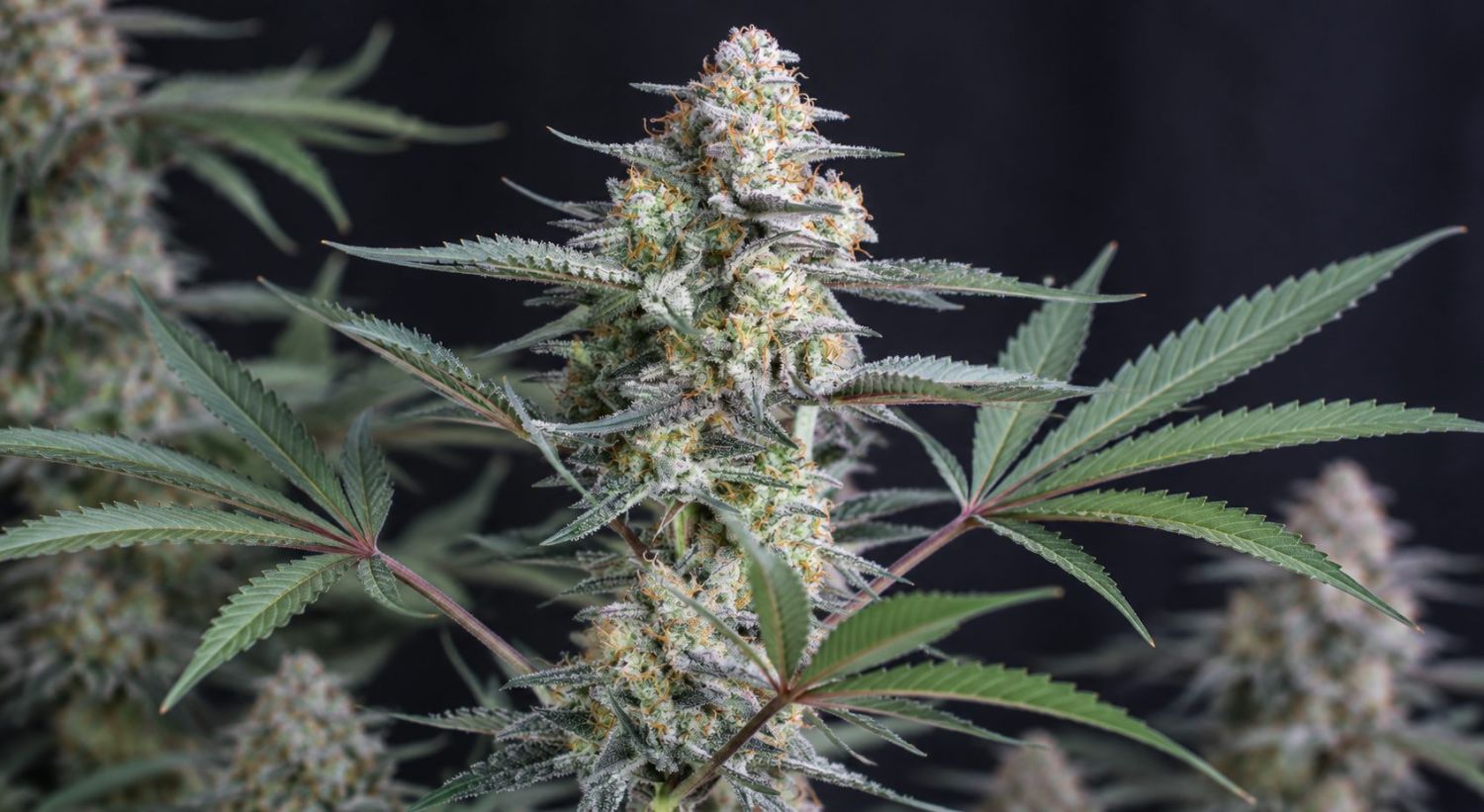
Aquaponics systems can deliver everything that hydroponic and aeroponic setups can, with even more control and sustainability. For those looking to go fully organic, they are definitely worth exploring further. However, there is a lot of research involved in setting up, maintaining, and optimizing the system - aquaponics is a whole discipline within itself, and there are truly no shortcuts.
But the results can be incredible, so if you are looking for a sustainable way to grow your sticky icky and love a challenge, then we reckon you should 100% check it out!
6. In Conclusion
Hydroponic and aeroponic systems may seem similar at first, but they are used in different situations. Both of them need monitoring 24/7 to be sure all the equipment is working properly, and you will need to check pH, temperatures, and humidity almost every day. The final decision is solely a matter of preference and what you can do in the size of your grow room. Choosing either one of them, we recommend having quite a bit of knowledge before risking your whole harvest in any of these systems.
Ultimately, the biggest differences between hydroponics and aeroponics come down to how the systems work, their equipment requirements, and their maintenance demands. Advances in sensors and automation have made both technologies more accessible, but neither eliminates the need for regular monitoring. Water efficiency, energy consumption, reliability, and long-term costs are all worth considering when comparing these two approaches to soilless cultivation.
FAQ
The main difference is how the roots get water and nutrients. Hydroponics uses nutrient-rich water, while aeroponics keeps the roots hanging in the air and sprays them with a fine nutrient mist. Both methods grow cannabis without soil.
Hydroponics gives you more control over plant nutrition without dealing with traditional soil. It can also save water, keep things relatively tidy, and offers plenty of different system options.
Nope! That's one of the things they have in common. Neither method needs traditional soil. Some hydroponic systems use materials to support the plants, while aeroponics usually leaves the roots hanging freely inside a chamber.
Yes! Since the roots hang in the air, they have plenty of access to oxygen. That's one of aeroponics' biggest advantages. However, hydroponic systems can also provide healthy oxygen levels when they're properly designed.
Yep! Aeroponics is actually a type of hydroponics. Both grow plants without soil, but aeroponics takes a different approach by spraying the roots with nutrient-rich mist instead of keeping them in flowing or standing water.
Aeroponics usually needs more attention. The misting nozzles and pumps can get clogged or stop working, which can quickly affect the roots. Hydroponics also needs regular checks, but simpler systems tend to be more forgiving.
A power cut can cause problems for both, but aeroponics is often more vulnerable. Without misting, exposed roots can dry out pretty quickly. Some hydroponic systems hold enough water to give plants a little more breathing room during an outage.
Absolutely. Just because there's no soil doesn't mean plants can't get sick. Both systems can develop root problems, including diseases caused by pathogens like Pythium. Neither method is completely immune.
Both have their benefits. Hydroponics and aeroponics can use much less water than traditional soil-based farming. Aeroponics may save even more water, but its specialized equipment can use additional energy. The greener choice really depends on the overall system.
Yes! Both methods work well with indoor, controlled-environment growing setups. They don't need traditional soil, which makes them appealing for indoor spaces.
Comments