




New iteration of Cherry Cola in progress
Soaking seeds of Cherry Cola Auto
We are officially starting a new Cherry Cola Auto cycle. As in all our production runs, the process begins with the future fathers. This familiar and proven approach allows us to build the entire cycle on a predictable and controlled foundation.
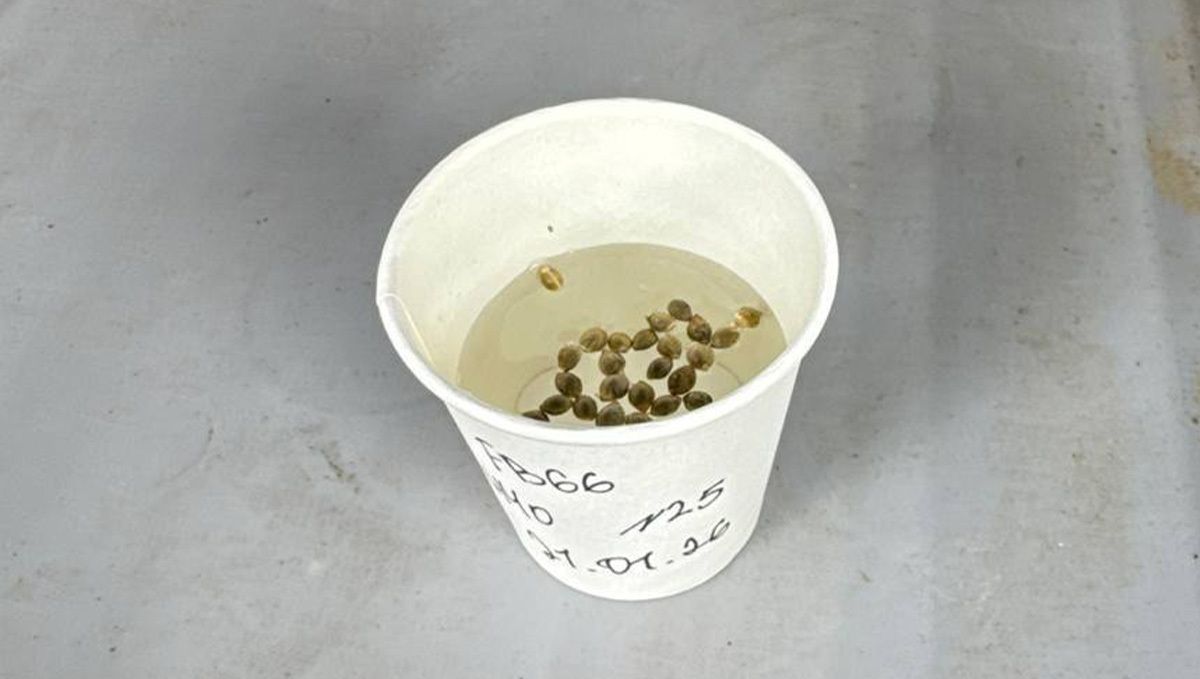
The seeds for the males were first soaked in plain water, giving them enough time to fully activate before planting. Once ready, they were transferred into peat starter plugs. This is the same method we consistently use for clean starts and stable early development, and it has proven its reliability across many cycles.
We are starting this cycle with 25 fathers, with the goal of narrowing the selection down to the 2 strongest individuals for the final stage. Only the most stable, vigorous, and genetically consistent males will move forward.
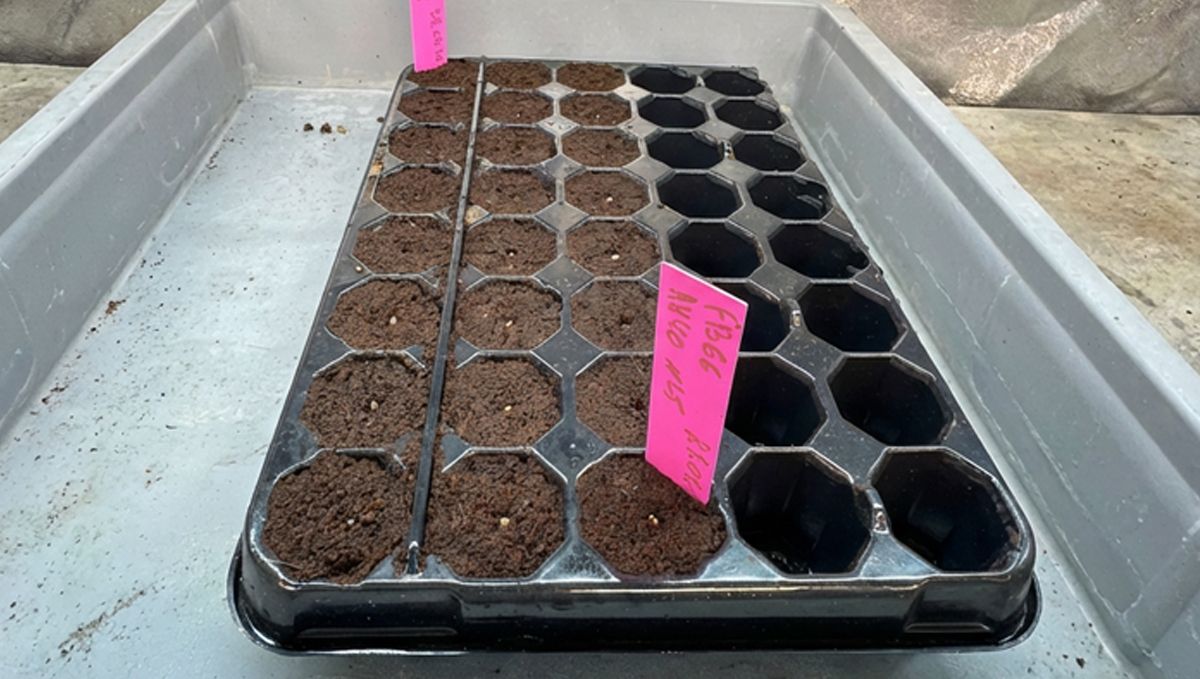
At this stage, the focus is not on speed, but on creating the right conditions for calm and even growth. A strong and stable start in the earliest phase sets the tone for everything that follows later in the cycle.
We apply the same methodology here that we use across all our projects. Additional techniques and alternative approaches are covered in a separate article. For this run, however, we stick to a simple, repeatable, and effective process.
With the fathers now established, the Cherry Cola Auto cycle is officially underway. This is the first step toward shaping the next iteration of the line, and we will continue documenting each phase as the cycle progresses.
Transplanting the Future Fathers
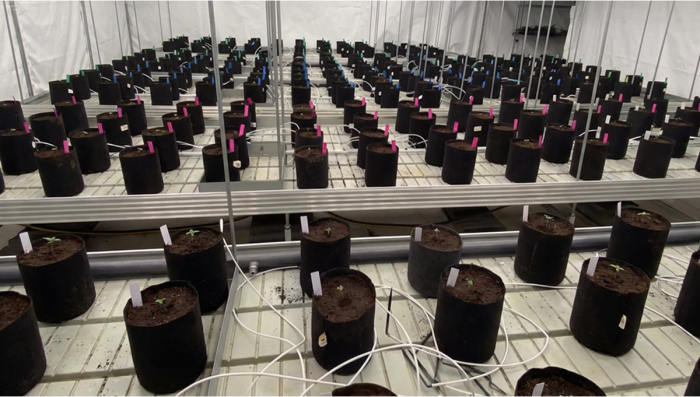
We have officially transplanted our future fathers into coco. The substrate is prepared using our standard 85/15 blend of coco and humus. This balance provides both structural aeration and a stable organic component that supports early root development.
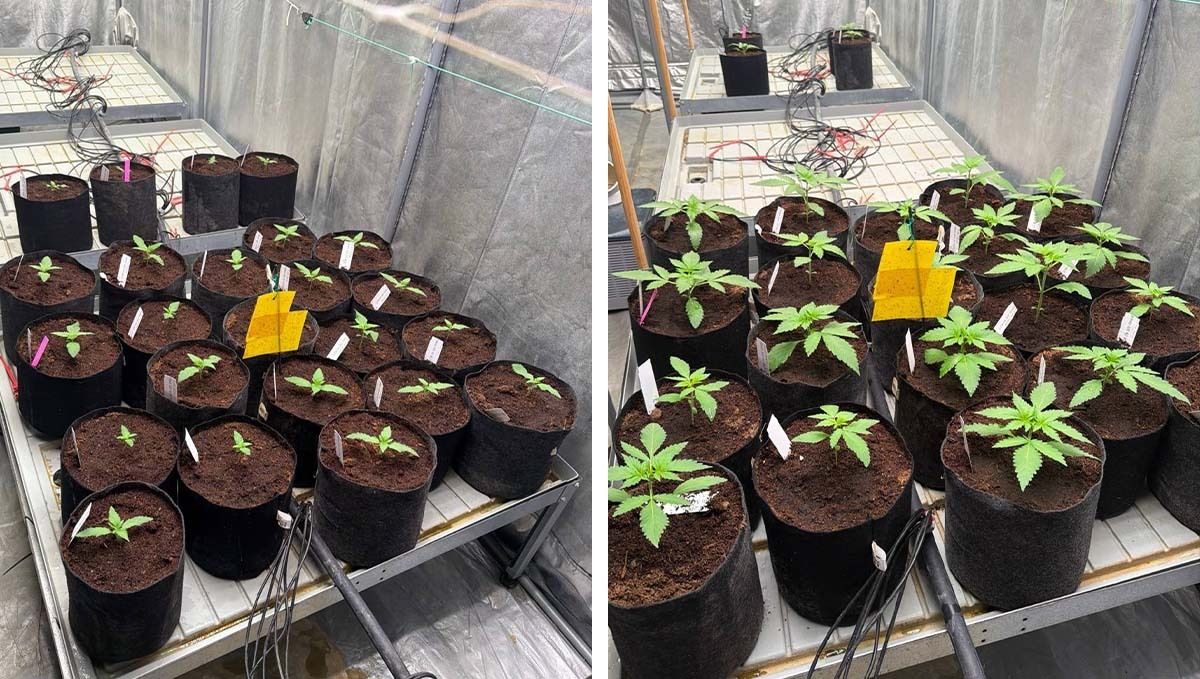
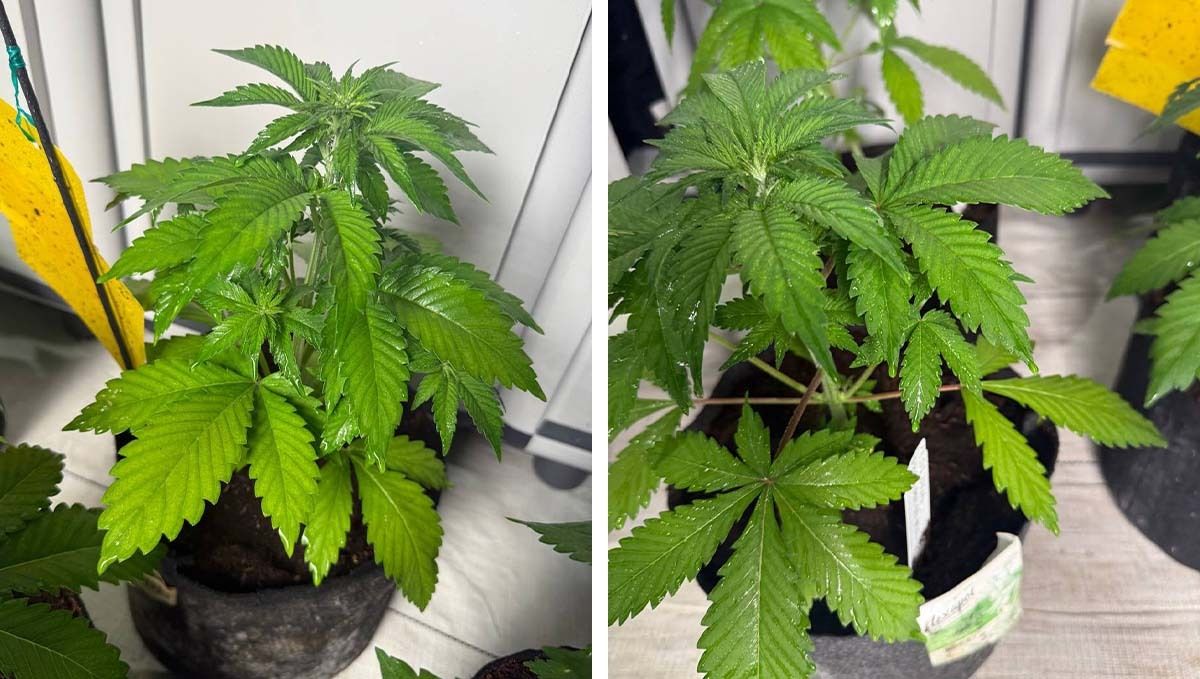
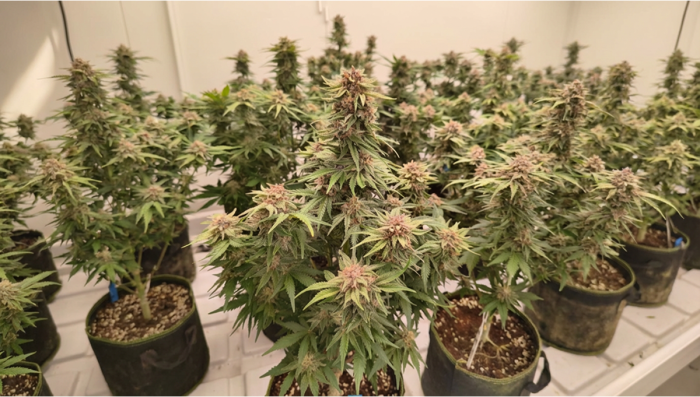
The males have now settled into the medium, and in the image you can clearly see the difference in growth over just one week. Cherry Cola Auto is already demonstrating strong early stability, which is always a positive sign. When plants move evenly from the start, it indicates that the genetics are behaving as expected and adapting well to the environment.
At the very beginning of the cycle, right after transplanting young seedlings, we keep the light intensity relatively low at 120 to 170 PPFD. The priority during this stage is simple. No stress. The plants must focus on root establishment and steady vegetative growth.
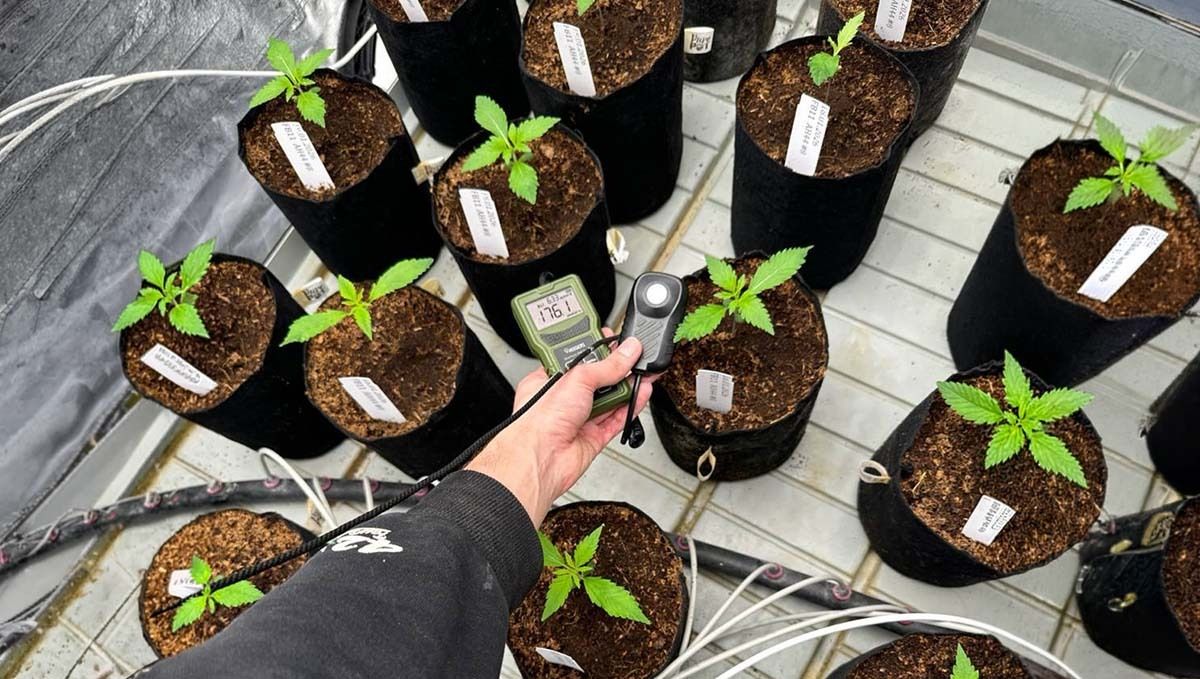
Daily monitoring, often several times per day, gives us confidence that everything remains under control. At this phase, it is crucial not to overwater and not to overpower the plants with excessive light. Autoflower genetics are sensitive during early development. Even minor stress at this stage can affect the entire cycle later on.
Introducing the Future Mothers
After some time, we introduce the future mothers into the system. The principle remains the same as with the fathers. The same substrate mix, the same careful handling, and the same attention to early environmental balance.
We are officially starting this phase of the cycle with 154 mother plants. This number sets the scale for the project and gives us a strong base for selection moving forward.
Launching the cycle with this volume allows us to observe a wide spectrum of expression while maintaining control over structure and uniformity. Each plant now becomes part of a larger comparison process, where stability, vigor, and genetic integrity will be closely evaluated.
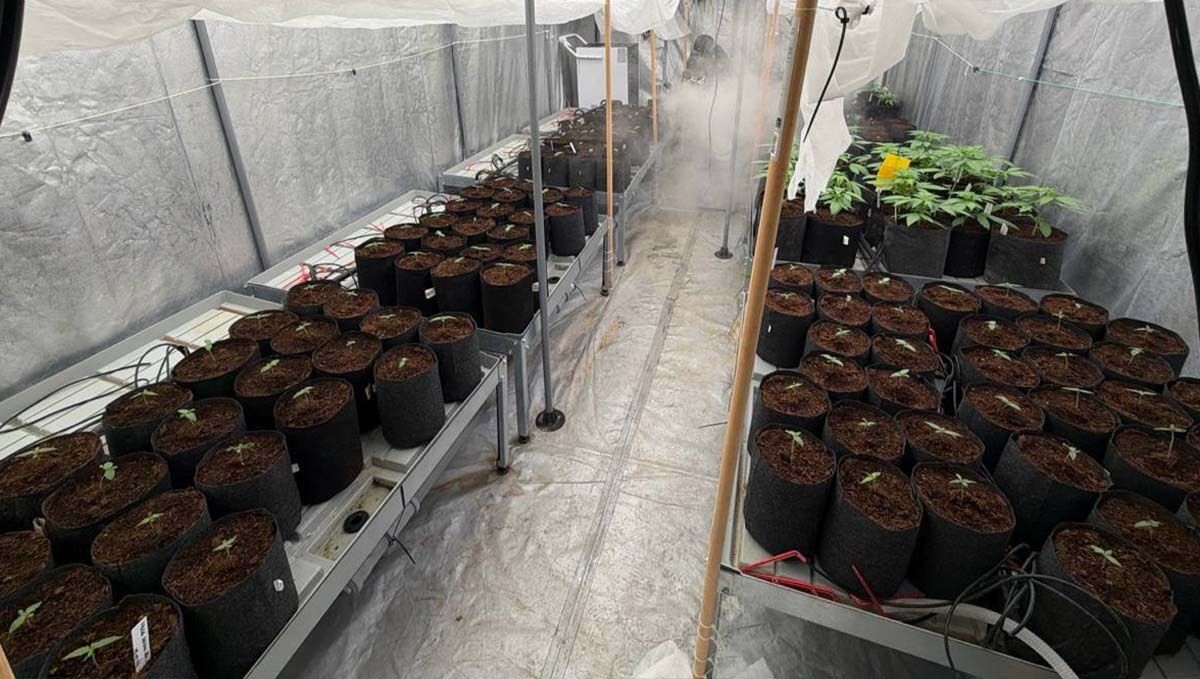
At this stage, the focus is not on quantity, but on identifying quality within that number. From these 154 mothers, only the strongest, most balanced, and most consistent individuals will continue through the cycle. The rest will be removed without hesitation.
This is where real work begins. Structure is set, spacing is defined, and the next weeks will reveal which plants truly deserve to move forward.
Growth Comparison & Visual Development
In the photos, you can observe the growth difference of the mothers over a single week. The development is clearly visible, and structure is beginning to define itself.
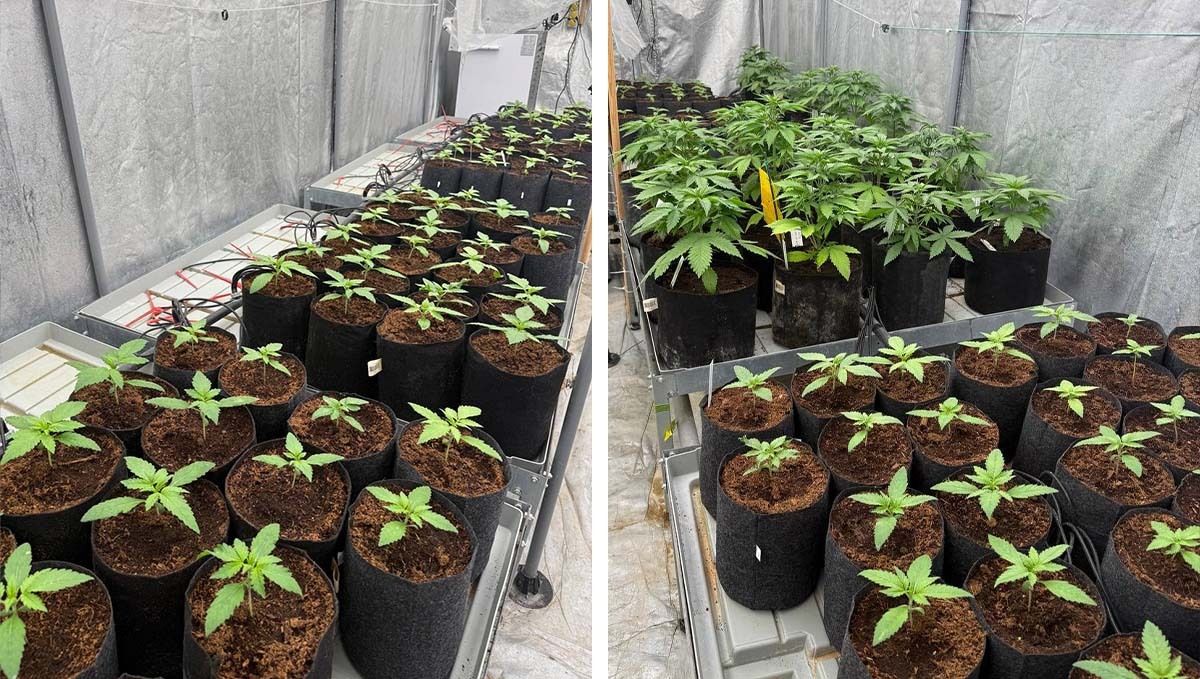
Take a closer look at the fathers as well. They are looking very promising at this stage. However, it is still too early to select the best individuals. In this particular project, we are not only evaluating structural identity and vigor. We are also waiting for the expression of a strong purple pigmentation, which will reveal itself slightly later in development. That characteristic will play a key role in final selection.
Primary Selection
Around 7 to 10 days after the mothers begin active growth, we move into the first selection stage. At this point, any plants that show even minimal stress responses are removed. Stress can come from cooler irrigation water, changes in light intensity, or slight environmental shifts.
If a plant reacts negatively to such minor factors, it does not meet our standard. Our objective is to preserve only those individuals that demonstrate resilience, stability, and strong genetic expression from the very beginning. All weak or unstable seedlings are eliminated immediately.
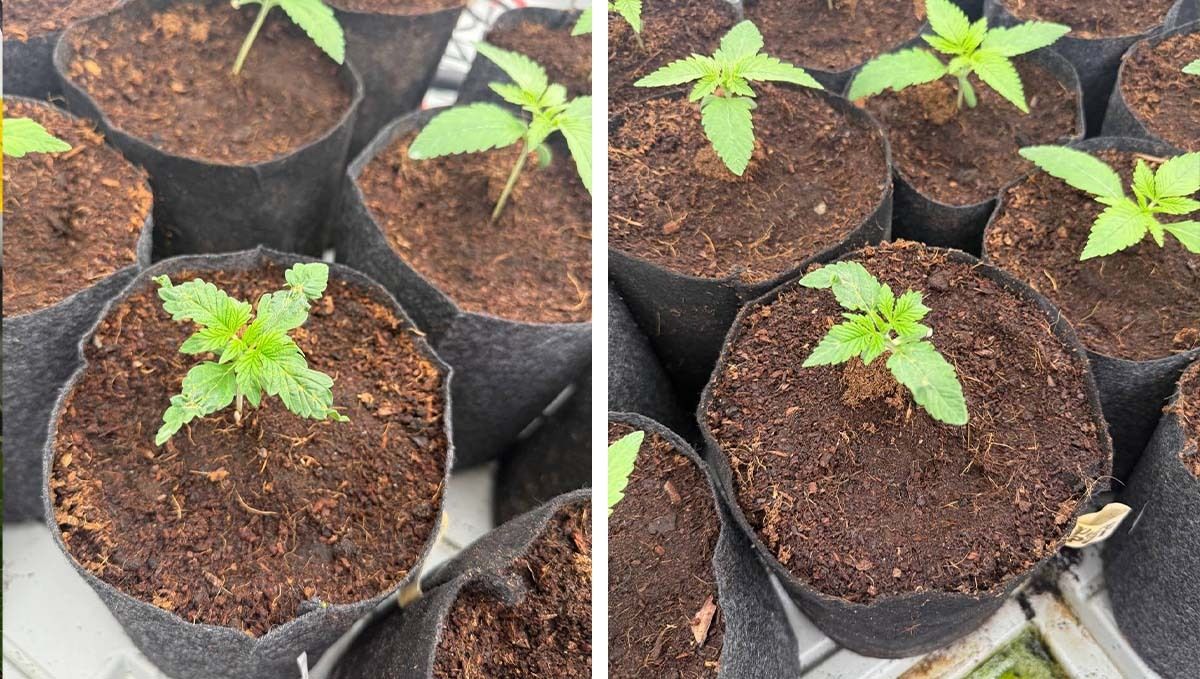
From here, the focus shifts to careful observation. We continue monitoring development closely, removing any undesirable expressions in structure or behavior. At the same time, we highlight the strongest performers. The plants that consistently show vigorous growth, structural balance, and solid genetic strength become the foundation for the next stage of the cycle.
Stay tuned for further updates as Cherry Cola Auto continues to develop.
Reversal Phase Begins
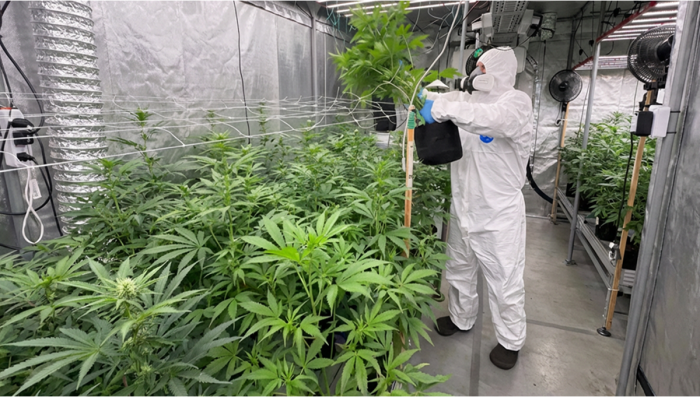
The time has come for the first STS application, and all future fathers have been relocated to a separate controlled area for this stage. Isolation during spraying is essential to maintain safety and precision throughout the process.
All treatments are carried out strictly in protective suits and masks. STS is a highly reactive and toxic compound, and proper safety protocol is non-negotiable. Controlled handling ensures both team safety and consistency of application.
The first heavy spray is the foundation of the entire reversal process. Coverage must be thorough, with every leaf visibly wet. This initial application plays a critical role in signaling the plant to begin transitioning from female expression toward male development.
At this stage, precision and timing define the outcome. A strong and properly executed first application significantly increases the probability of achieving a stable and complete reversal. From here, we move into observation mode, carefully monitoring plant response over the coming days.
The first mistakes and the resulting selection.
After about a week, we noticed in time that part of our plants began showing the problems on the leaf surface, such as burn marks on the leaf tissue.
After investigating, we discovered that the system controlling pH and nutrient delivery in this grow room had malfunctioned. For about three days, an unstable and uncontrolled dose of nitric acid and fertilizers was being supplied, and the plants reacted immediately to this failure.
As a result, the system was brought back to normal, and we unfortunately had to say goodbye to the affected plants.
At times, it’s hard to part with some plants, but that’s the nature of any production. The rules are simple: strict selection — only the best remain, those that have passed all criteria. In our case, resistance to stress is just as important a factor.
Pre-flowering and plant arrangement.
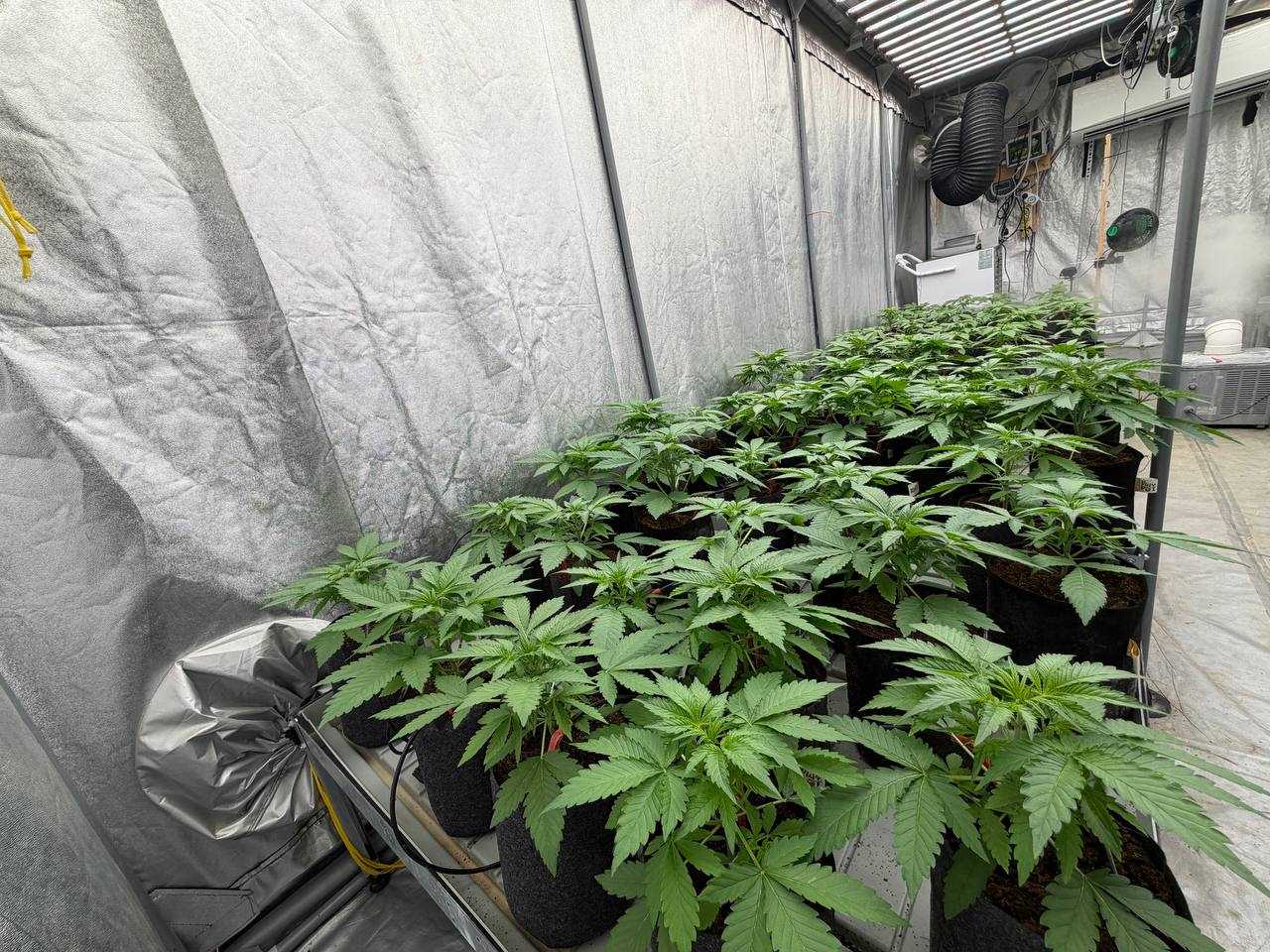
At a time when the father plants have already gone through several rounds of spraying and are beginning to enter the pre-flowering stage, the mother plants are only just transitioning from vegetation into flowering. During this period, the plants begin to consume a lot of energy, expand rapidly, and produce their first stigmas.
Although this strain is known for its compact growth and relatively small size, it’s still important to arrange the plants in a way that ensures each one has enough space and remains comfortable.
The beginning of flowering.
In just a week, we can already see how rapidly the plants have expanded and filled out with foliage. Now our task is to make sure all the mother plants are comfortable in the space - removing excess leaves to improve airflow between the plants and ensure that each cola receives enough light.
The next stage is selection based on plant structure. Since this is a purple strain, the selection at this point will be fairly straightforward - we need to level all the plants in terms of height, structure, and flowering timing so that they are as uniform as possible. In the end, 20% of the plants were removed at this stage.
The main selection will take place later, where we will divide the plants into several groups: early Purple and standard-timing Purple. This will result in two genotypes that are very similar to each other, but differ in how quickly they develop their coloration. At this stage, we are left with around 90 plants out of the initial 154.
Preparation for pollination.
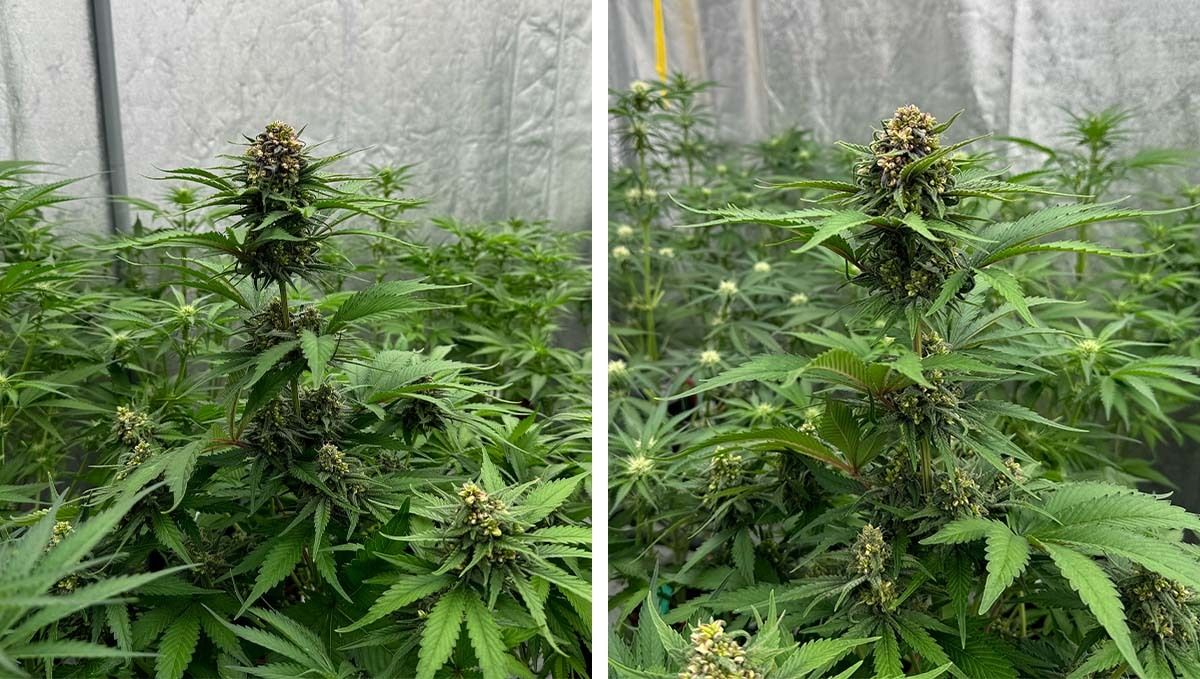
In just a week, the plants have once again filled out with foliage, which could interfere with pollen reaching the middle and lower colas. Therefore, we will remove the bulk of the leaves to ensure better pollination.
And here we have - the mother plants are ready for pollination, the stigmas have opened and ready to get a polen, and in the same time fathers are filling their sacs with pollen, just ready to polinate the mothers.
In just a few days, the father plants will begin to open their pollen sacs and release the pollen they have produced. Take a look at this stunning color and the swelling pollen sacs - they are just about to burst and begin fertilizing the mother plants.
Active Pollination Phase
Following the opening of the pollination window, we moved into a structured and consistent pollination phase. For approximately two weeks, the entire room was actively pollinated, making full use of the available pollen from the selected fathers. The goal at this stage was simple. Maximize coverage and ensure that every receptive site received pollen.
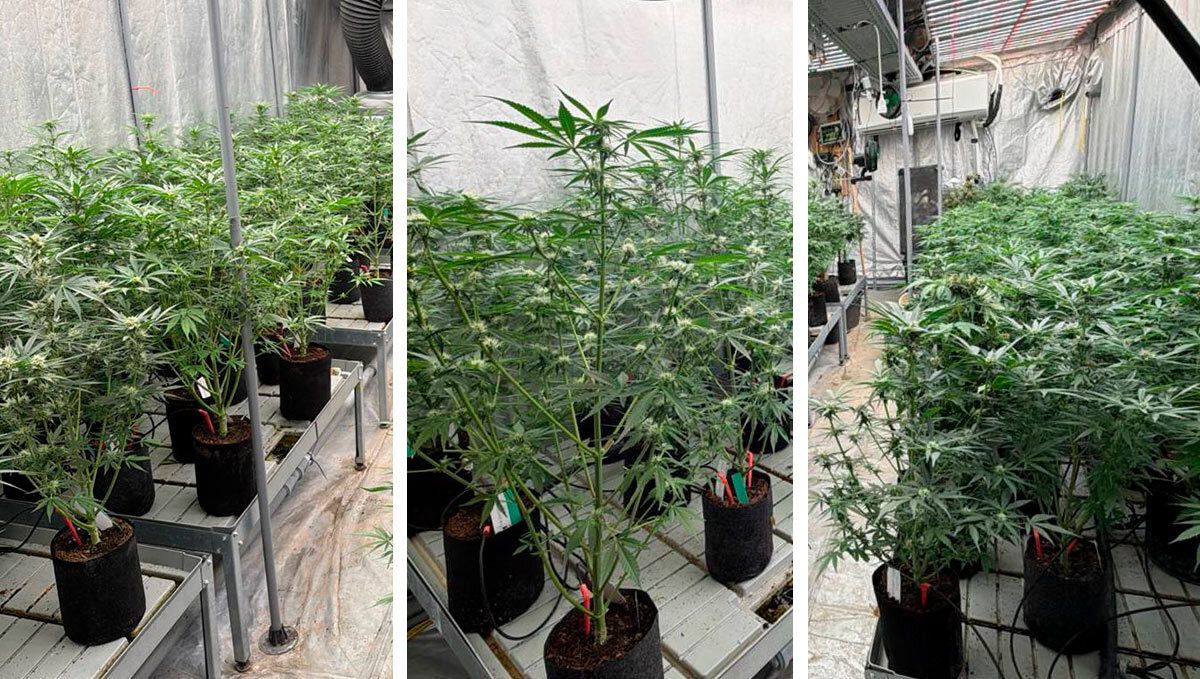
During this period, we focused on maintaining stability. No additional stress was introduced. We avoided any defoliation or structural changes while pollination was ongoing. Even though the canopy became quite dense and space was limited, preserving a calm and stable environment was more important than making adjustments.
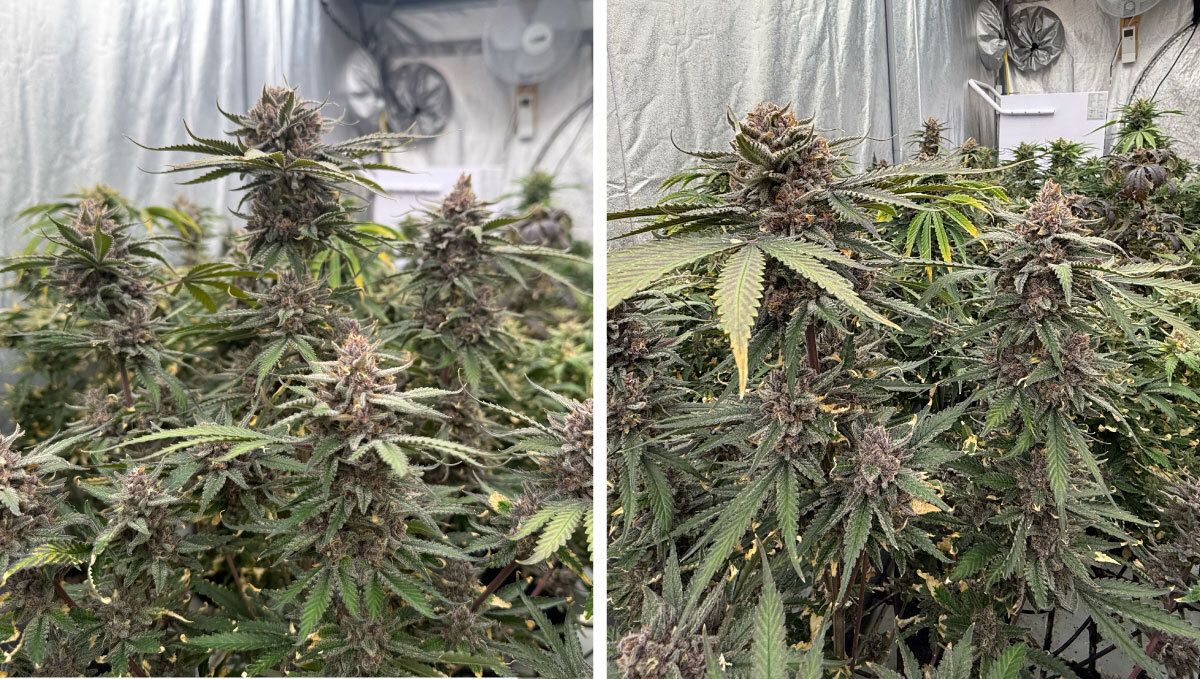
In the photo collages, you can clearly see the progression of growth and development throughout this phase. The plants continued to build structure while simultaneously moving into seed formation.
Post-Pollination Development
After the pollination phase, we performed defoliation to open up the canopy. It became clear that areas with limited light exposure had weaker side colas. However, once the leaves were removed and light penetration improved, these zones began to recover and continue their development.
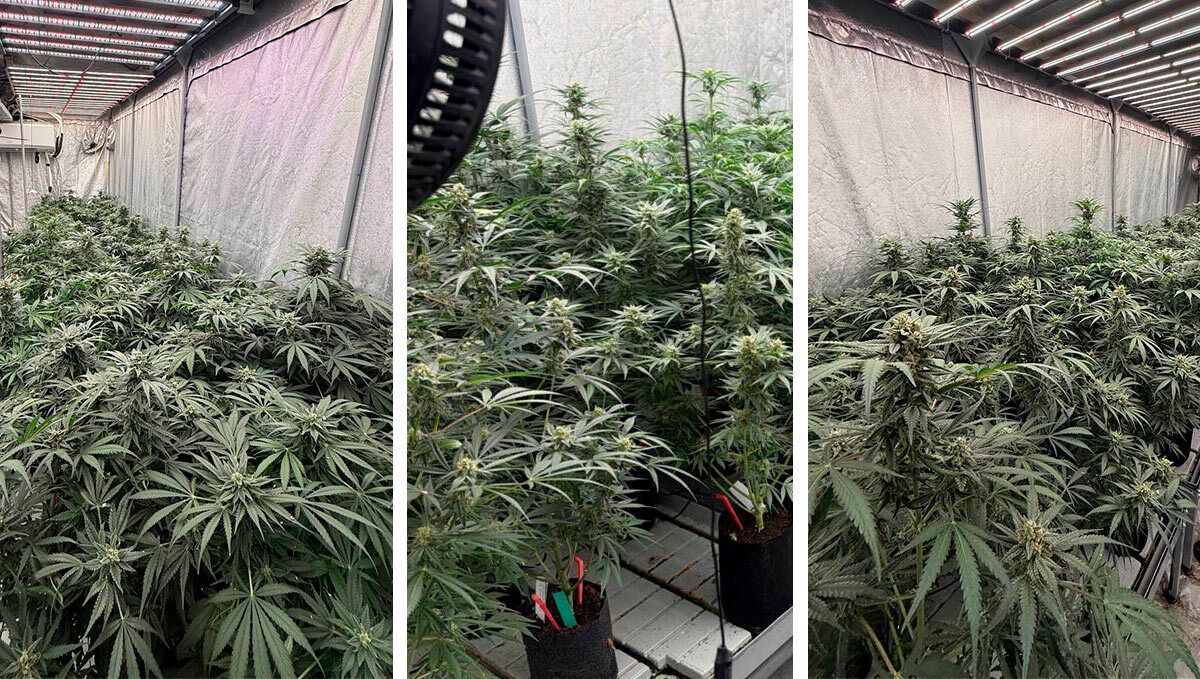
This stage highlights how responsive the plants are when given proper conditions. Even delayed areas can catch up once the structure is corrected.
Seed Formation & Flower Development
As time progressed, seed development became clearly visible. The plants shifted their energy toward building and maturing seeds, while the flowers continued to gain mass around them.
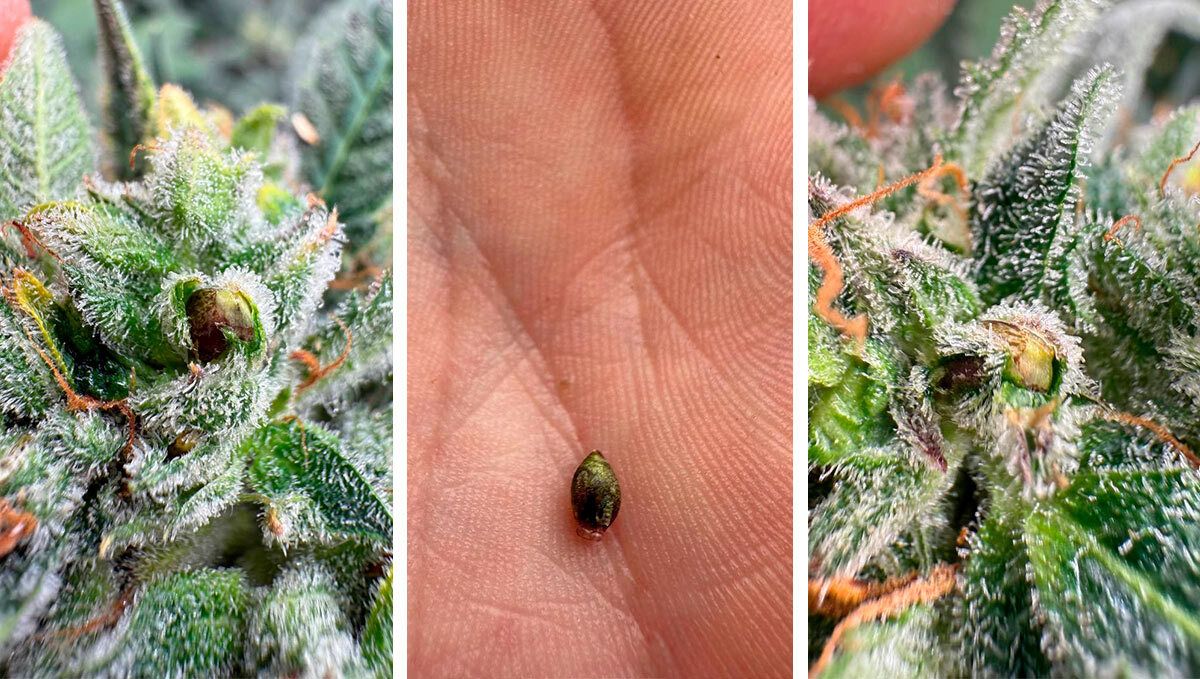
It is important to understand that a seed production cycle differs significantly from a flower-focused cycle. If these plants were grown purely for flowers, the buds would be larger. However, in this case, energy is redirected into seed formation, which defines the final structure of the plant.
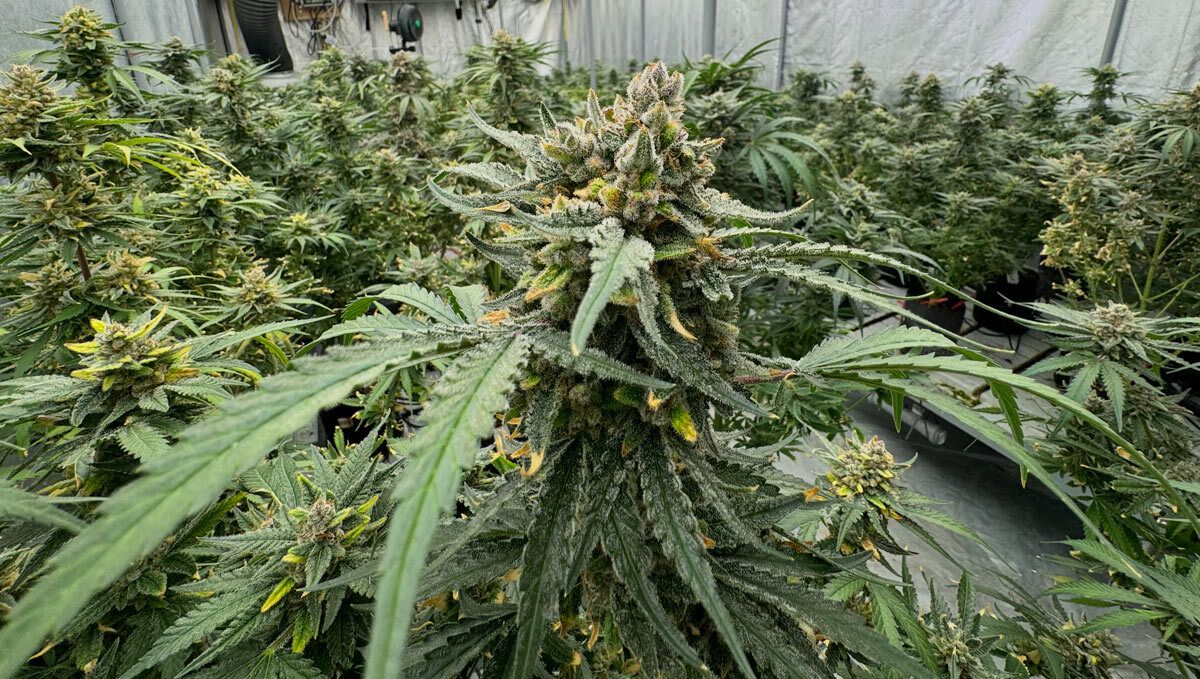
Final Stage
At this moment, we are entering the final stage of the cycle. The plants now require time to fully mature and complete their development. Approximately three weeks remain before harvest.
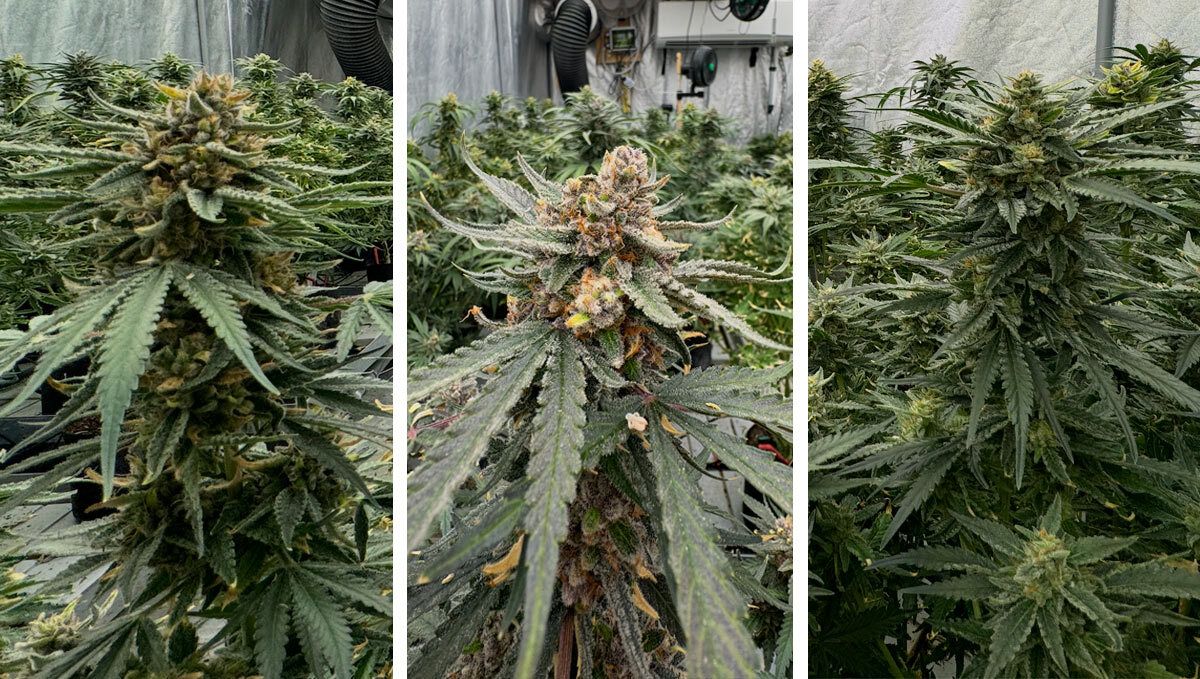
From here, the process becomes more about patience than intervention. Allowing the plants to finish properly is key to achieving a stable and high-quality final result.
Final Stage — Ripening and Phenotype Reveal
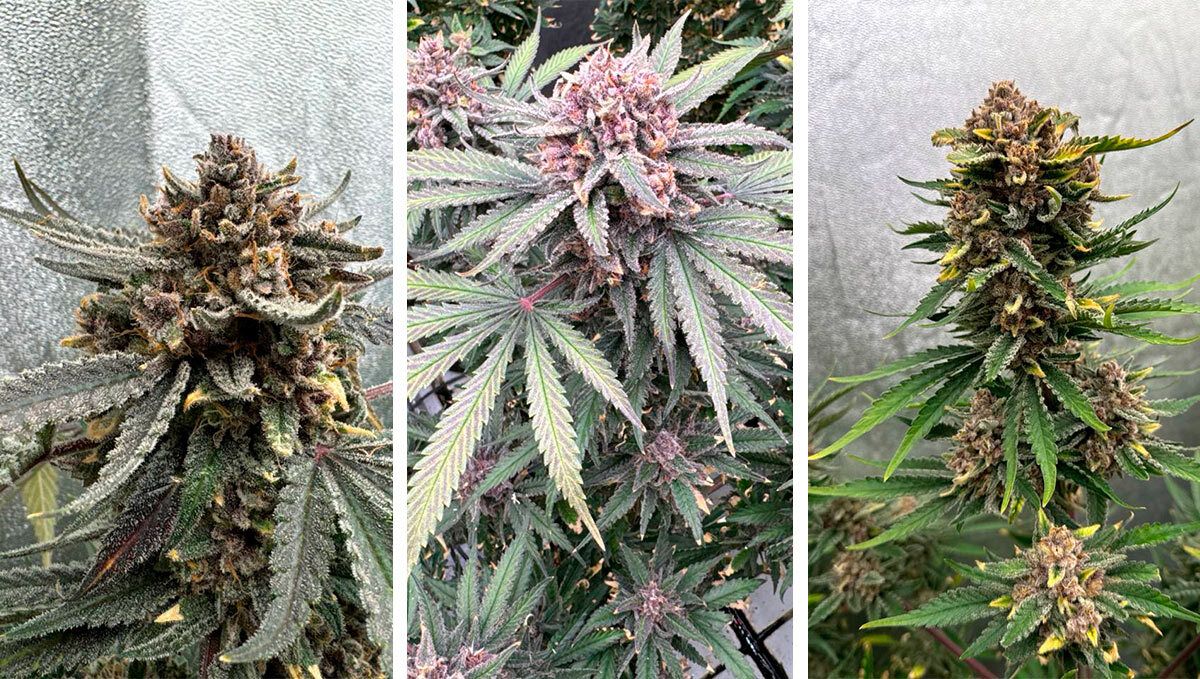
At this final stage, you can literally watch the plants change day by day and settle into their true expression. Colors begin to shift, with pink and purple hues bleeding into the canopy toward the end of the cycle, and the room fills with a sharp, sweet‑sour aroma that tells you the resin and terpenes are at their peak.
The tops are fully packed with seeds, sitting on beautifully structured plants that hold their shape all the way to the finish. This is the perfect timing to shoot final photos of each individual, capture their look at full maturity, and record the data for every tagged number before harvest.
From here, the main task is to patiently wait out the last stretch under controlled “autumn” conditions: temperatures are lowered and light intensity is gently reduced to guide the plants toward a clean finish. It is also crucial not to overwater at this point - the goal is to avoid stagnant moisture and any risk of root rot, since at this stage the plants are already drinking significantly less.
See you at the testing stage - that’s where these phenotypes will really have to prove themselves.
Final Moments Before the Cut
And here it is, the moment of harvest for Cherry Cola has finally arrived. After a long cycle of growth, selection, pollination, and seed development, the plants have reached their final stage.
In the video, you can see the condition of the plants just moments before harvest. The flowers are fully matured, the structure is complete, and the entire room carries the final expression of the cycle. What makes this moment special is how quickly everything changes. Less than half an hour after this footage was taken, the plants were already hanging in the drying room.
Harvest always marks a strange transition. One phase ends immediately, while the next one begins just as fast. The energy of the room completely changes the moment the plants are cut down.
The next step now is patience. We wait for the plants to dry properly before moving into the first stage of seed processing. Once drying is complete, the seeds will go through their initial cleaning and preparation phase before the next round of testing begins.
This is where the cycle closes and the future generation officially begins.
FAQ
The distinctive purple pigmentation is one of the defining characteristics of Cherry Cola Auto. Breeders carefully select plants that develop rich, consistent coloration while maintaining strong growth and overall stability.
The objective is to retain the cultivar's compact structure, vibrant coloration, and distinctive sweet fruit-forward aroma while improving uniformity and reliability. Every generation is selected to strengthen these defining characteristics without changing the identity of the strain.
Not all plants develop their coloration at exactly the same rate. By evaluating both early- and standard-coloring phenotypes, breeders can identify the most stable expressions while preserving the signature appearance that makes Cherry Cola Auto unique.
Every father contributes half of the genetics to the next generation, so only the most vigorous, stable, and consistent individuals are chosen. Reducing the population to just a few elite pollen donors helps improve uniformity in future seed production.
Young autoflowering plants are highly sensitive during early development. Keeping light intensity moderate encourages root establishment and healthy vegetative growth without introducing unnecessary stress.
Breeders are looking for genetics that remain stable under changing environmental conditions. Plants that react poorly to minor fluctuations are unlikely to deliver consistent performance in future generations.
During pollination, maintaining a stable environment is more important than altering plant structure. Minimizing stress helps maximize fertilization and supports even seed development throughout the entire plant.
Once pollination is complete, improving light penetration and airflow allows lower branches to continue developing efficiently. This creates more uniform seed maturation across the entire plant.
When producing seeds, plants naturally redirect much of their energy toward seed development instead of maximizing flower size. As a result, cultivation practices are adjusted to support healthy seed maturation rather than peak flower production.
Harvest only marks the end of one breeding cycle. Every selected phenotype must still prove its stability, vigor, and overall performance through additional cultivation trials before becoming part of future breeding work.
Comments