




Cherry Cola Auto: The Next Generation Takes Shape
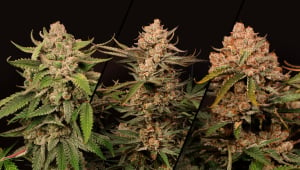
Several months ago, this room looked very different.
It was filled with carefully selected parent plants whose sole purpose was to produce the next generation of Cherry Cola Auto seeds. Every selection, every pollination, and every decision was made with one objective in mind: improving the genetics without losing the identity that made this line unique.
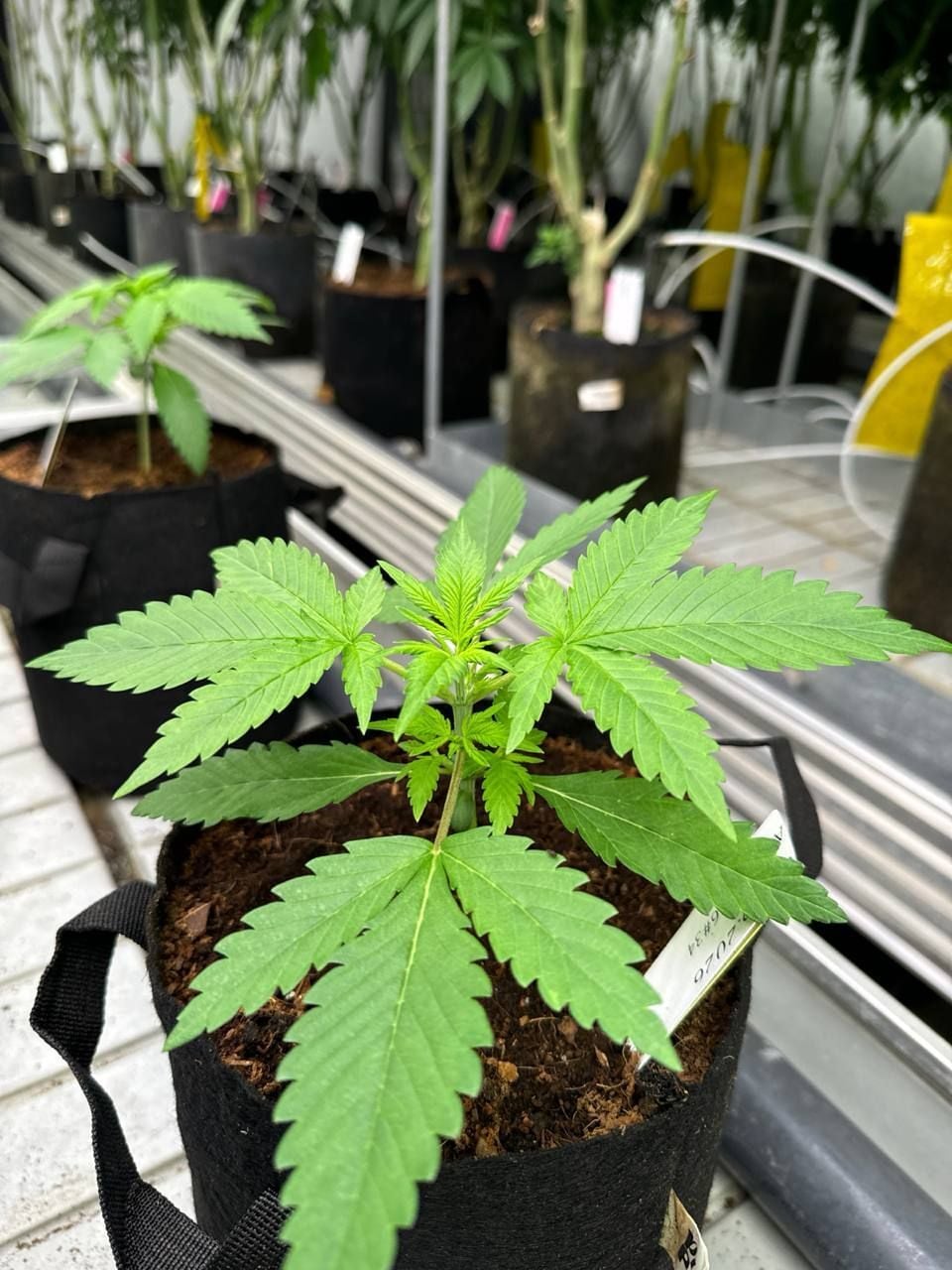
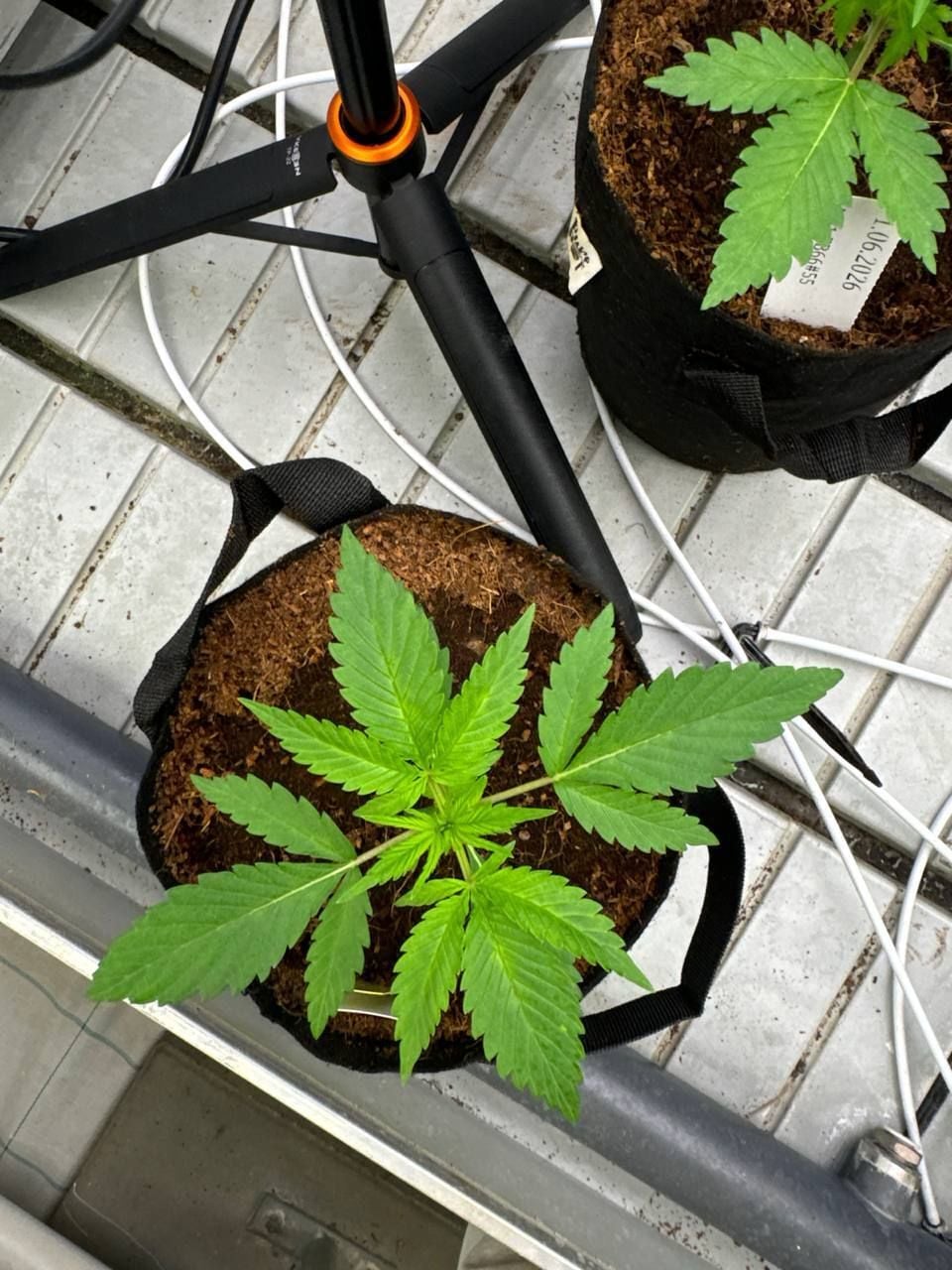
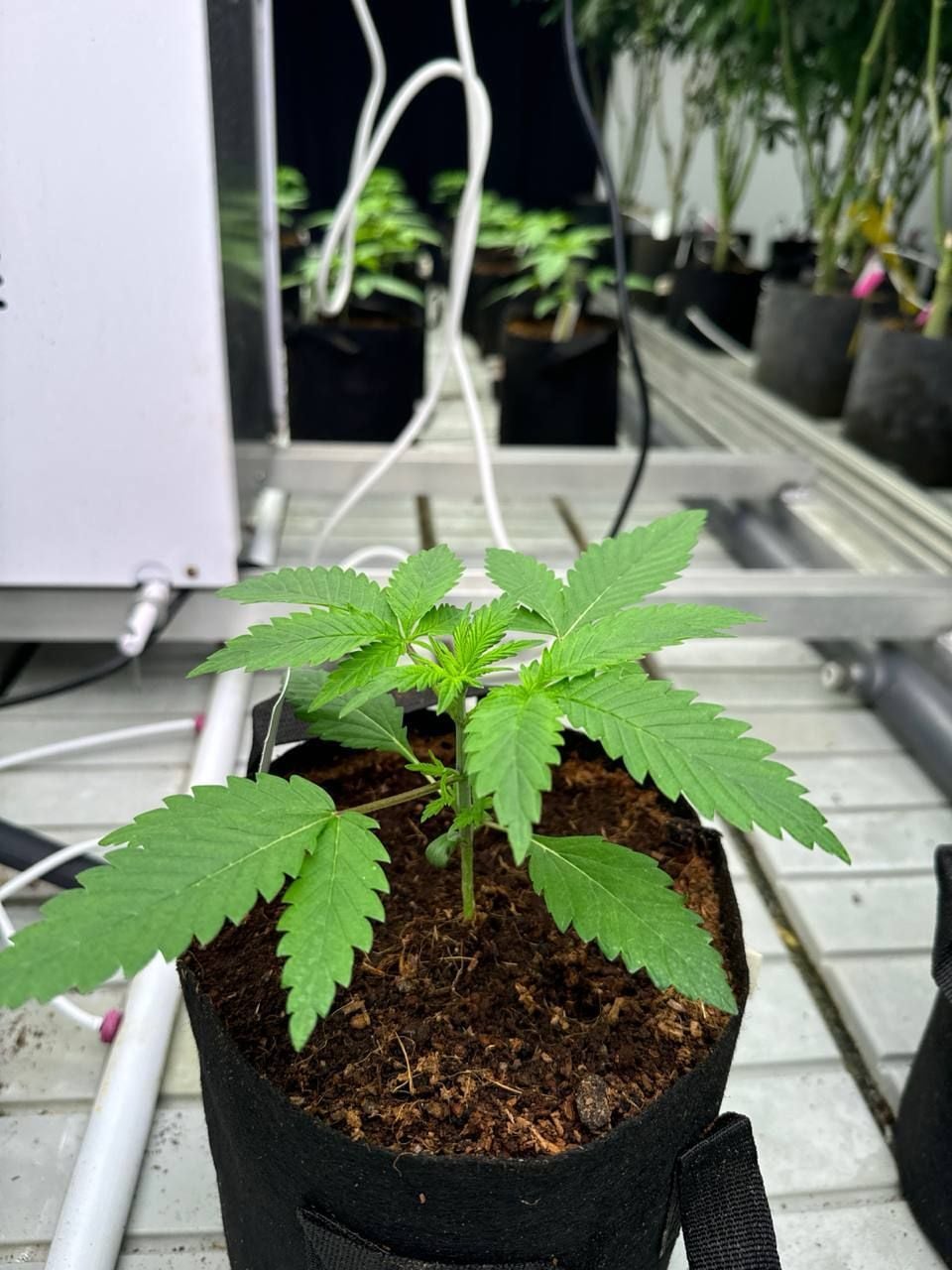
Now those seeds have returned. Not as a product, but as a new generation ready to answer one important question. Did our breeding decisions work?
The Children of the Previous Cycle
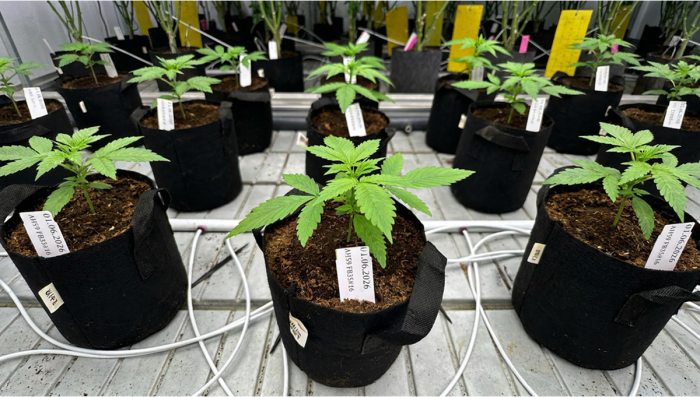
Every seedling growing in this room comes directly from the selected Cherry Cola Auto parents featured in our last production cycle.
Those parents weren't chosen because they looked impressive on their own. They were chosen because we believed they could consistently pass on the characteristics we were looking for: compact structure, reliable vigor, and the distinctive purple expression that defines Cherry Cola Auto.
Now it's time to see whether those expectations become reality.
Breeding is full of assumptions. Testing is where those assumptions either survive or disappear.
Week Two: Where Patterns Begin
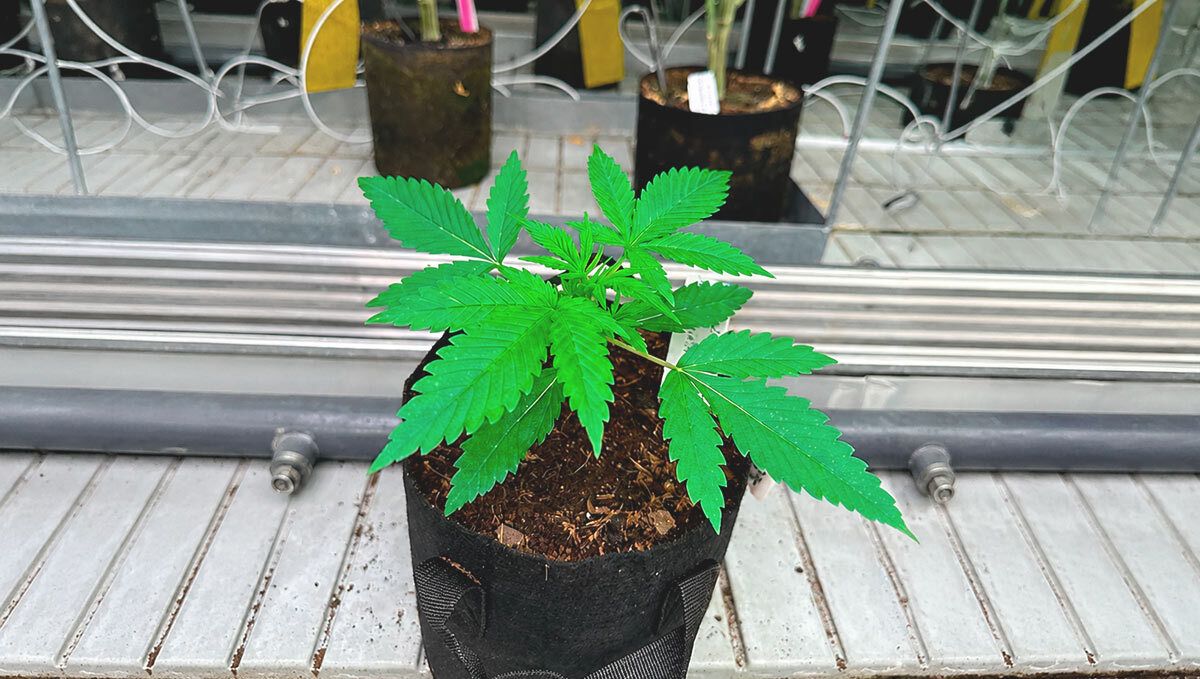
The plants are only entering their second week of vegetation, but this stage already tells us far more than most growers realize.
Uniform emergence, balanced leaf development, symmetrical branching, and consistent growth rates all point toward one thing: predictable genetics.
When dozens of seedlings begin developing at nearly the same pace, it suggests that the previous generation successfully reduced unnecessary variation within the population.
That consistency is exactly what we're trying to build with every cycle.
Looking Beyond Purple
Most people associate Cherry Cola Auto with its deep purple flowers. We do too. But color alone is never enough.
Our objective is to create plants that don't just finish purple, but reach that expression in a consistent and predictable way while maintaining the structure, health, and productivity expected from the line.
Some individuals naturally develop pigmentation earlier, while others require slightly more time. During the previous breeding cycle, we intentionally preserved these closely related expressions instead of forcing them into a single profile.
This generation allows us to evaluate whether those expressions remain stable and repeatable.
Stability Under Observation
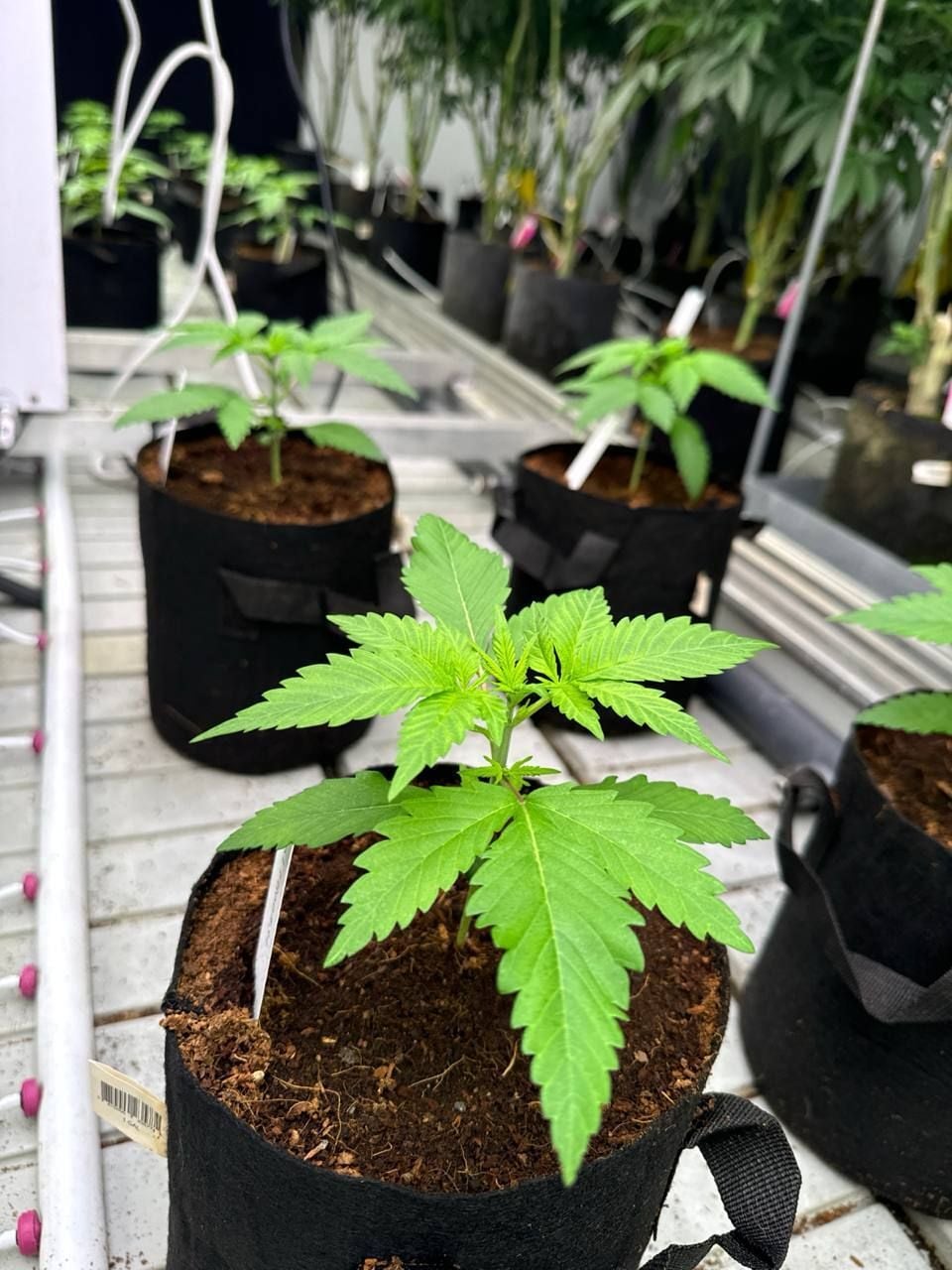
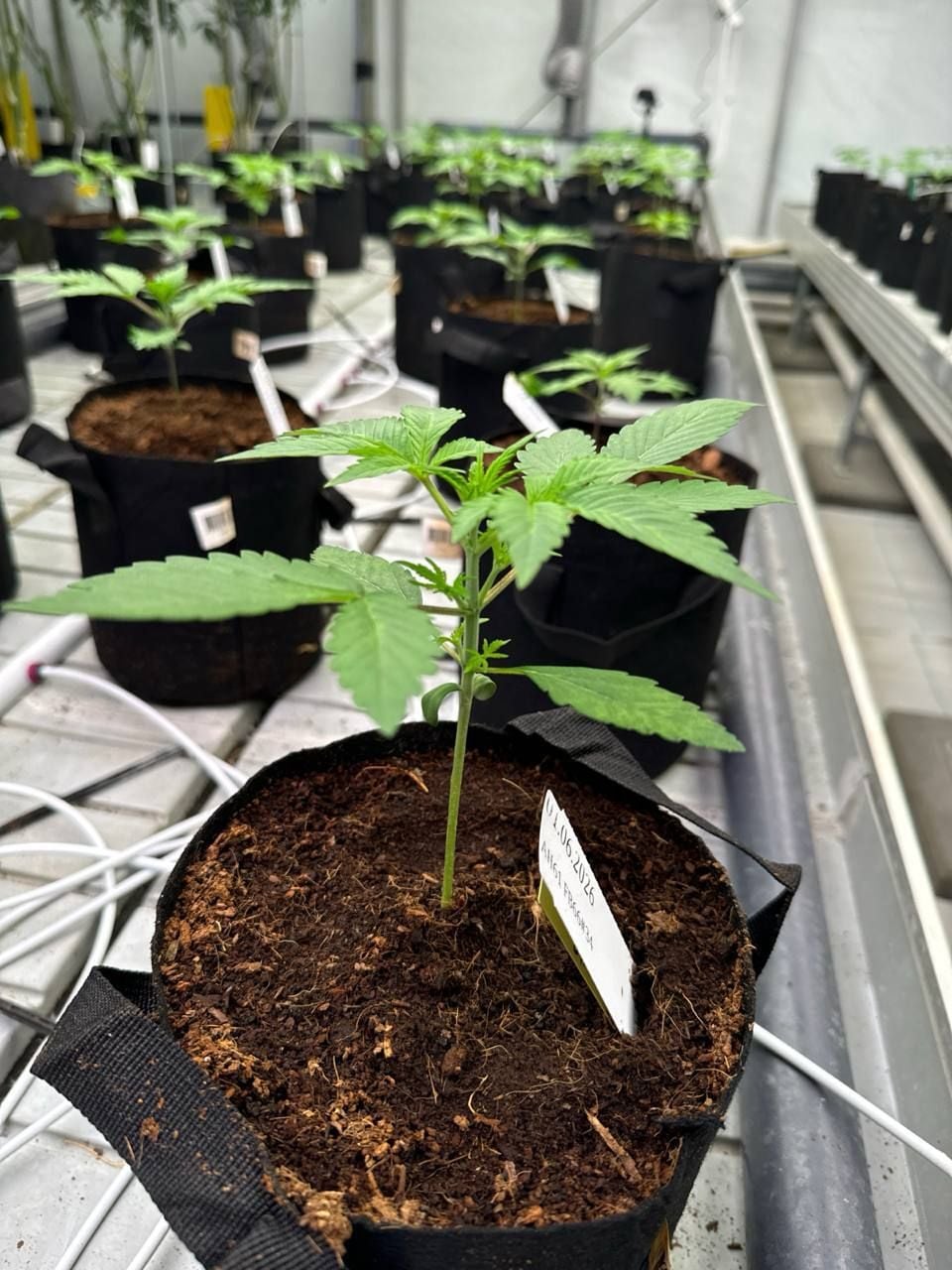
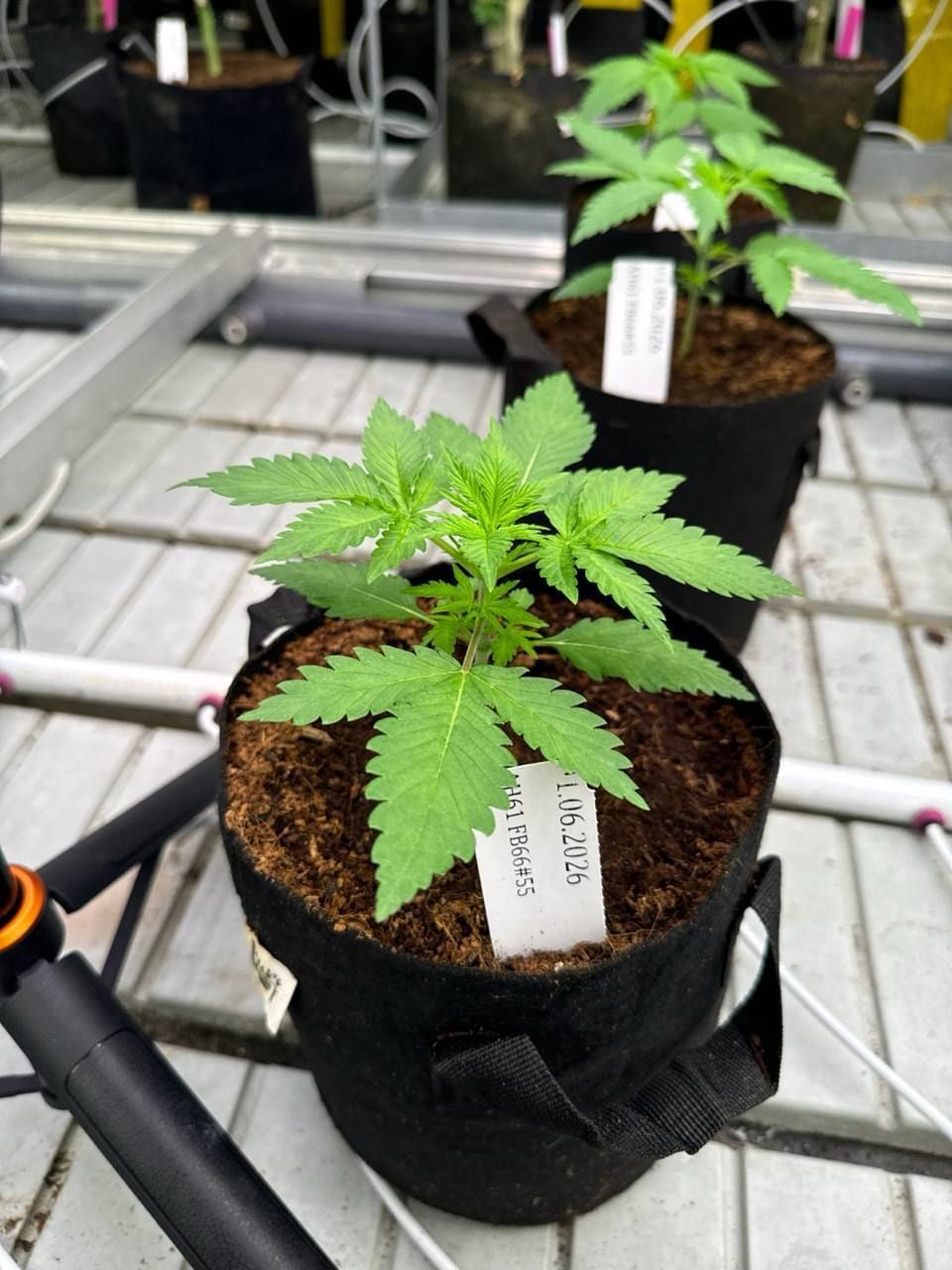
At this stage, we're not pushing the plants to their limits.
Instead, we're giving every individual the same environment, the same nutrition, and the same opportunity to express its genetic potential.
Only when conditions are equal can differences truly be attributed to genetics.
As development continues, every plant will be monitored for structural consistency, growth rhythm, stress response, and overall health. Small differences that appear early often become much more significant later in flowering, making these first weeks one of the most valuable parts of the entire evaluation process.
Every Generation Raises the Standard
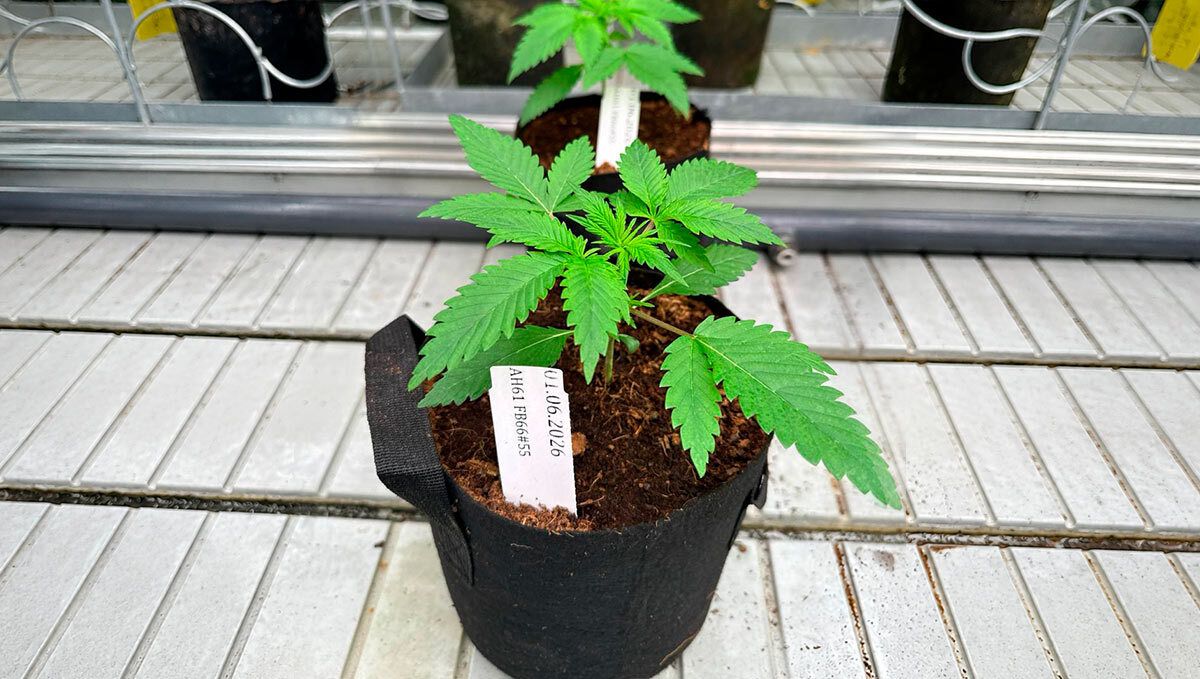
One of the biggest misconceptions about breeding is that improvement happens in large leaps. In reality, it happens through hundreds of small decisions. One generation grows a little more evenly. The next becomes more predictable. Another improves flowering timing. Another strengthens plant structure.
On their own, those improvements may seem subtle. Together, they gradually shape a stronger and more reliable genetic line. That's exactly what this testing cycle is designed to measure.
The Work Has Only Begun
Right now, the room is full of possibilities.
Every healthy seedling represents months of work that started long before these plants ever broke through the surface.
Over the coming weeks, we'll continue documenting their development as the population moves through vegetation and into flowering. That's when the differences become clearer, the selections become tougher, and the strongest individuals begin separating themselves from the rest.
Because producing seeds is never the finish line.
It's simply the beginning of the next generation.
Day 26: The Stretch Begins
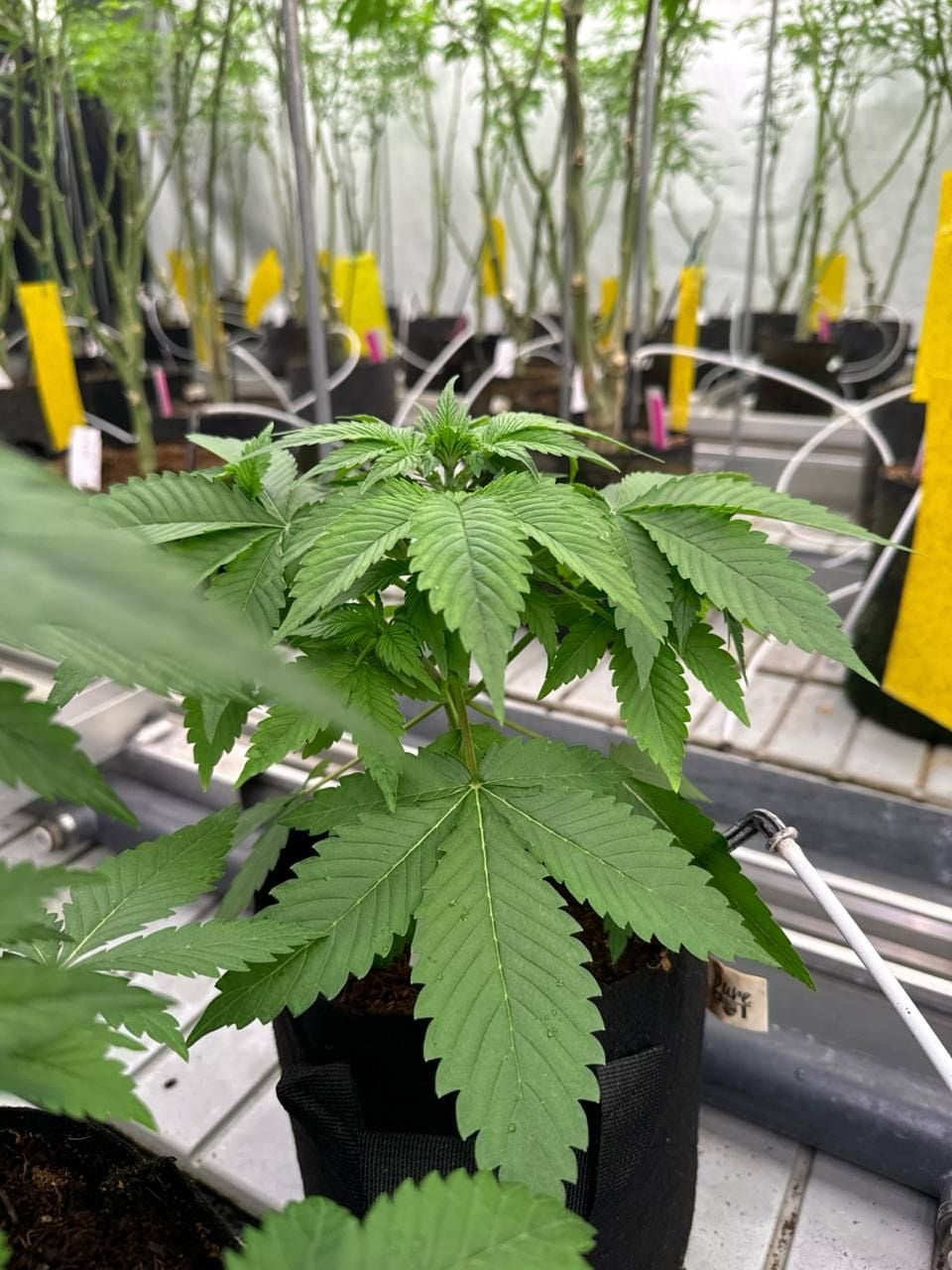
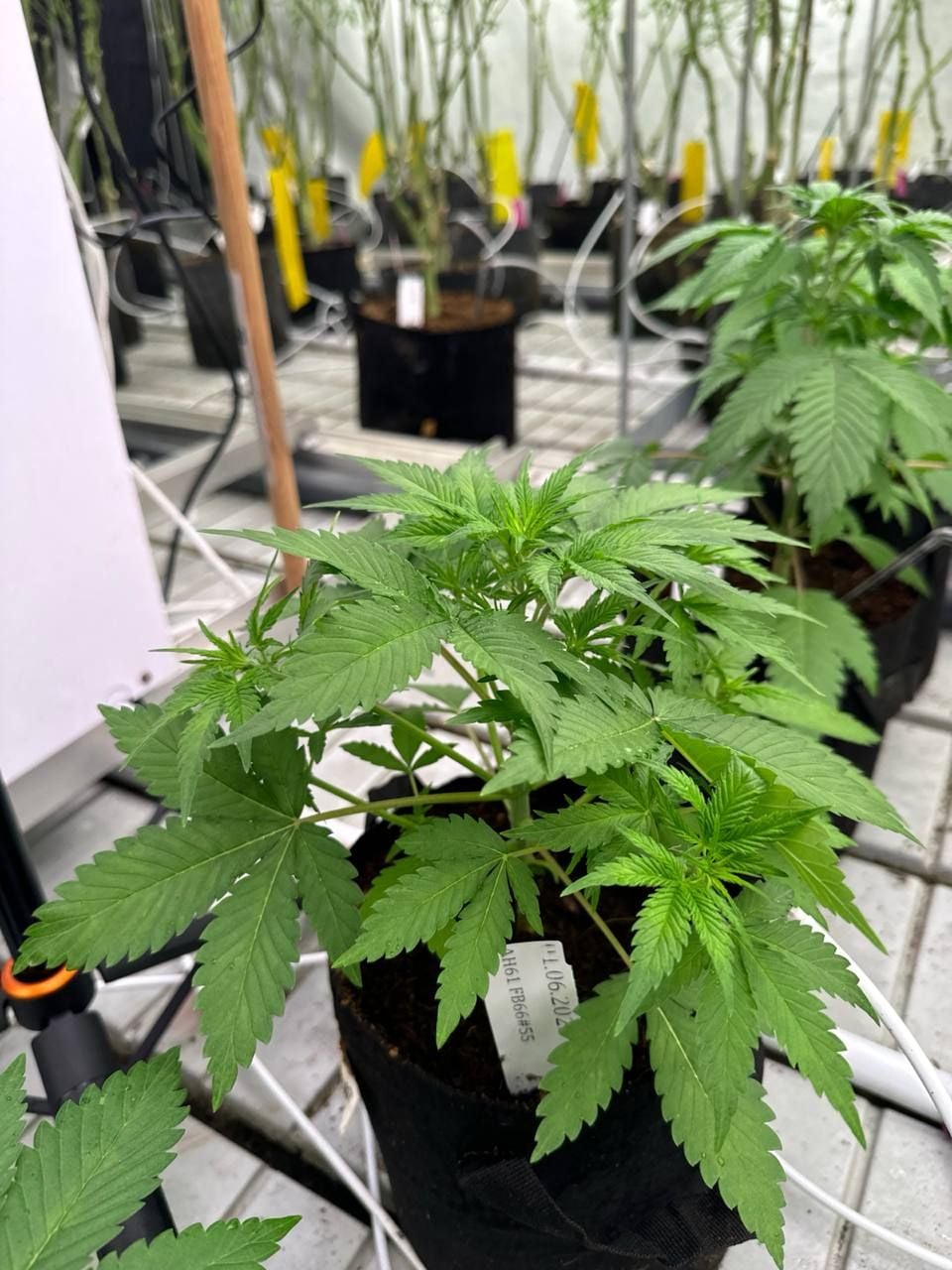
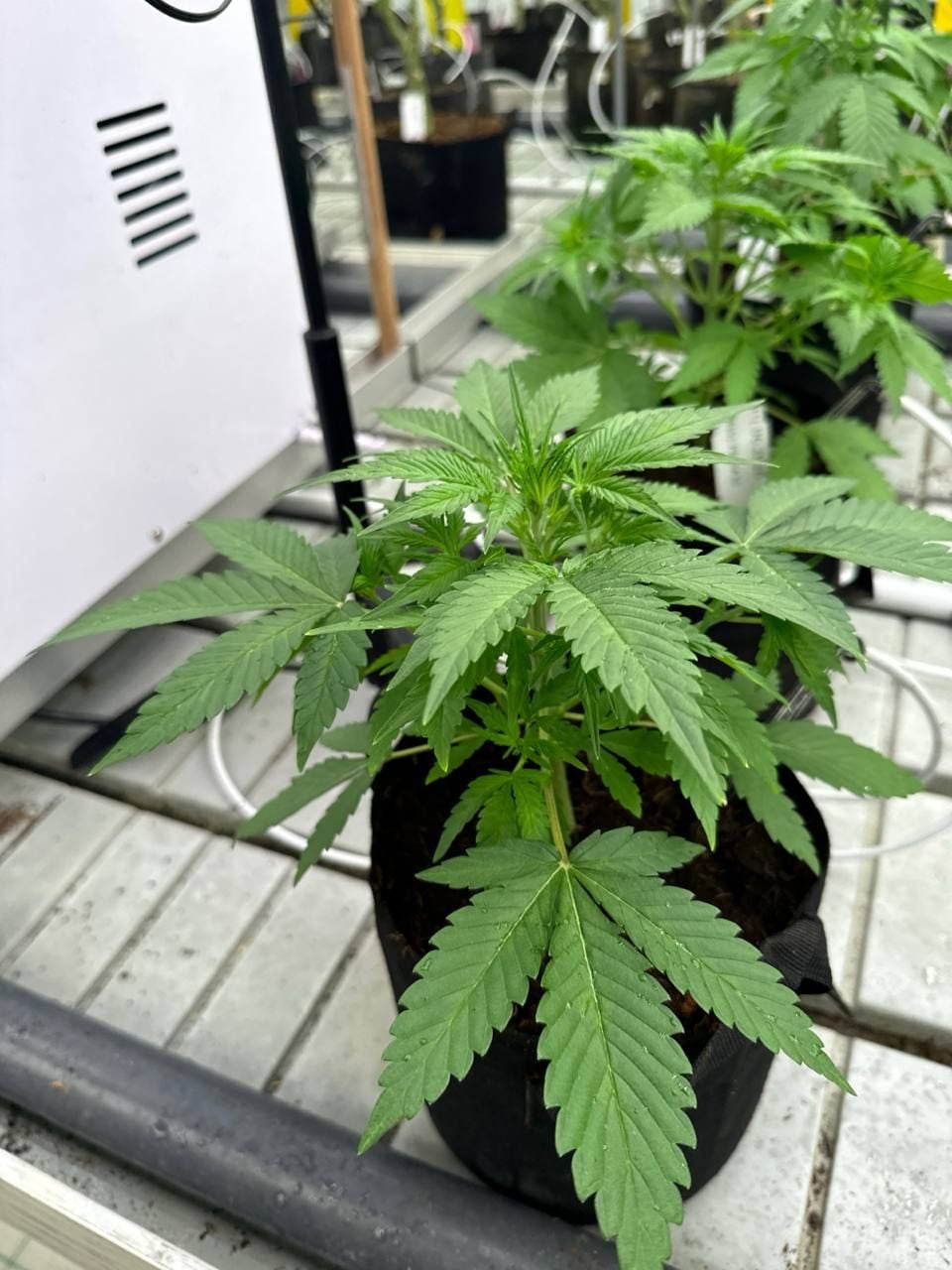
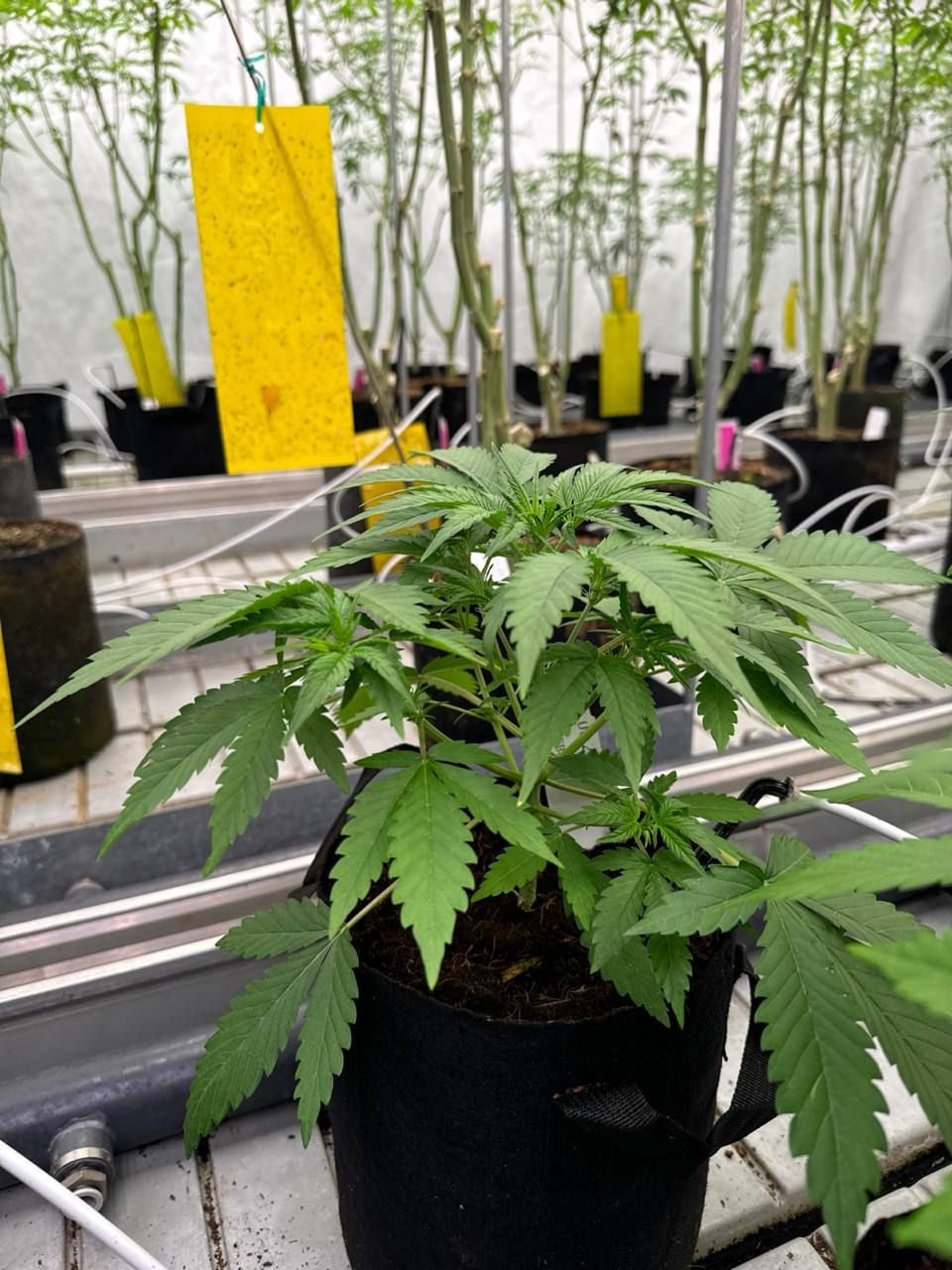
It's day 26 since the seeds first hit the water, and the difference a single week makes is striking. As you can see above, the plants have shot up dramatically in just 7 days, a clear sign they've moved out of the quiet root-building phase and into full-on growth mode.
Biomass is piling on fast. The plants are beginning to stretch and develop strong lateral branching, building the frame that will carry the flowers in the weeks ahead. Everything points to them gearing up for full bloom.
Just as important, development remains stable and consistent across the group. No outliers, no laggards, which is precisely what we want to keep seeing from this F1.
And here's the exciting part: the first stigmas are starting to appear. These tiny white hairs are the earliest indicators of the plant's sex, and showing up this early is exactly the kind of fast-flowering behavior this cross was bred for.
Day 34: The Stretch Continues
The plants keep stretching and refining their final shape, while the flower clusters continue to build. The true stigmas are becoming more prominent by the day, and the bloom is clearly gaining momentum.
With all this growth comes a bigger appetite. The plants are drinking more and becoming more demanding nutritionally, so this is the moment to adjust the watering routine. If you're growing in coco, start irrigating periodically to runoff and don't let the substrate dry out. The goal is a balance: the medium should stay consistently moist, but never waterlogged. This keeps pH and EC stable in the root zone, ensures the plants can take up all available nutrients, and helps prevent deficiencies and salt buildup.
Day 43: Flower Formation Begins
By day 43, vertical growth is done and the plant's structure is set. Right on schedule, the focus has shifted to flower formation: buds are developing more actively, and every site is now covered in stigmas.
This is also the right moment to think about the plant's final shaping. If a plant looks too bushy, consider removing the lower bud sites. Those small, shaded buds rarely amount to much, yet they pull energy away from the top colas and restrict airflow in the lower part of the plant, creating a humid pocket where problems like mold can take hold. Cleaning them out channels resources to where they matter most and keeps the canopy healthy.
Don't forget about irrigation either. Keep monitoring the watering closely and never let the coco dry out. In this substrate a dry-back goes too far very quickly, and the damage shows almost immediately in wilted, discolored leaves, adding unnecessary stress at a stage when the plant should be putting all its energy into flowers.
Day 51: Bulking Up Begins
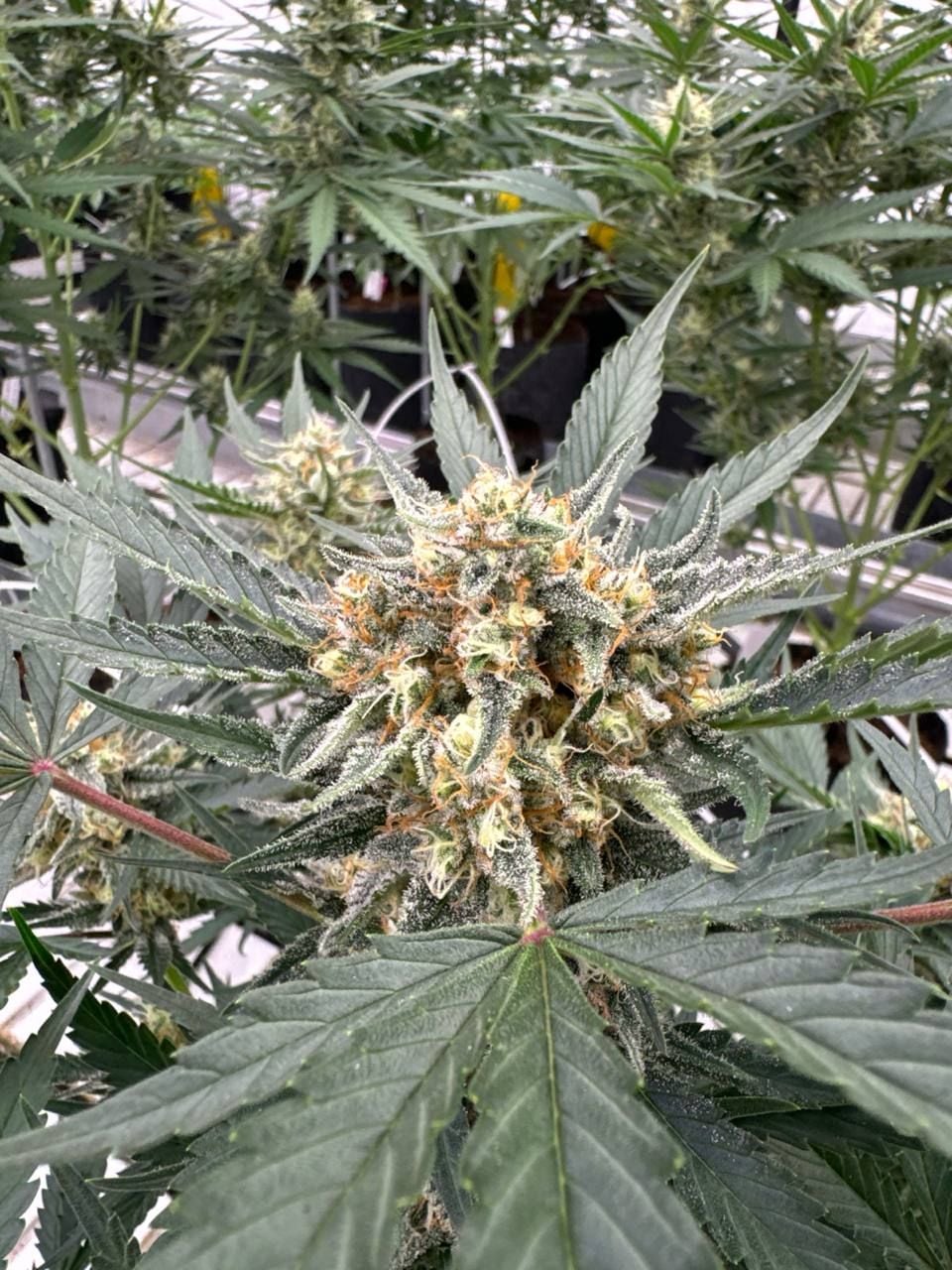
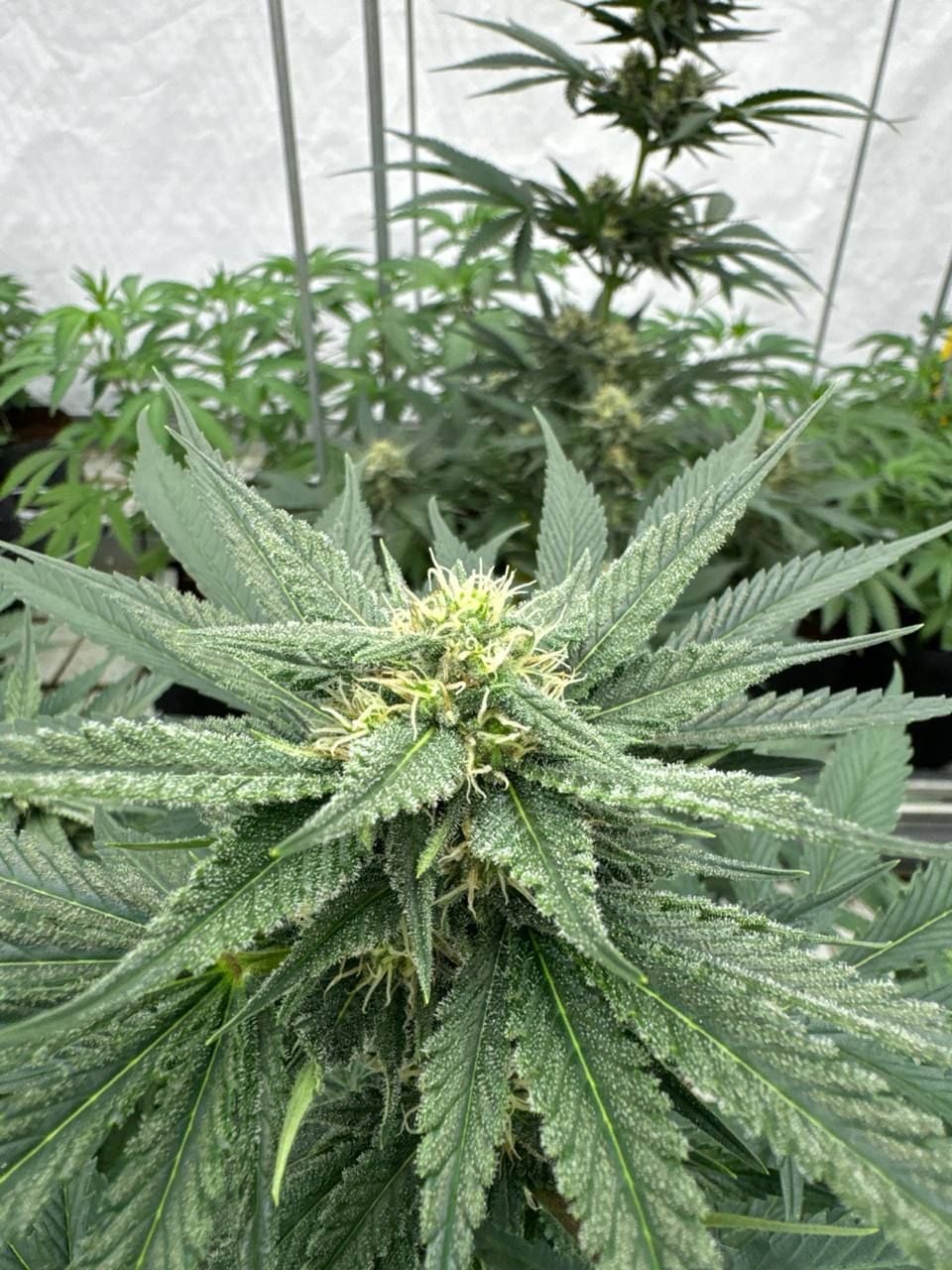
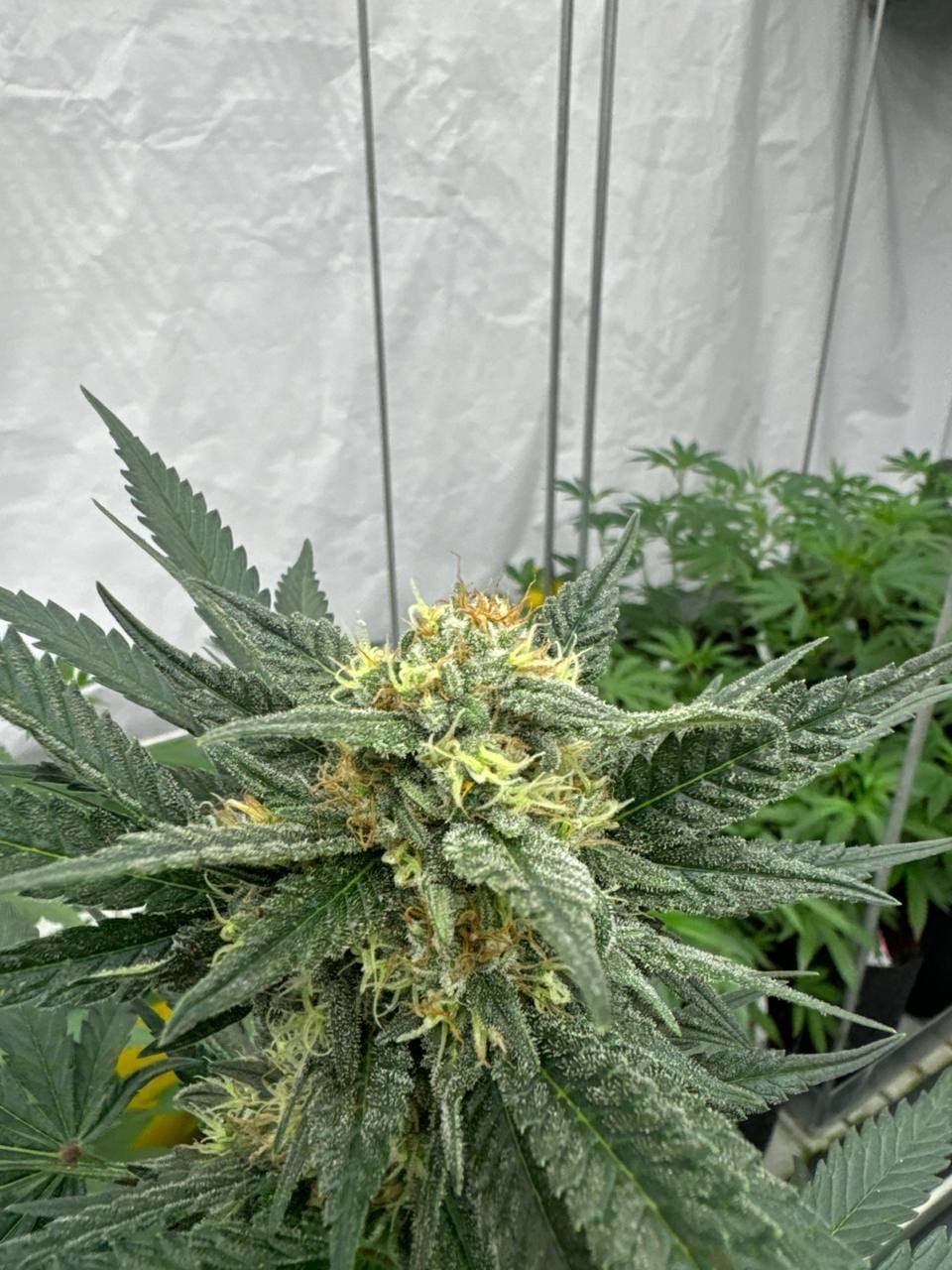
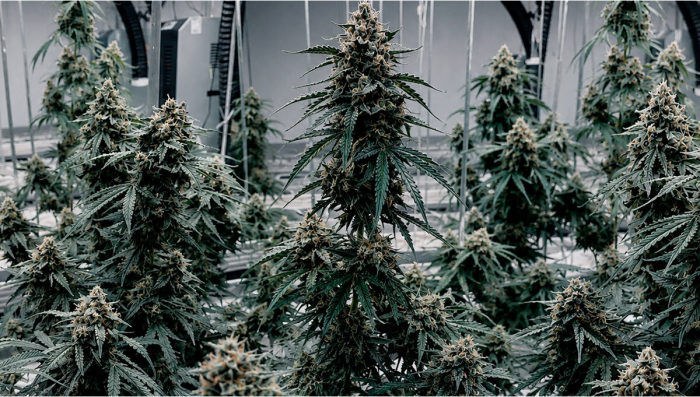
At day 51, the plants have officially entered the bulking phase. The buds are visibly increasing in size, and with every passing day the colas are filling out while the branches grow heavier and more massive to support the extra weight.
Up close, the first trichomes are starting to appear. They're still completely clear at this point, but they mark the beginning of resin production. Along with them come the first hints of aroma, the early terpene signature that will develop and intensify over the coming weeks. For a breeder, this is one of the most exciting moments of the run, as each plant starts revealing its own character.
Day 77: Final Days Before Harvest
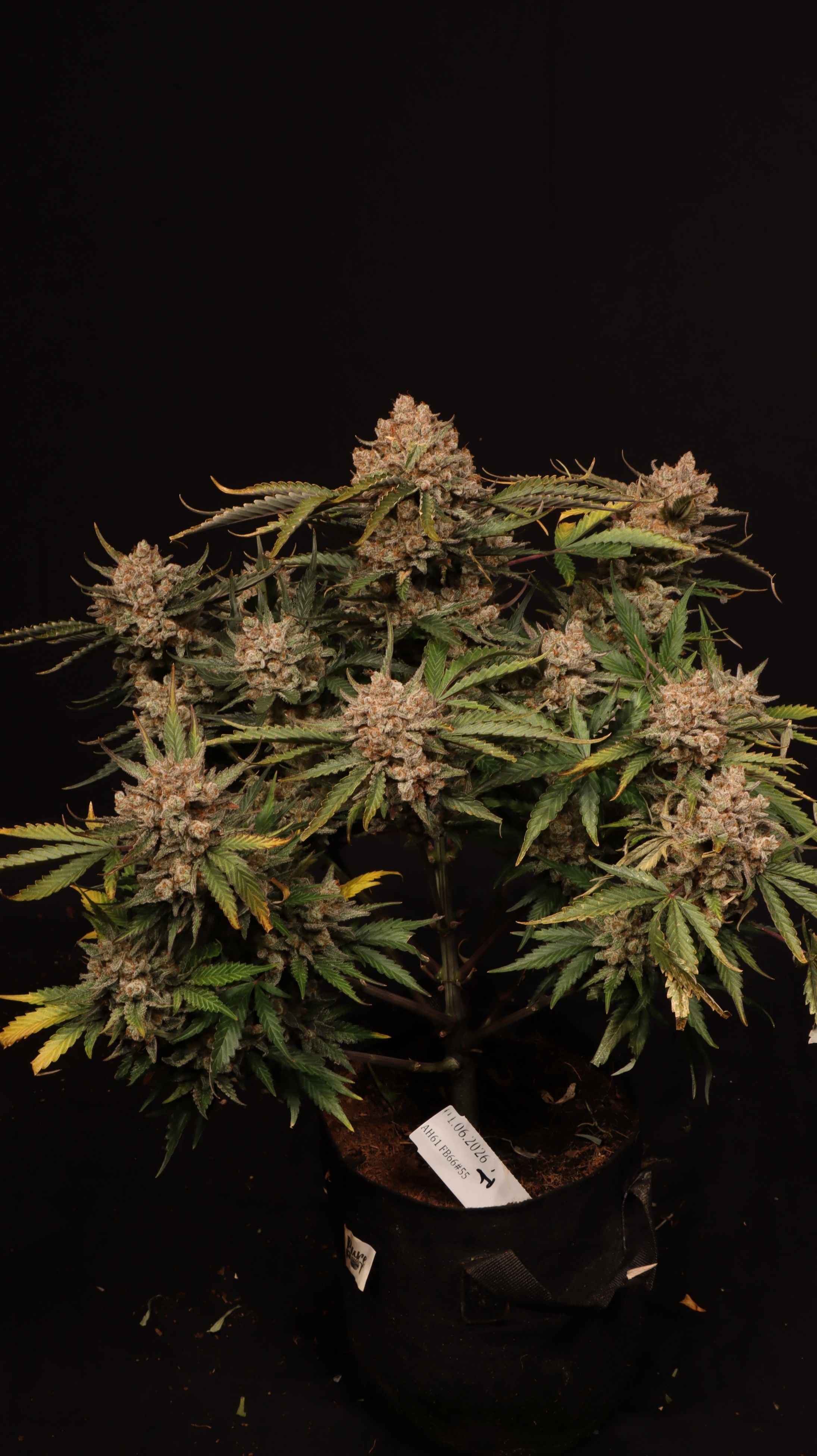
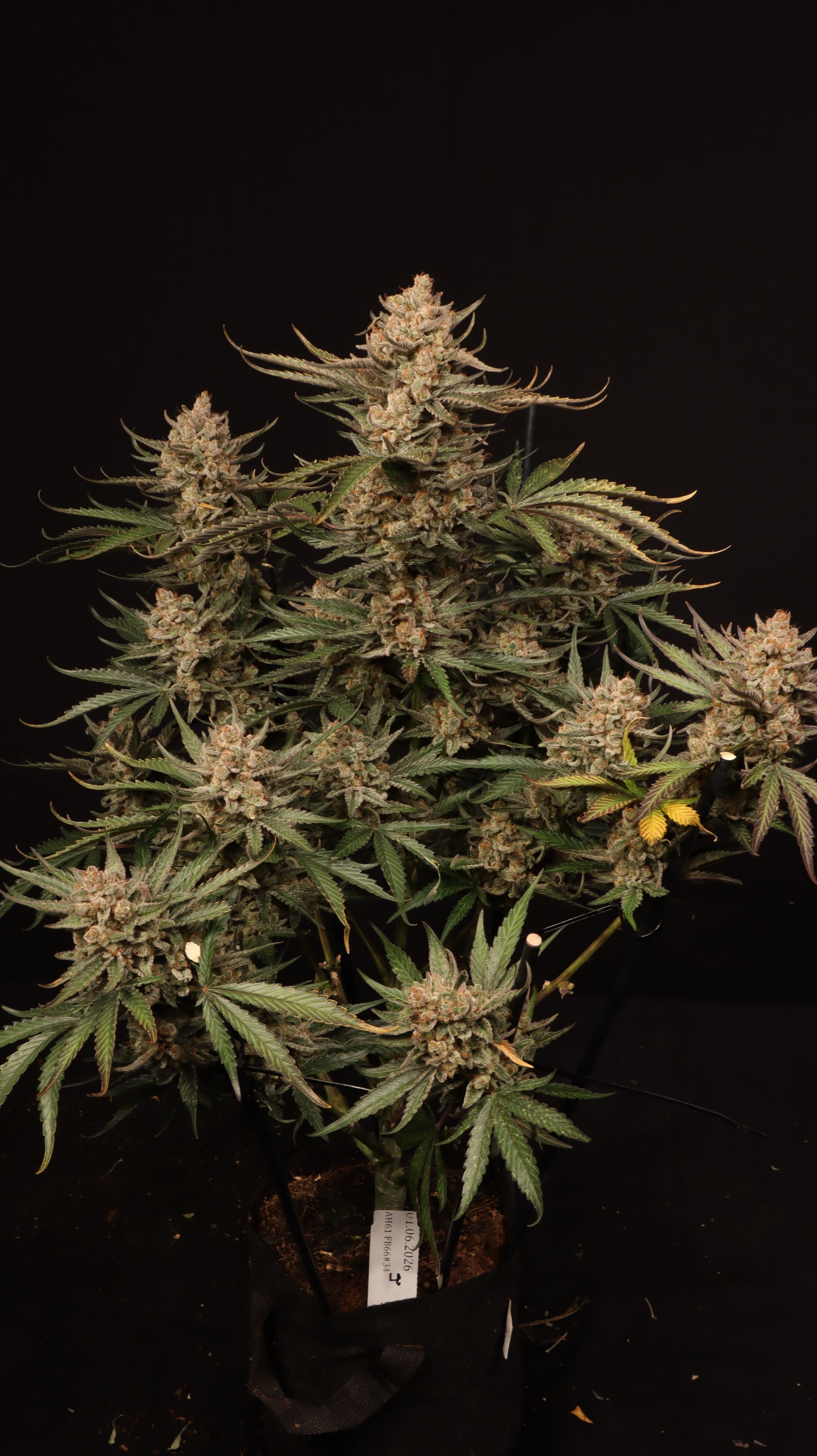
After 3 weeks of ripening, we're finally at the finish line.
The plants have completed a full week of flushing: the first 4 days with plain tap water, followed by 3 days of reverse osmosis water, all kept at a stable pH 5.9-6.1. This clears out residual salts from the substrate and lets the plants finish clean.
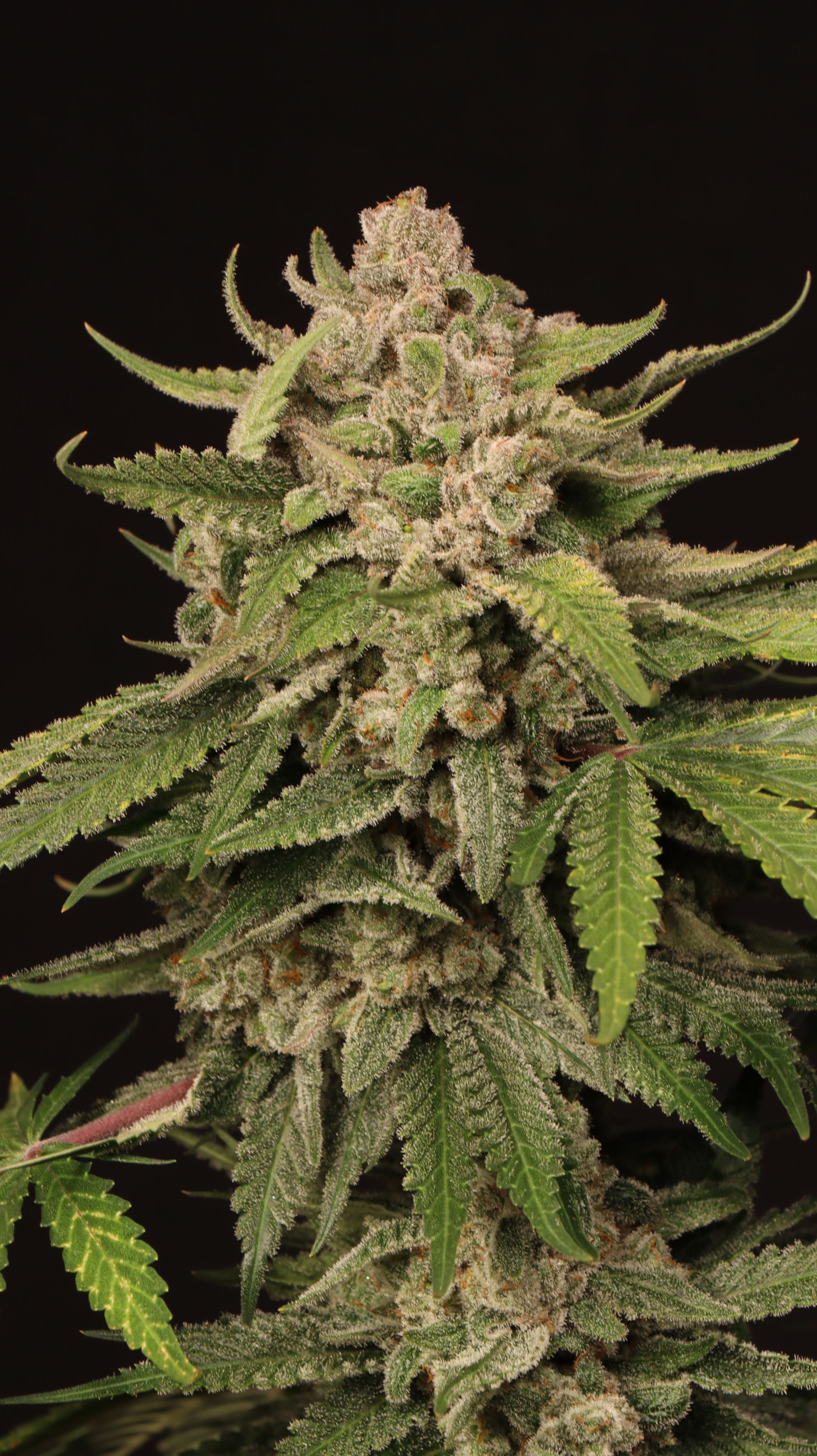
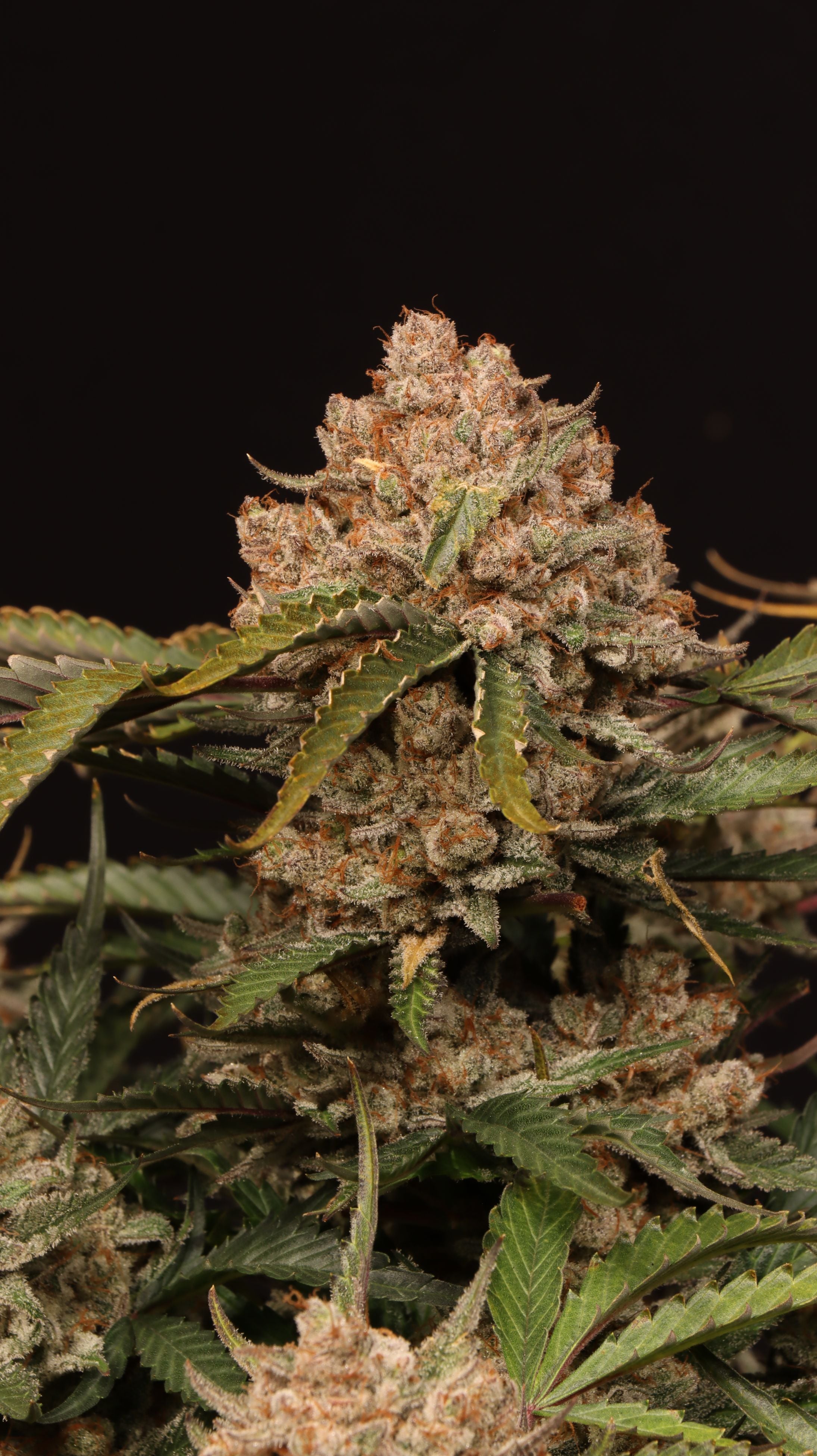
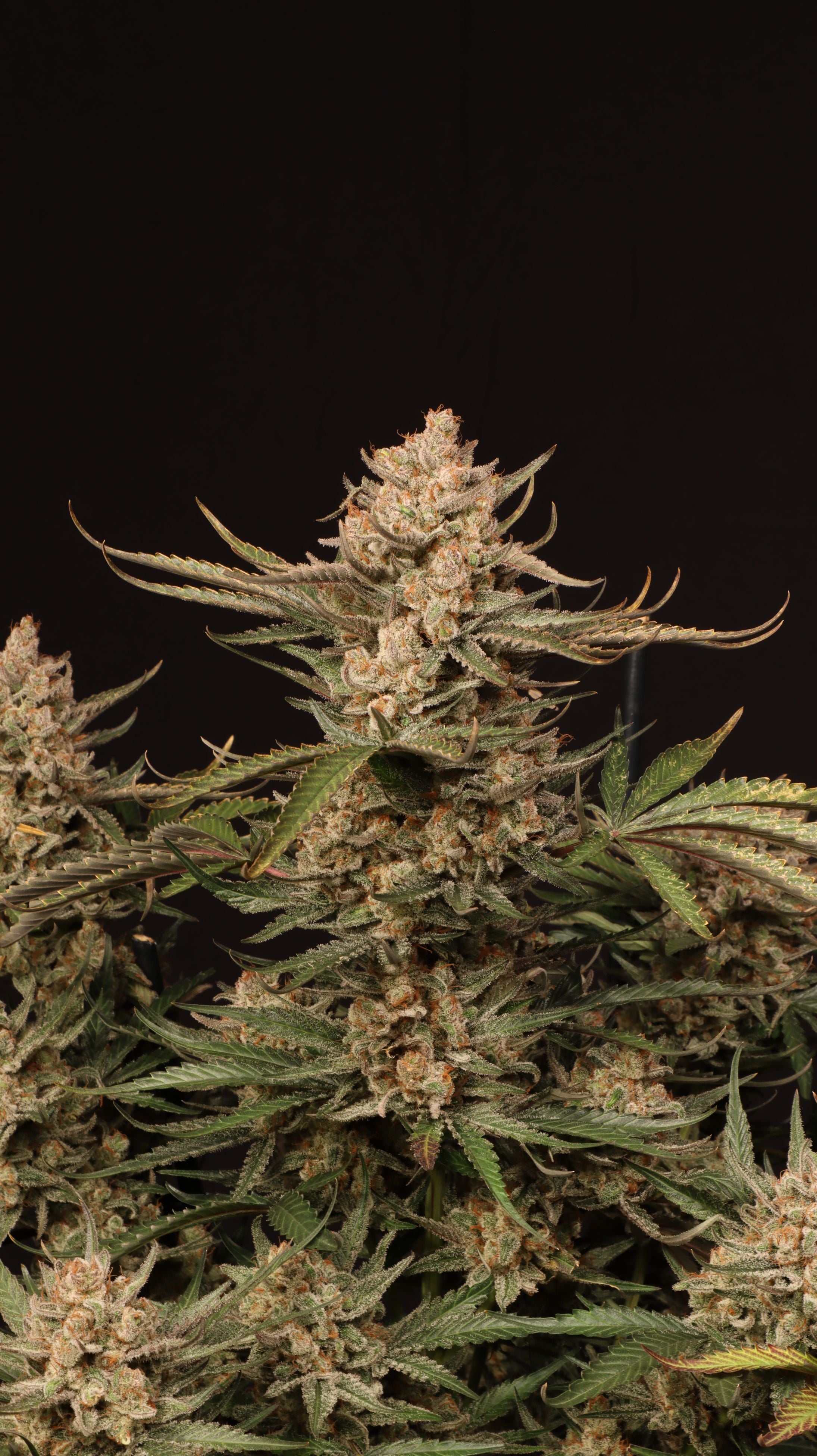
They've also shown their true colors, with a subtle pink hue in the center of the buds. Since these are autoflowers, the intensity varies from plant to plant, some show more, some less, depending on the phenotype, which is exactly the kind of variation we want to document in a test run.
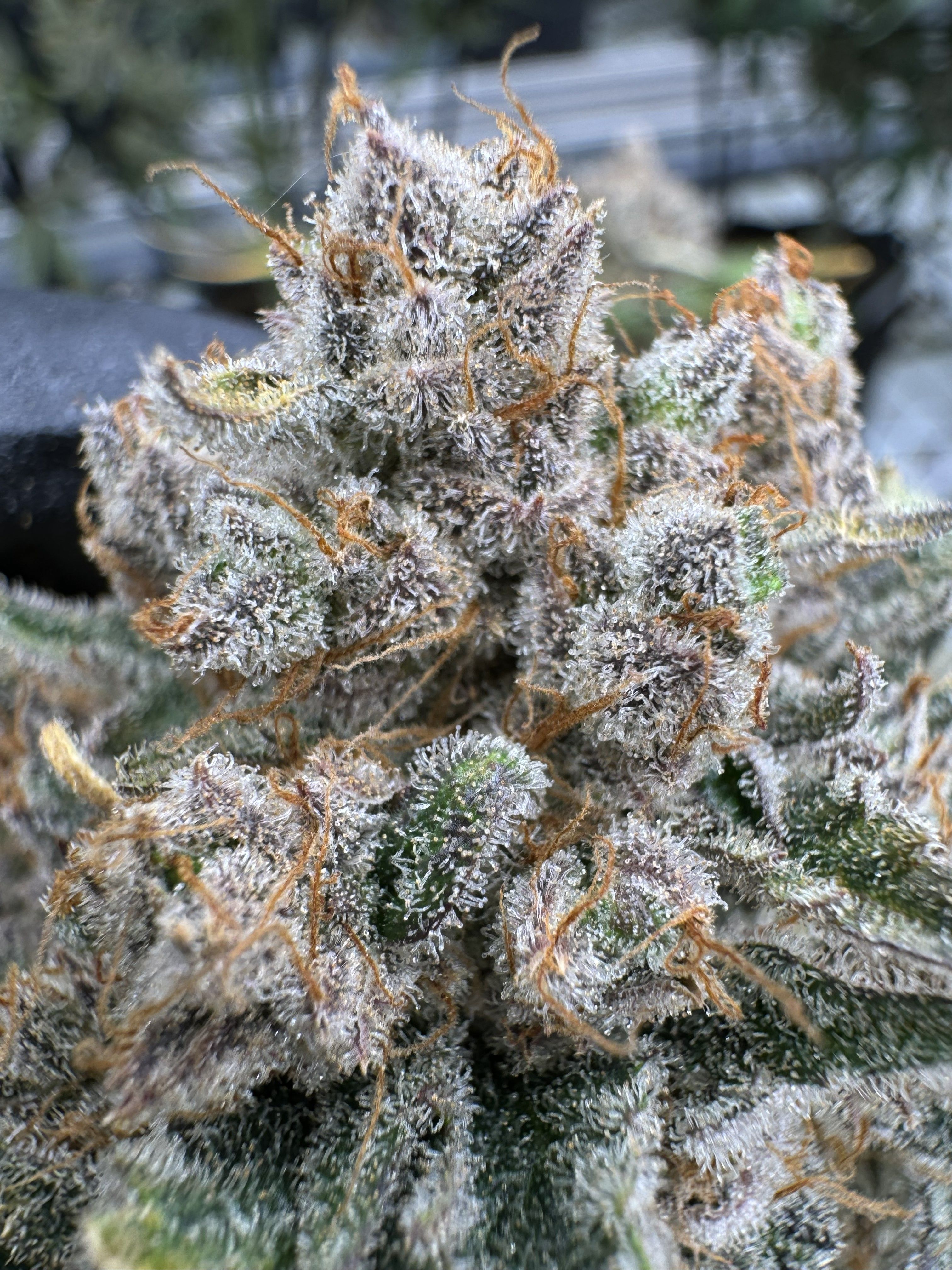
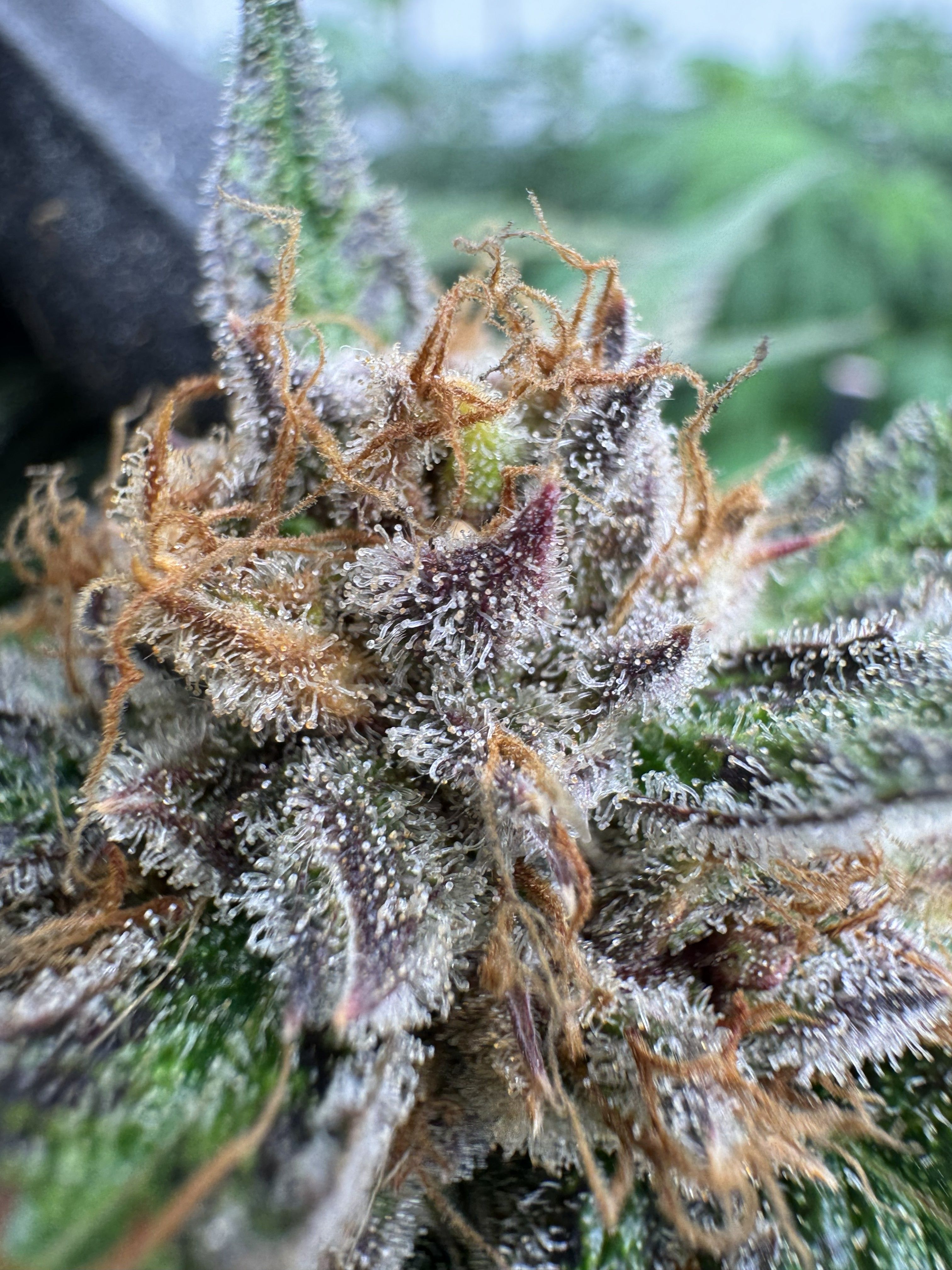
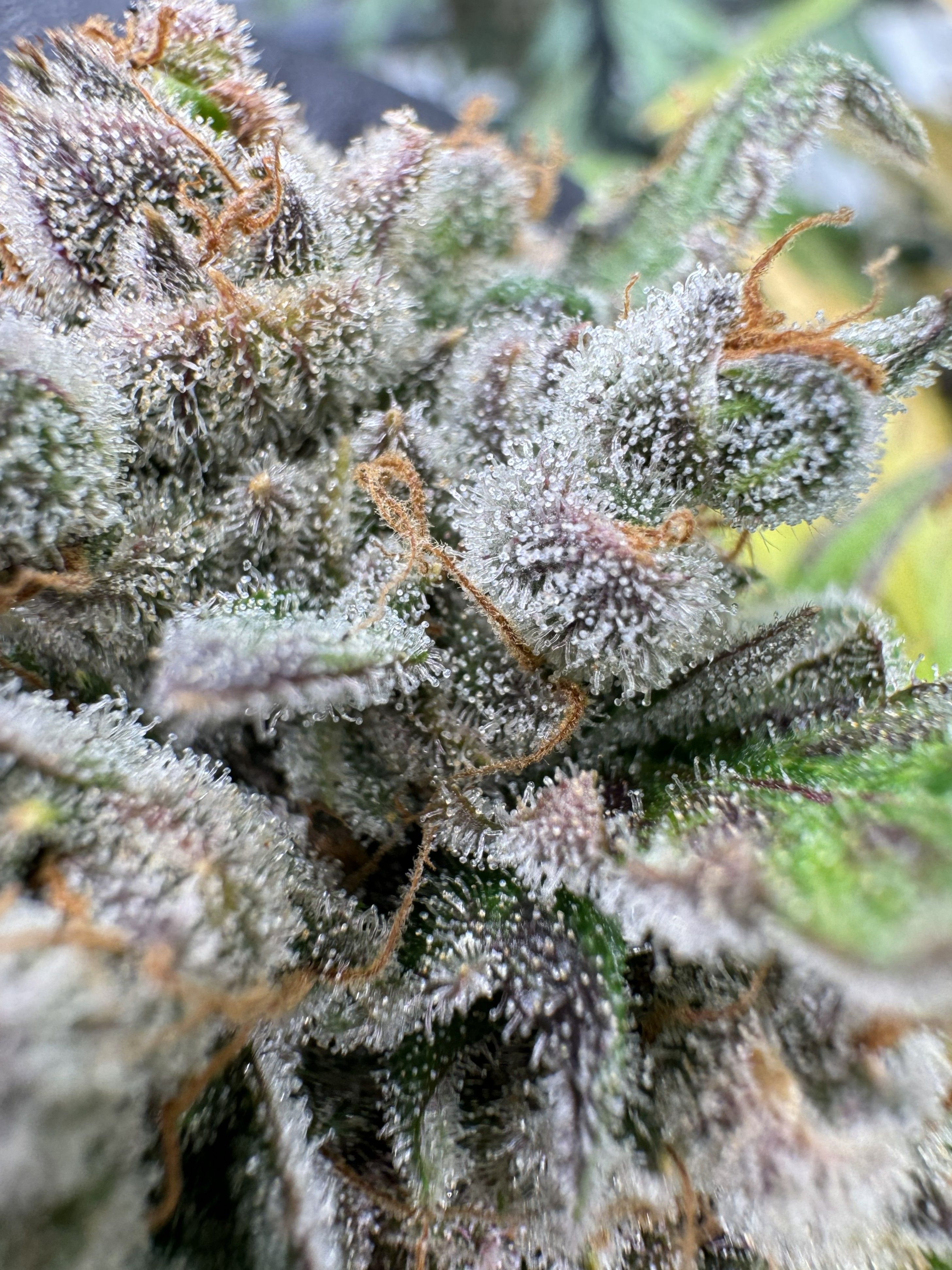
Under magnification the picture is clear: the trichomes are fully mature, with over 50% turned amber. Harvest time.
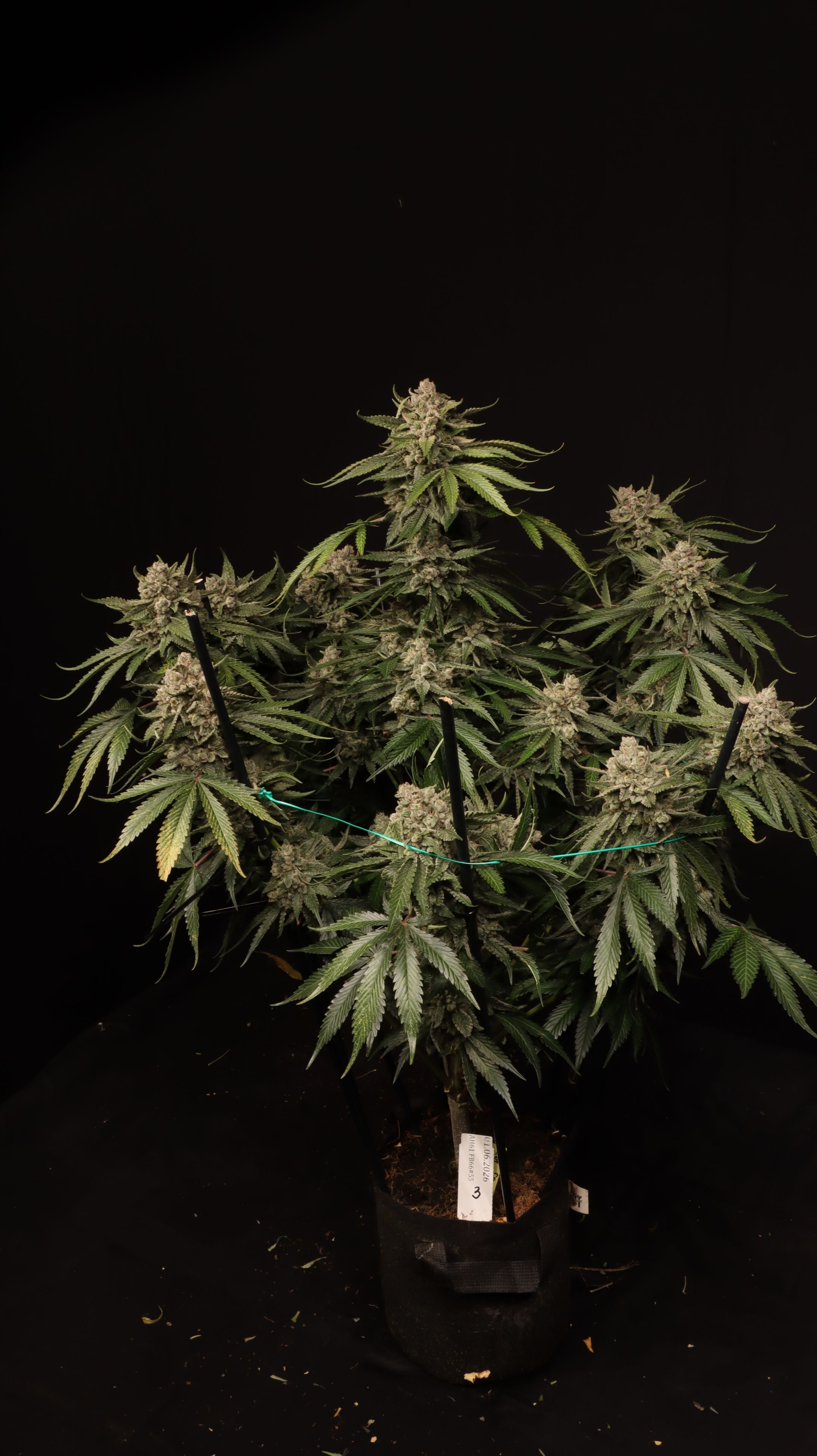
You can get the beens here - Cherry Cola RF3
See you soon in the next test cycle!
FAQ
0

Comments