



New F1 Autoflowering Line
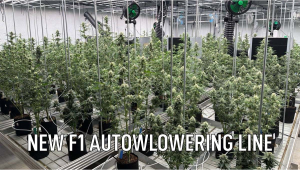
F1 Crosses New Releases
We are opening a new chapter focused on our latest F1 cross projects. While the father genetics remain undisclosed, all current new releases have been crossed with Guava Auto, Lemon Cherry Cookies Auto, and Frostbanger Auto. These three lines form the foundation of this cycle and set the direction for everything that follows.
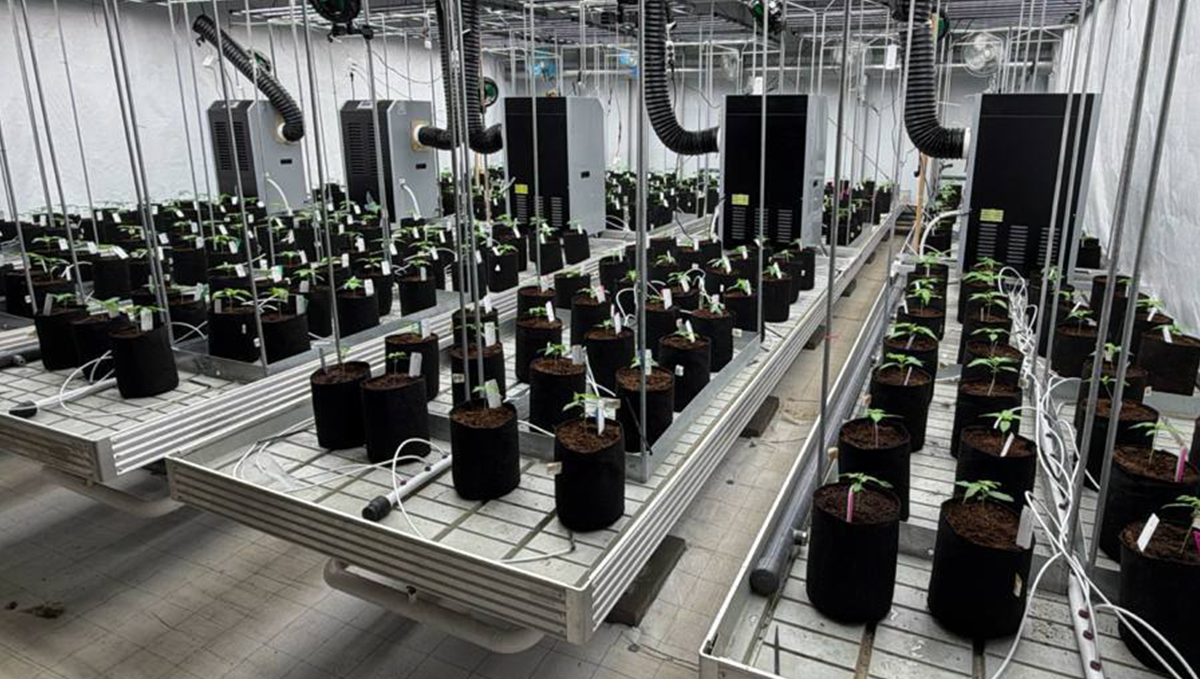
We are genuinely excited to see how these combinations will express themselves. Our goal is to present truly outstanding F1 releases, but only after they prove their value and successfully pass all stages of testing. Nothing is rushed at this stage. Each project is given the time it needs to show its true potential.
For now, we are sharing the beginning of a large autoflower cycle. This run is designed to clearly show which genetics stand out, how they perform, and which ones truly deserve a place in your garden. It is a process of comparison, observation, and honest selection.
At the moment, nine new strains are already under testing, with three more joining the cycle soon. And this is only the beginning. In about two months, we will start testing an additional sixteen new projects that are currently in production in Thailand. That, however, is a story of its own.
Stay tuned for upcoming updates. As these plants grow and develop, we will continue sharing regular progress reports and insights throughout the cycle.
Current Stage
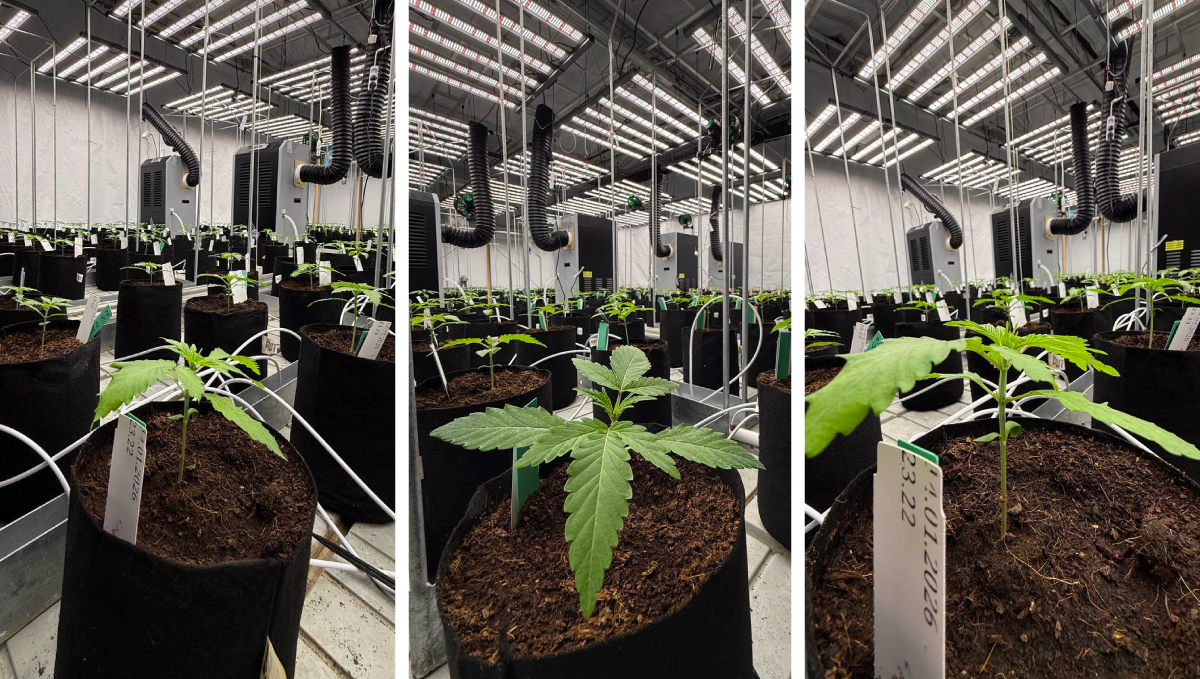
Today we are sharing a new update from our 2026 autoflower testing lineup. Over the past period, the plants have gained noticeable size and are now entering the pre-flower stage. Internodal development is accelerating, structure is becoming more defined, and the overall rhythm of growth is clearly shifting toward the next phase.
This is always a critical moment in the cycle. The transition into pre-flower sets the tone for everything that follows, and how plants behave here tells us a lot about their genetic balance.
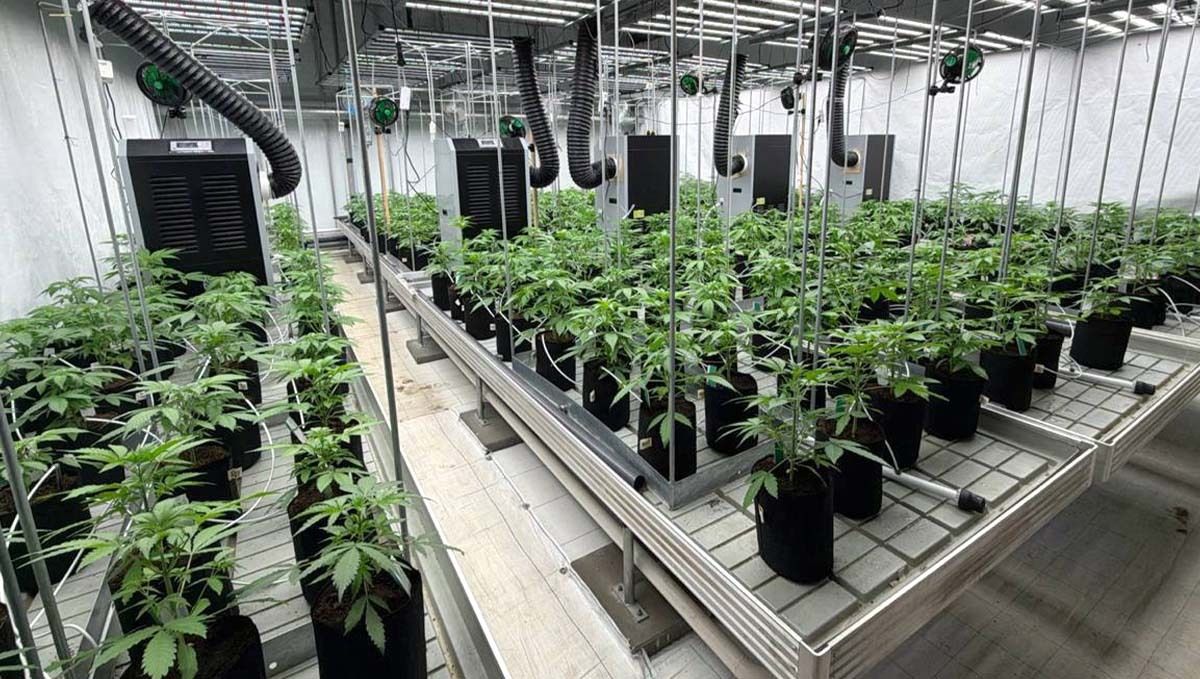
Defoliation & Maintenance
During this period, we performed one round of defoliation, removing selected fan leaves to improve light penetration and airflow. This helps maintain structural balance and prepares the plants for stronger flowering development.
At the same time, we carried out a controlled flush. We periodically rinse our plants when needed, especially if we observe early signs of salt buildup on the leaves. This can occur when plants are not irrigated to proper runoff for a certain period. In such cases, pH may rise inside the medium, nutrient uptake can become restricted, and salt accumulation increases within the coco substrate.
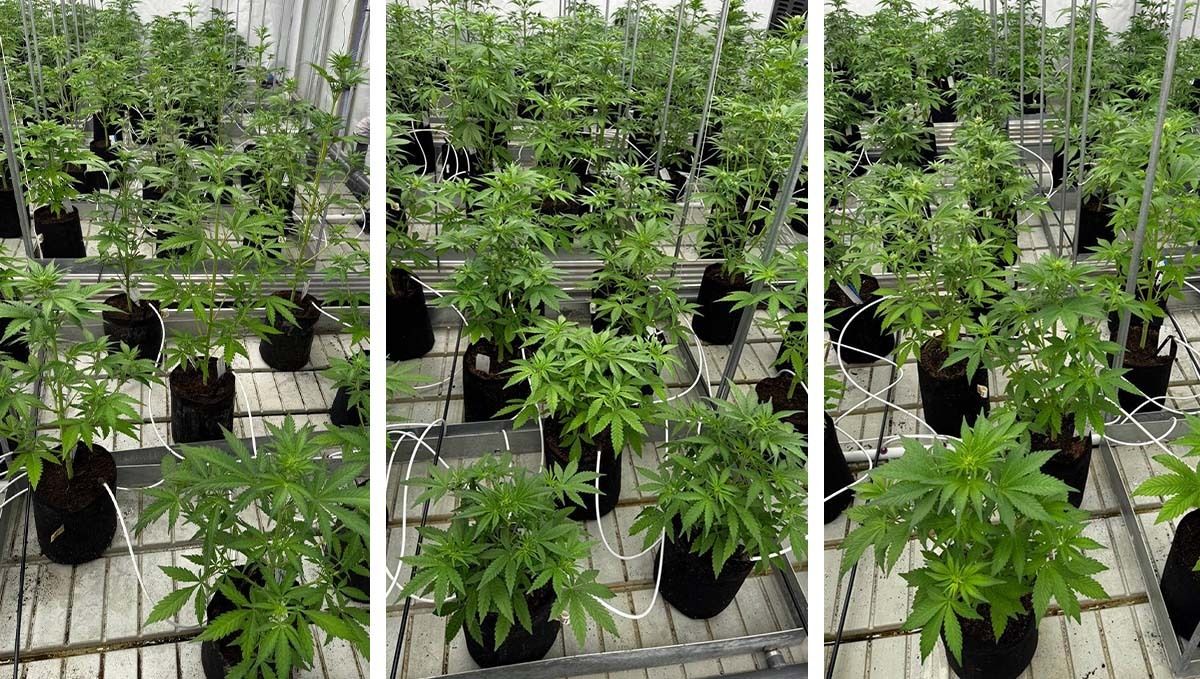
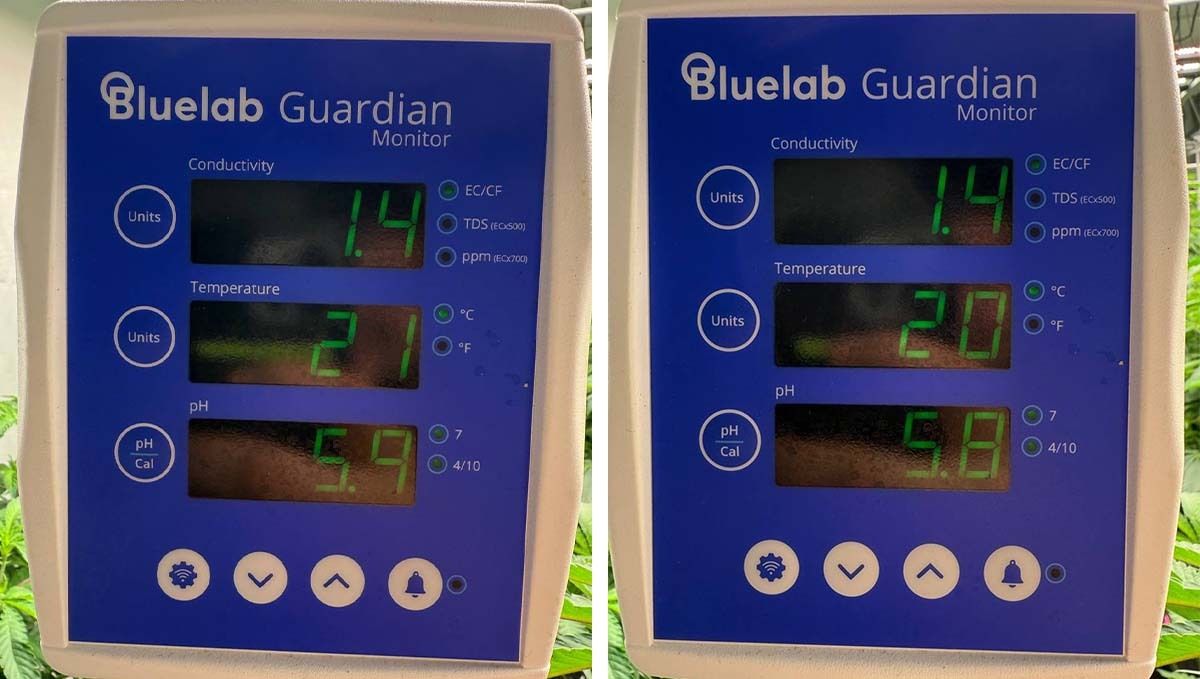
Flush Parameters
To restore balance, the coco must be properly flushed using a solution with controlled pH and stable EC. In our case, we reset the medium at pH 5.9 with an EC of 1.4 at this stage of growth. This helps stabilize the root zone and ensures nutrient uptake returns to normal before flowering intensifies.
Maintaining a clean and balanced root environment at this point is critical for consistent performance in the weeks ahead.
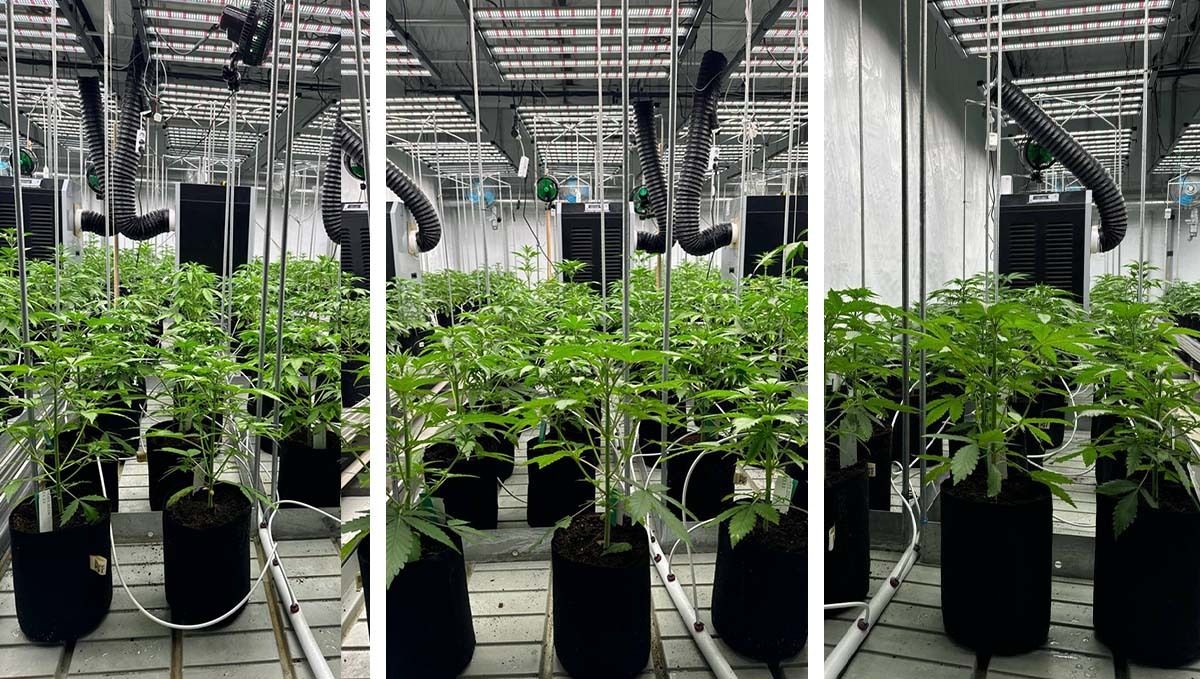
Lighting & Environment
Light intensity has also been gradually increased. Plants are currently receiving between 400 and 480 PPFD. Their posture and leaf orientation clearly show no signs of stress, indicating proper harmony with the current climate and feeding schedule.
This balance between light, nutrition, and environmental stability is exactly what we aim for before entering full flowering mode.
First 10 Days of Flowering
The first 10 days of flowering are the most critical phase for us. This is where we closely evaluate how quickly each plant transitions into bloom. At the moment, we are testing 46 different strains, all moving through this stage under the same conditions.
Speed of transition is one of our top priorities. During this initial phase, we have already eliminated 9 new strains that were slightly behind the others in entering flowering. Even small delays at this stage are enough for us to make a decision.
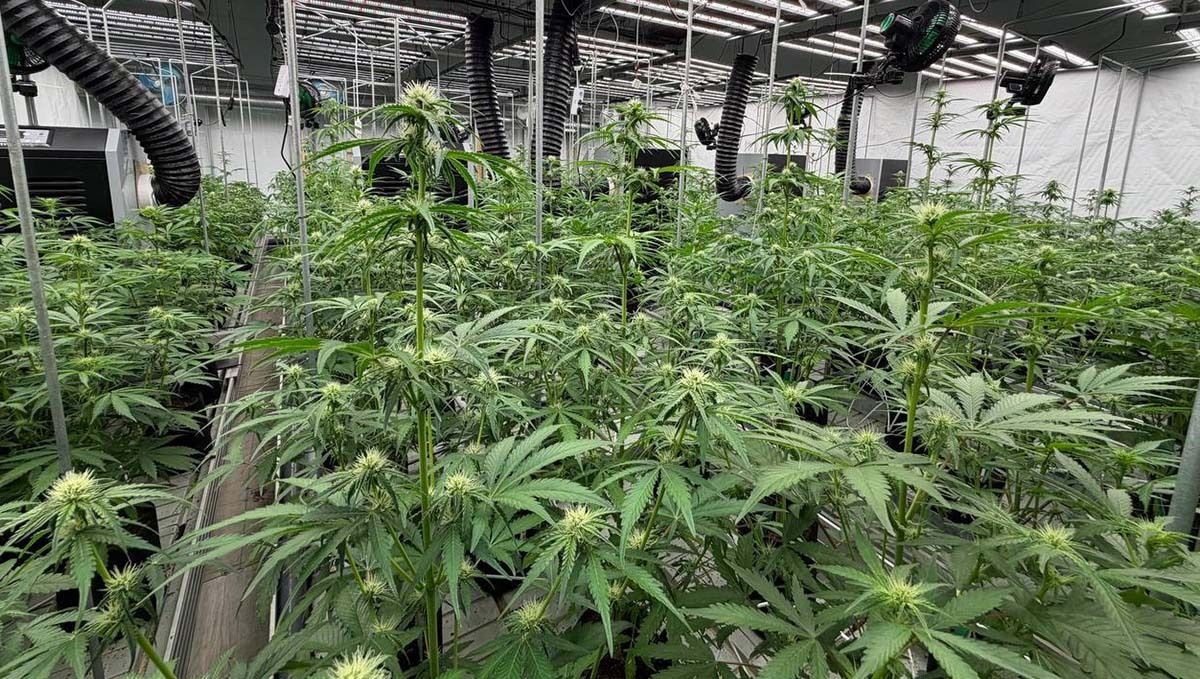
Our focus is clear. We are breeding fast-flowering and fast-developing plants. This is a core standard for our work. Even if a strain shows strong terpene potential, it will not move forward if it does not meet our requirements in flowering speed.
We do not want our customers to face issues with slow or inconsistent flowering. Reliability and predictability are just as important as expression.
At this point, 37 new F1 strains remain in the cycle. However, we fully expect that 70–80% of them will never reach release. Selection is strict. A new variety must meet a full set of characteristics, all aligned with our quality standards. Only those that match every requirement will make it to the final stage.
Looking Ahead
Overall, the plants are developing confidently and steadily. Very soon we will begin to see the first signs of bud formation. Shortly after that, the first aromas will start to emerge, revealing early terpene expression from these new 2026 genetics.
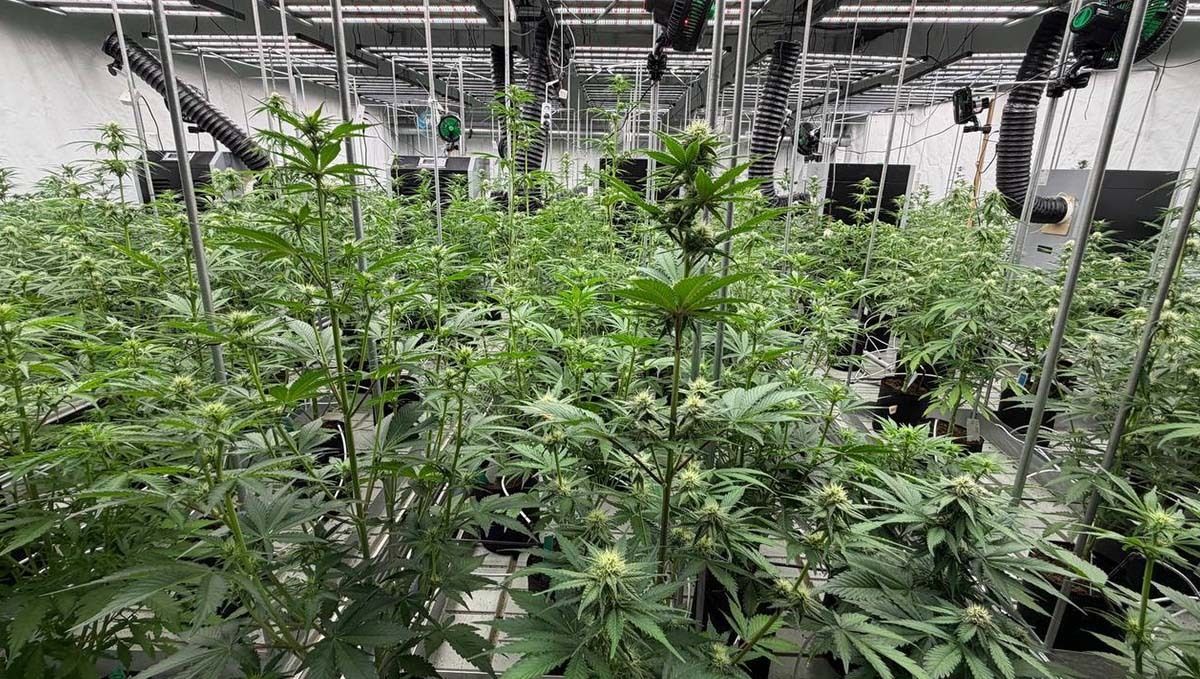
This upcoming flowering phase is always one of the most exciting periods of the cycle. It is where structure turns into production and potential begins to take shape. We are looking forward to seeing how each project expresses itself in the weeks ahead.
Development Continues
We continue working on our F1 lineup for 2026. The current testing cycle is moving forward steadily, and plants are already showing early signs of their individual expression. Structure is becoming more defined, and differences between phenotypes are starting to appear more clearly.
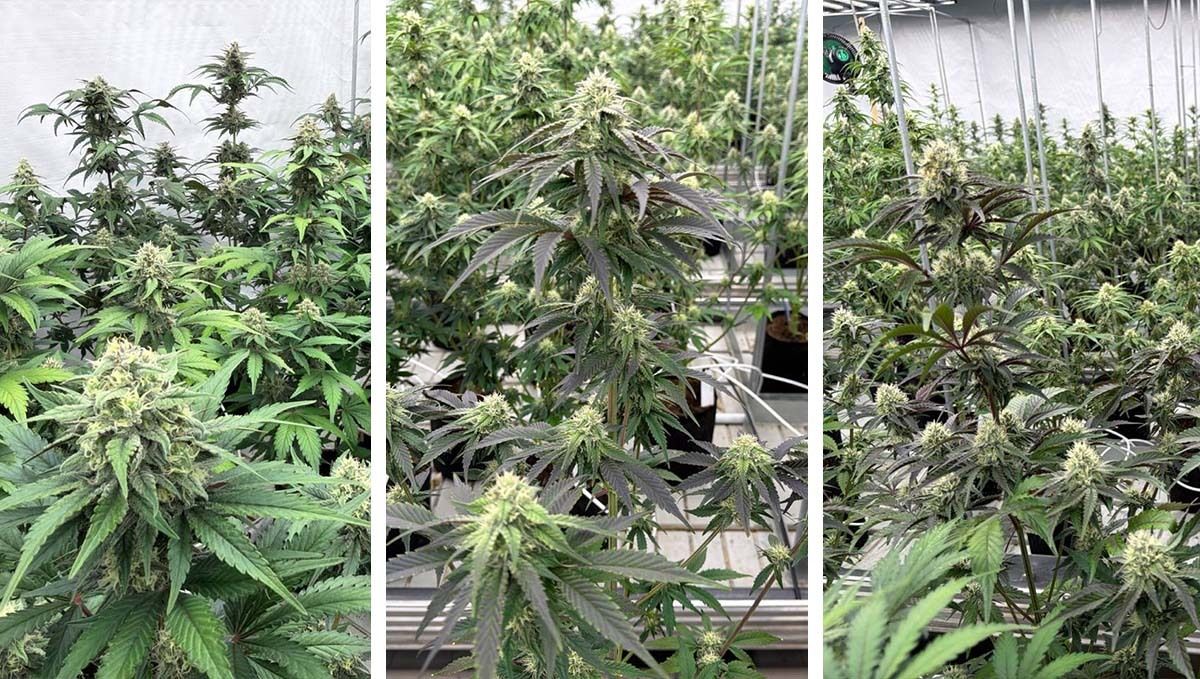
At this stage, the main focus is observation. Each plant is carefully monitored to understand how it behaves under identical conditions. Growth rhythm, leaf structure, internodal spacing, and overall plant balance are all being evaluated side by side.
What makes this phase especially important is that early signals often reflect long-term potential. Plants that show stability and confidence in their development now are the ones most likely to perform strongly later in the cycle.
What Comes Next
As the cycle progresses, we expect to see more defined traits, stronger structural differences, and the first signs of flowering expression. This is where the real identity of each cross begins to reveal itself.
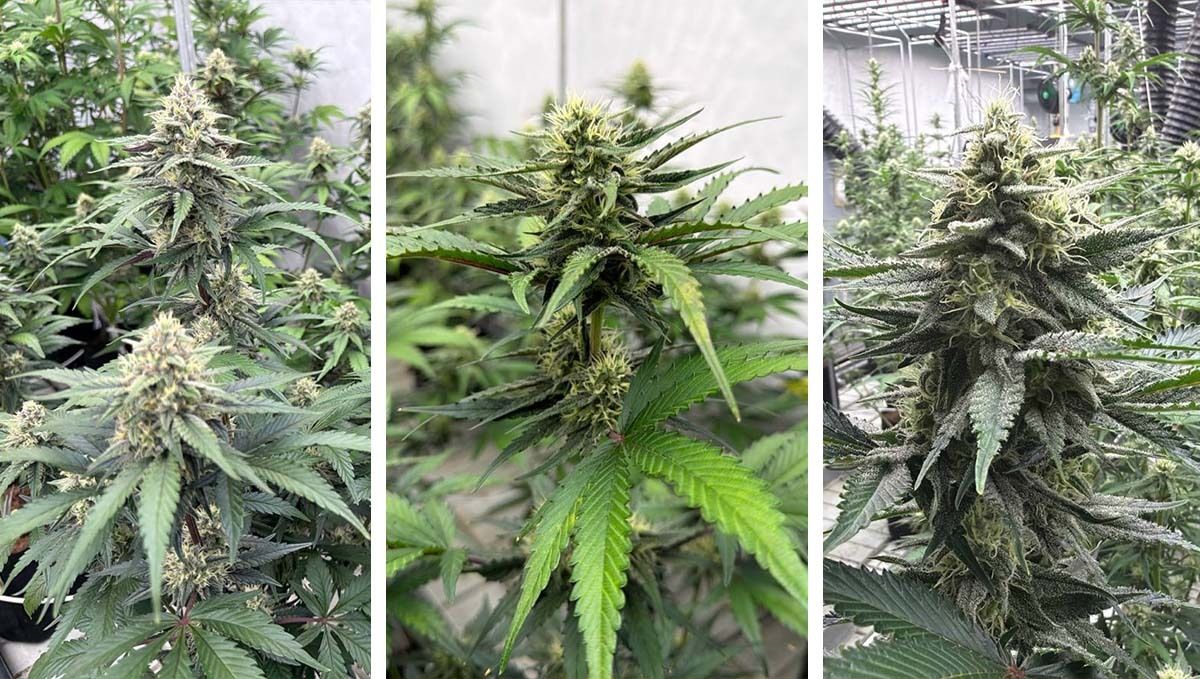
We will continue sharing updates as the plants develop. Step by step, this process will show which F1 projects are ready to move forward and which ones will be left behind.
Harvest Run Finale — Washed Roots, Loaded Tops and Terps in Full Effect
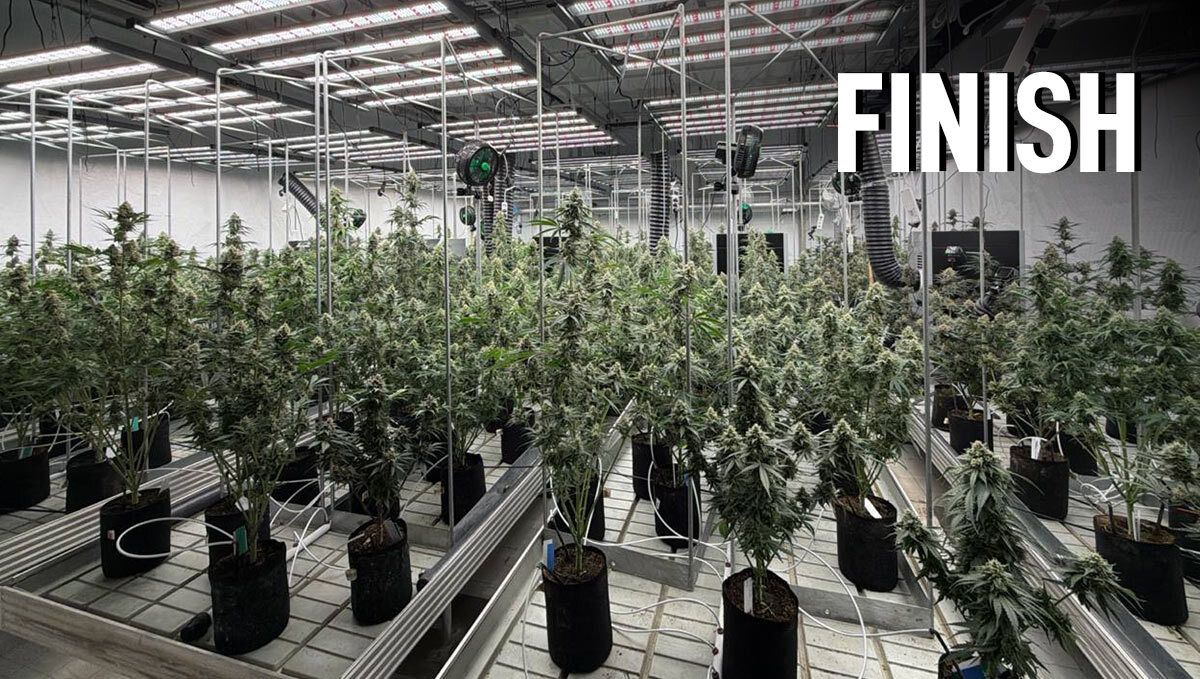
We are on the final stretch of the run, and it is time to start flushing the plants. The test never ends with how the buds look — to really understand the true flavor and terpene profile of each line, the remaining salts in the coco need to be washed out properly. Only then you can taste what the genetics actually carry, not the leftover nutrients.
The first flush is done gently: one day with plain tap water, without fertilizers, so the plants do not experience a brutal nutrient drop in a single shot. From the second flush onward, we switch to RO water with a stable pH of 6.0, keeping the solution as clean and neutral as possible while the plants finish.
Flushing continues until the input EC and the runoff EC are more or less aligned. When your meter shows around 0.2–0.3 EC in the drain, the substrate is clean enough and the plants are ready to be cut. At this point, every strain shows its own character — each one unique, pulling the best traits from its parents and expressing them in its own way.
What This Run Gave Us:
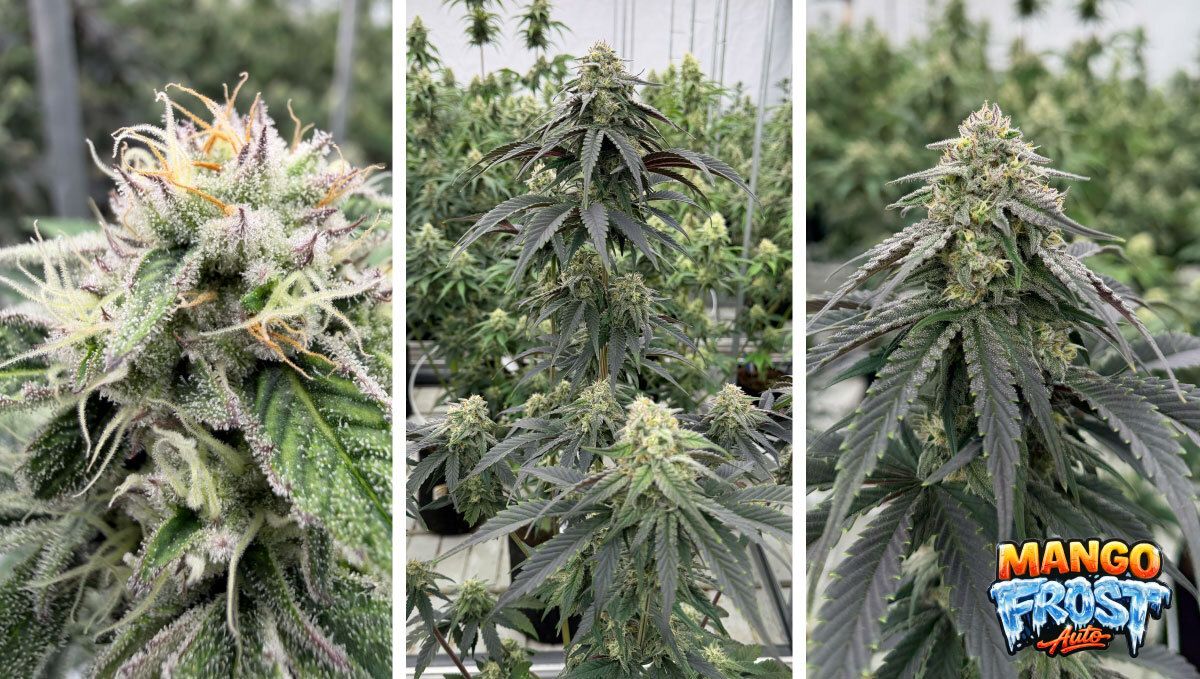
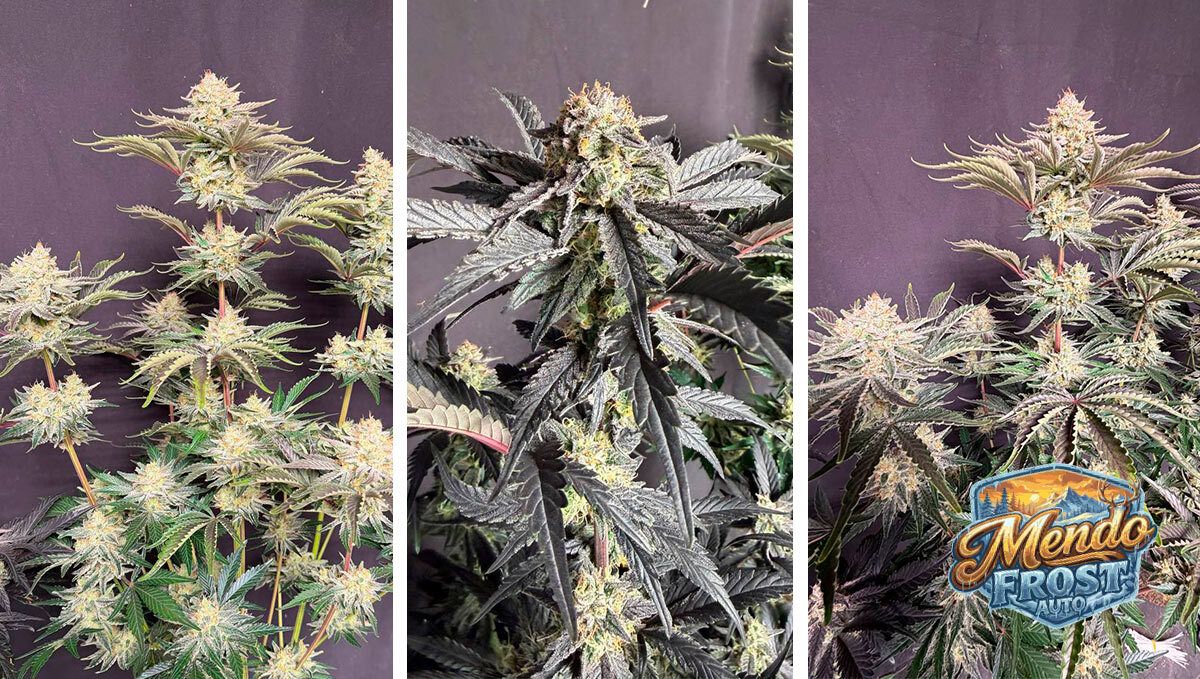
Mango Frost Auto
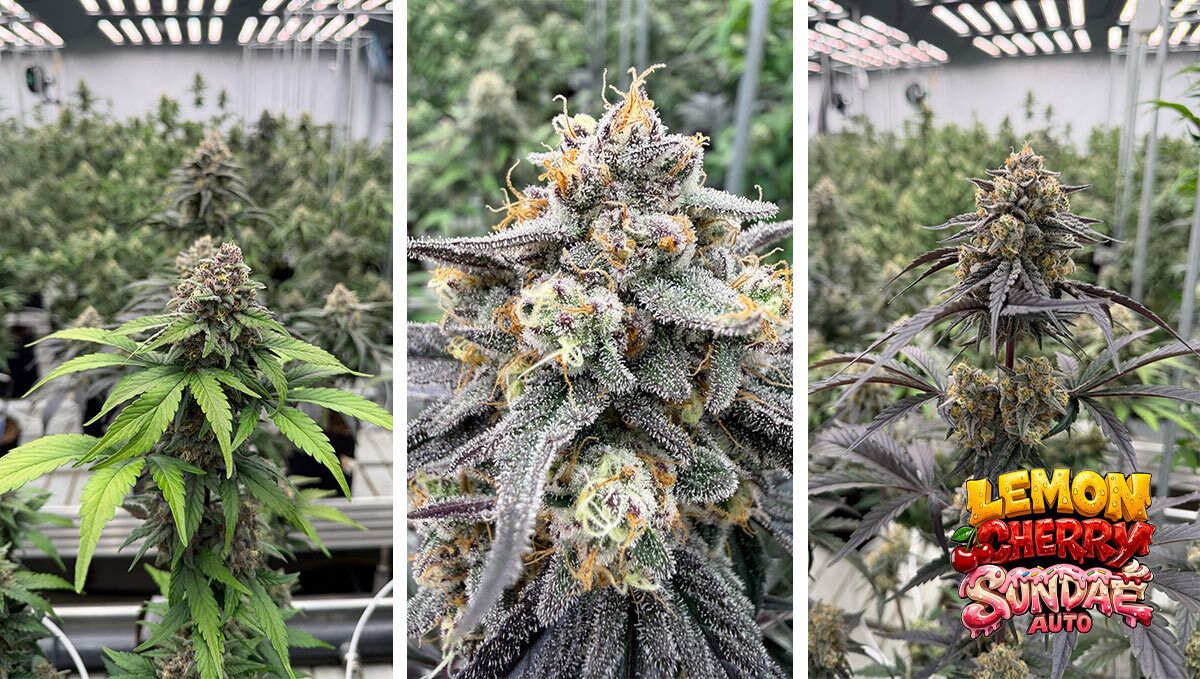
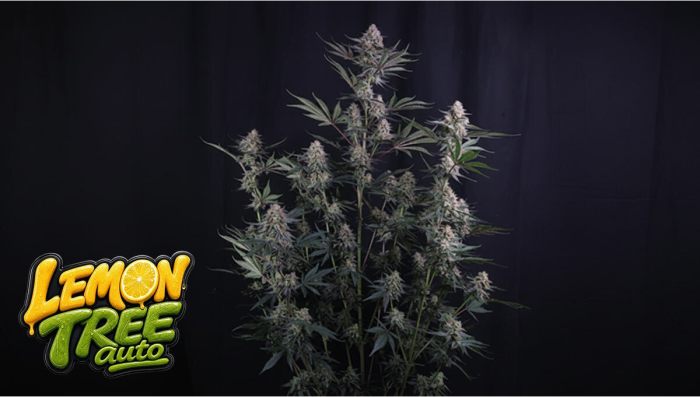
Lemon Cherry Sundae Auto
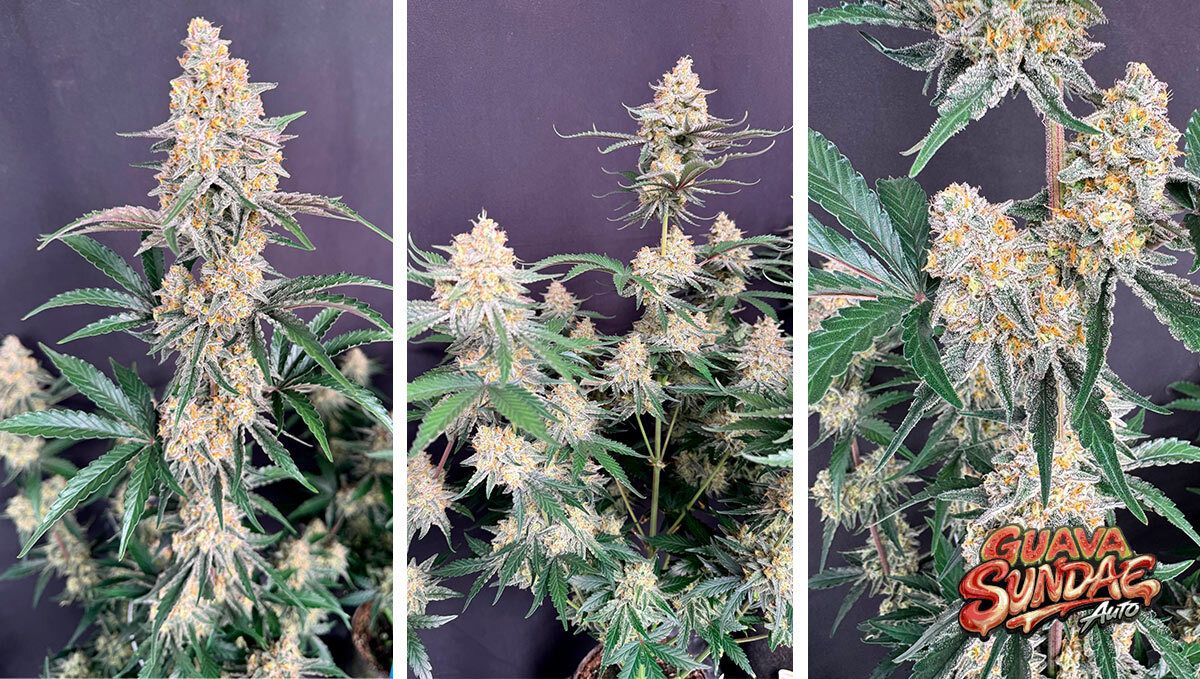
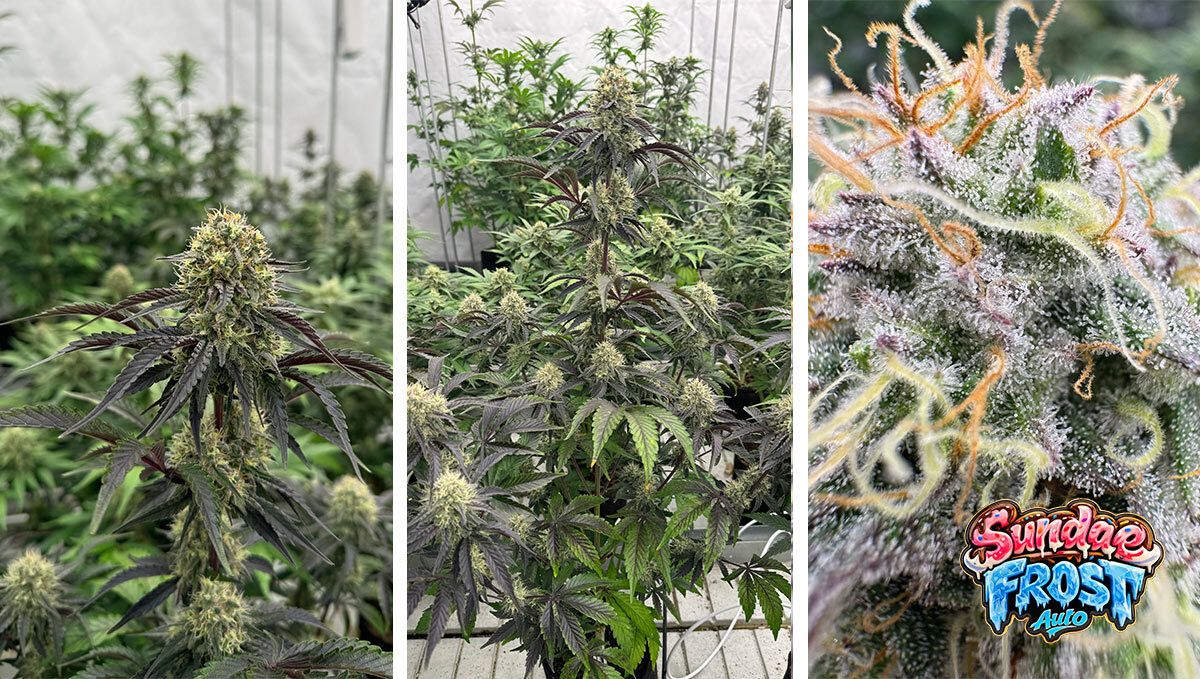
Sundae Frost Auto
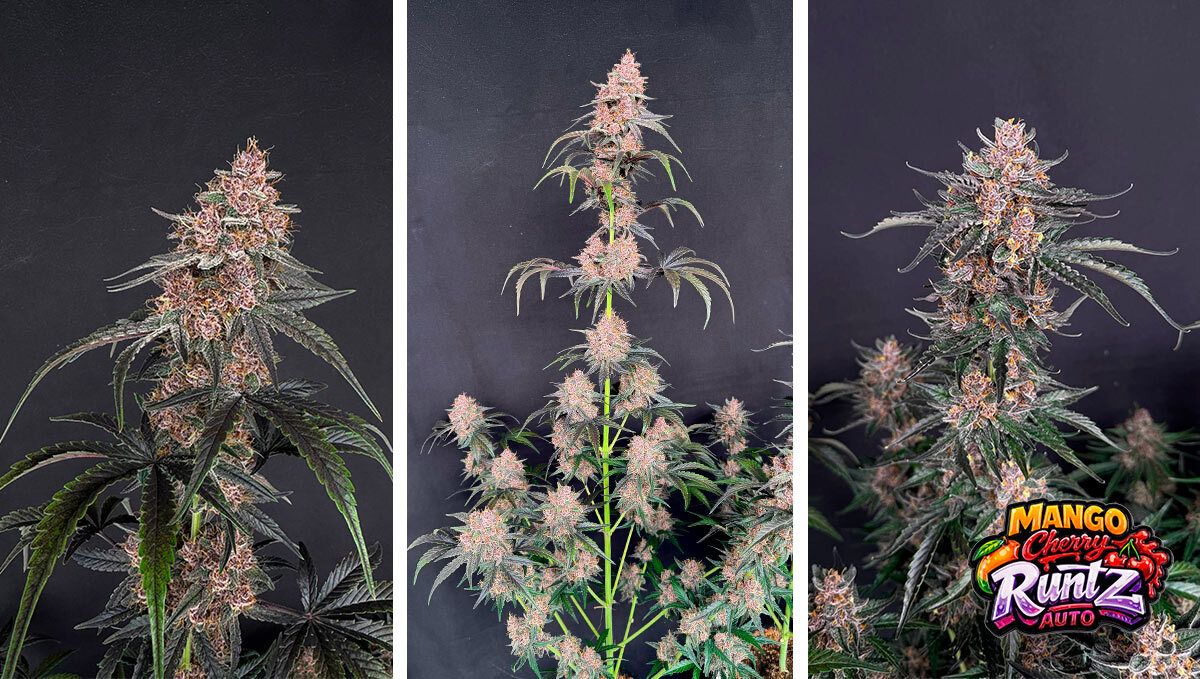
Mango Cherry Cookies Auto
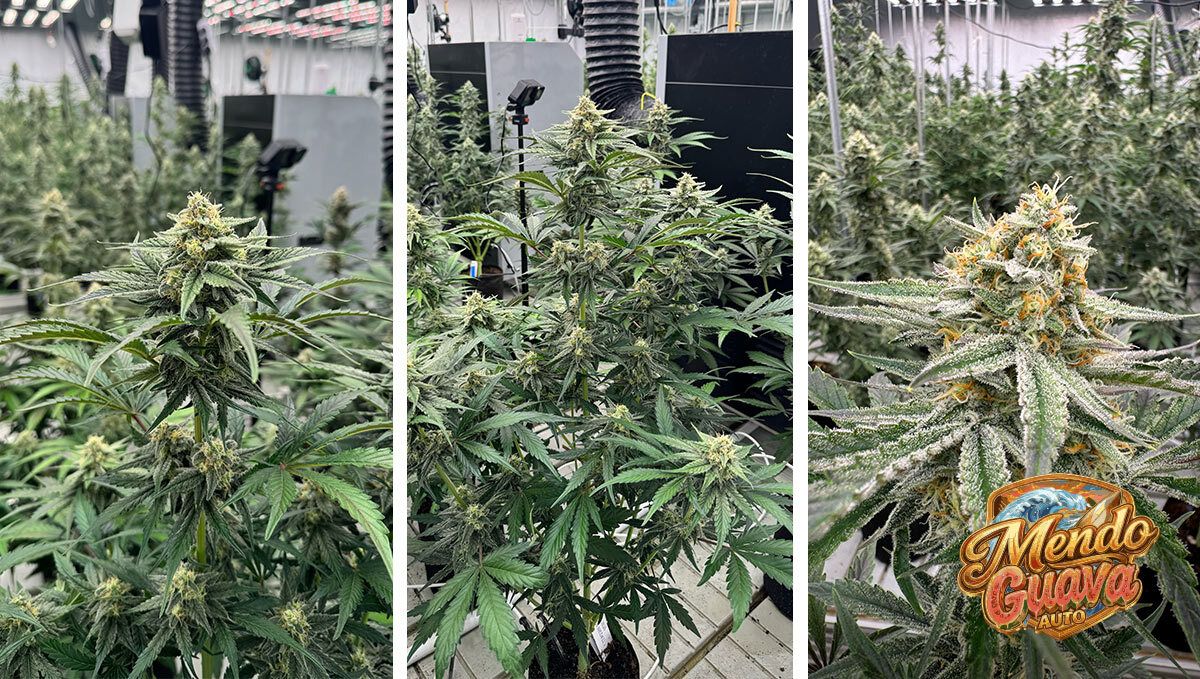
Conclusion : F1 That Sets the Bar
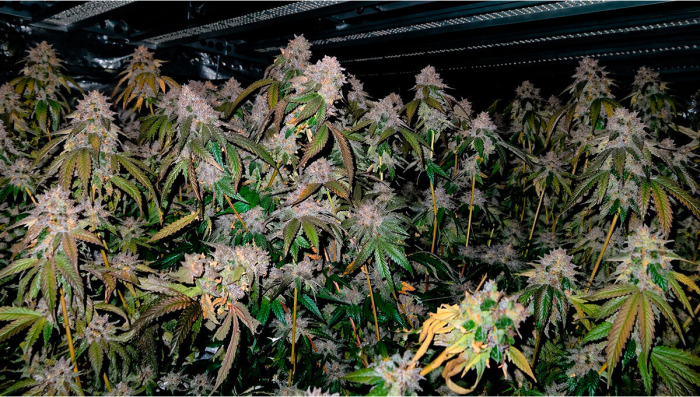
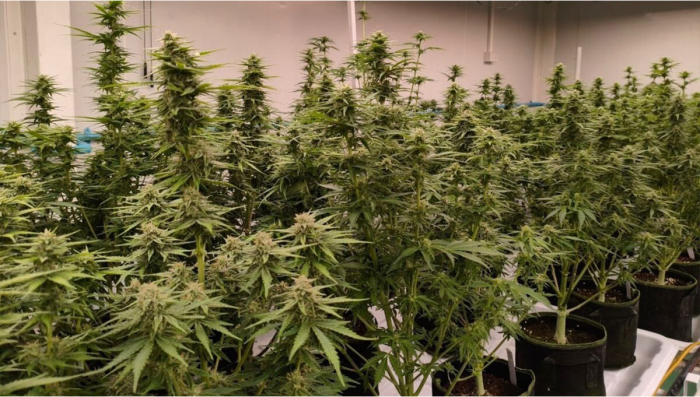
This F1 generation came out genuinely powerful and remarkably stable. The room was filled with plants that shared a strong, consistent structure and responded perfectly to light training techniques like lollipopping and shaping, making canopy management almost effortless.
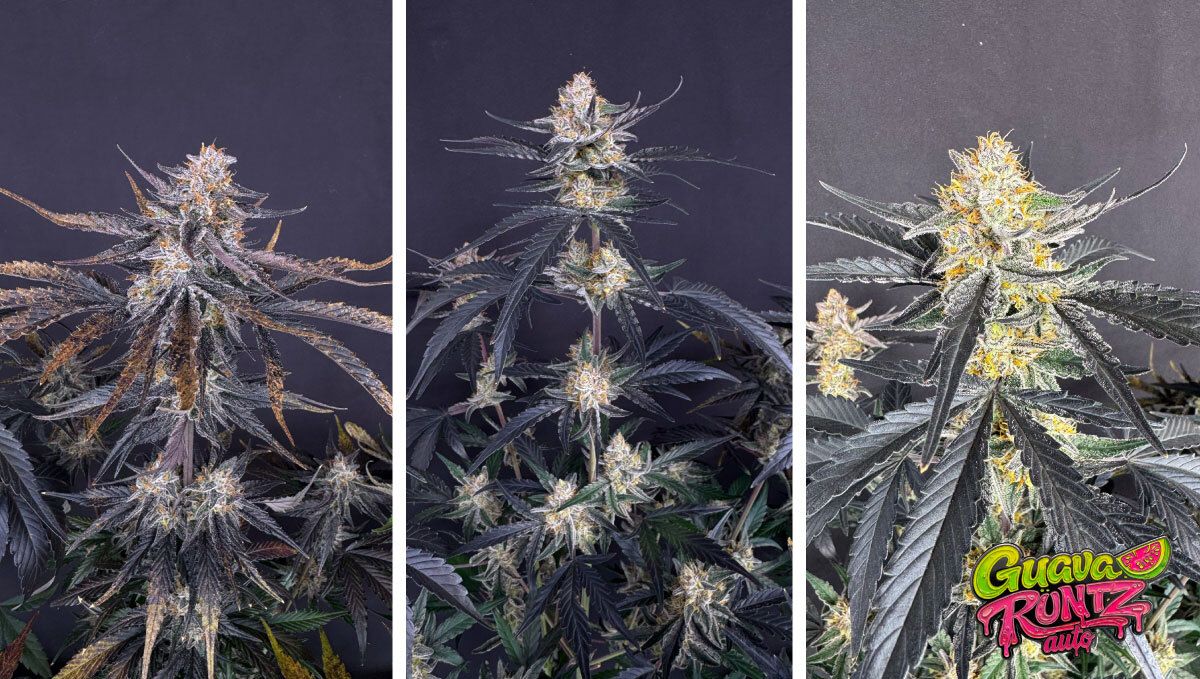
The tops finished dense, sugar‑coated and expressive, with terpene profiles that really stand out : rich, layered and memorable rather than generic. It is the kind of run where you don’t just see the genetics, you feel them in the room.
And this is only the beginning for this line. We’ll keep pushing it further, testing, selecting and refining.
Stay tuned for our next updates : the most interesting part of the breeding story is still ahead.
FAQ
While the mother lines are publicly known, the father genetics remain confidential to protect ongoing breeding projects. This allows breeders to continue developing unique combinations before they are officially introduced.
Only a small percentage of breeding projects meet all the required standards. Traits such as flowering speed, plant structure, stability, vigor, and terpene expression must all perform consistently before a new cultivar is approved.
F1 hybrids combine two carefully selected parental lines to maximize uniformity, vigor, and consistency. They often display strong hybrid vigor, making them highly reliable during cultivation.
Fast and consistent flowering helps ensure predictable cultivation cycles and reliable performance across different growing environments. Even otherwise promising plants may be removed if they fail to meet strict flowering standards.
Testing every plant in the same environment allows breeders to compare genetics fairly. This ensures that differences in performance come from the plants themselves rather than environmental variables.
Healthy roots are essential for stable plant development. Maintaining proper pH, EC, and substrate conditions allows each genotype to express its full genetic potential without nutritional limitations.
Flushing removes excess mineral salts from the growing medium, allowing breeders to evaluate the natural terpene profile and flavor of each genetic line without interference from residual nutrients.
Each plant is evaluated throughout the entire life cycle, including growth rate, structure, flowering behavior, bud formation, resin production, aroma, and overall consistency. Only the best-performing individuals continue in the breeding program.
A single successful grow is not enough to prove genetic stability. Repeated cultivation trials help confirm that a new variety consistently delivers the same performance under different conditions and across multiple generations.
No. Most experimental crosses are expected to remain internal breeding material. Only the projects that consistently meet the highest quality standards will eventually become official releases.
Comments